37% Match
Sansho the Bailiff(1954)
Movie8.1/10
In medieval Japan, a woman and her children journey to find the family's patriarch, who was exiled years earlier.
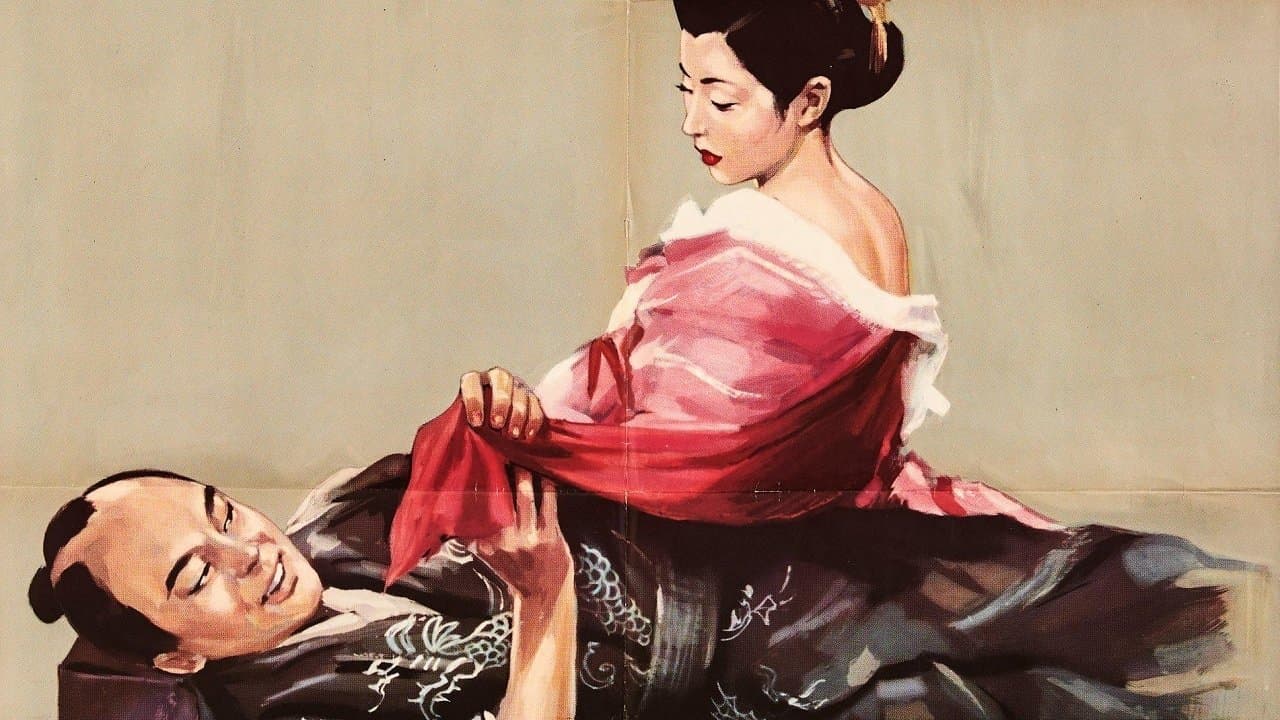
In 17th century Edo Period Japan, a noblewoman's banishment for her love affair with a lowly page signals the beginning of her inexorable fall.

Kinuyo Tanaka
Oharu
Tsukie Matsuura
Tomo
Ichirō Sugai
Shinzaemon
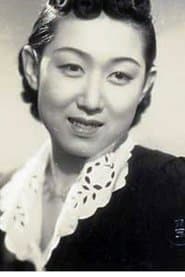
Hisako Yamane
Lady Matsudaira
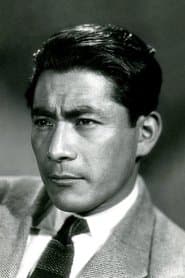
Toshirō Mifune
Katsunosuke
Jūkichi Uno
Yakichi Ogiya
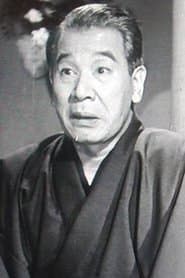
Eitarō Shindō
Kahe Sasaya
Akira Ōizumi
Fumikichi
Masao Shimizu
Kikuoji
Daisuke Katō
Tasaburo Hishiya
The Life of Oharu is a drama film released in 1952 exploring themes of prostitute, based on novel or book, despair, courtesan, banishment, concubine. Directed by Kenji Mizoguchi, it stars Kinuyo Tanaka, Tsukie Matsuura, Ichirō Sugai. In 17th century Edo Period Japan, a noblewoman's banishment for her love affair with a lowly page signals the beginning of her inexorable fall.
Discover titles like The Life of Oharu — ranked by similarity and community votes
We found 15 movies similar to The Life of Oharu
If you enjoyed The Life of Oharu, you'll love these handpicked recommendations. Each title below shares similar themes, tone, and storytelling style. Our algorithm analyzes genres, keywords, director filmography, and cast connections to find the closest matches. Whether you're looking for the same emotional depth, narrative structure, or visual style, these picks are curated to deliver the best viewing experience for fans of The Life of Oharu.
In medieval Japan, a woman and her children journey to find the family's patriarch, who was exiled years earlier.
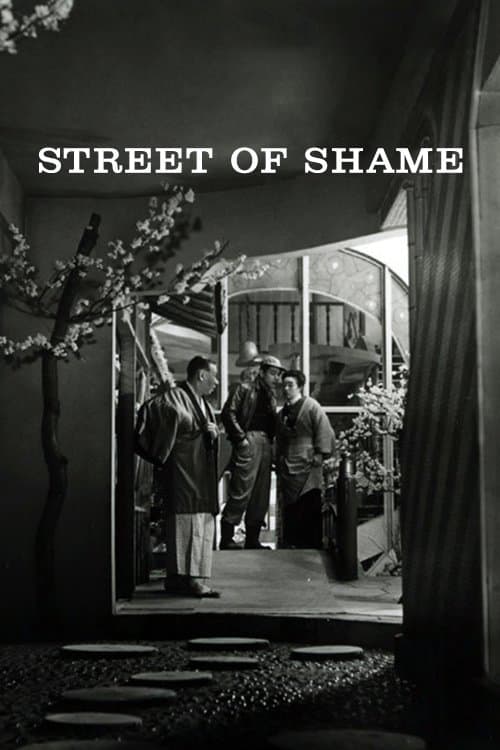
The lives of five sex workers employed at a Japanese brothel while the nation is debating the passage of an anti-prostitution law.
After living a traumatic experience in Tokyo, Yukiko returns to Kyoto, where Hatsuko, her mother, runs a brothel, which upsets Yukiko very much.
When the wife of a 17th century Kyoto scroll-maker is falsely accused of having an affair with his best employee, the pair flee the city and find themselves falling for one another.
A woman, Tome, is born to a lower class family in Japan in 1918. The title refers to an insect, repeating its mistakes, as in an infinite circle. Imamura, with this metaphor, introduces the life of Tome, who keeps trying to change her poor life.
In eighth century China, the Emperor is grieving over the death of his wife. The Yang family wants to provide the Emperor with a consort so that they may consolidate their influence over the court. General An Lushan finds a distant relative working in their kitchen whom they groom to present to the Emperor. The Emperor falls in love with her and she becomes the Princess Yang Kwei-fei. The Yangs are then appointed important ministers, though An Lushan is not given the court position he covets. The ministers misuse their power so much that there is a popular revolt against the Yangs, fueled by An Lushan.

On a Tokyo dump’s shantytown edge, interwoven vignettes follow residents scraping by: a boy who “drives” an imaginary trolley, a homeless father and son designing a dream house, a young woman brutalized at home, drunks, schemers, and saints of small kindnesses. Kurosawa crafts a ragged mosaic of hardship, fantasy, and flickers of grace that keep people moving forward.

Returning to their lord's castle, samurai warriors Washizu and Miki are waylaid by a spirit who predicts their futures. When the first part of the spirit's prophecy comes true, Washizu's scheming wife, Asaji, presses him to speed up the rest of the spirit's prophecy by murdering his lord and usurping his place. Director Akira Kurosawa's resetting of William Shakespeare's "Macbeth" in feudal Japan is one of his most acclaimed films.

Ryo Morinaka is a university student and works part-time at a bar. He is bored with his daily life and exists in a state of torpor. One day, his friend Shinya Tajima brings the owner of a host bar over to the place where Ryo Morinaka works. Shizuka Mido is the owner of the host bar. Soon, Ryo Morinaka begins to work for Shizuka Mido at the members only host bar. He feels embarrassment initially, but he fulfills the desires of women and develops a sense of purpose.
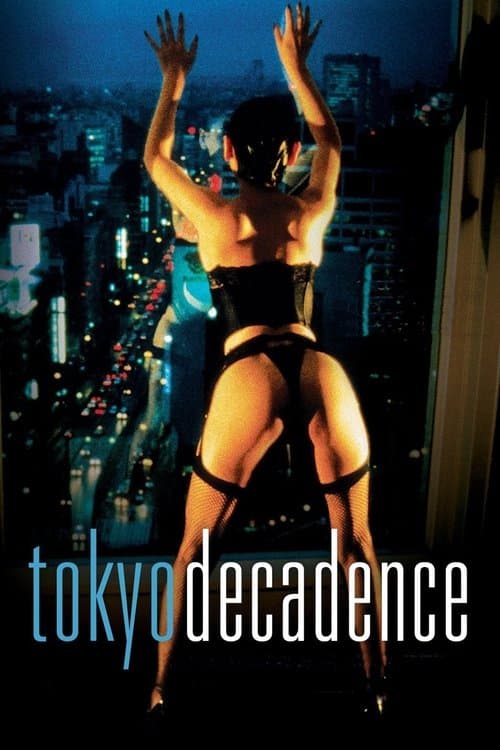
A submissive hooker goes about her trade, suffering abuse at the hands of Japanese salarymen and Yakuza types. She's unhappy about her work, and is apparently trying to find some sort of appeasement for the fact that her lover has married.
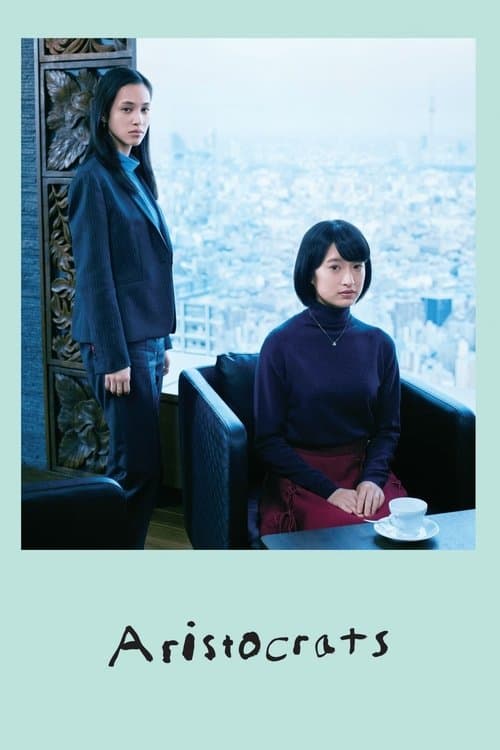
Hanako Haibara was born and raised in the city of Tokyo. After she gets dumped by her boyfriend, while in her late 20's, she goes on blind dates to find a man to marry. Miki Tokioka was born in a province. She studied very hard and entered a prestigious university in Tokyo. She experienced difficult financial times, but she now works at an IT company. Due to a man, Hanako Haibara and Miki Tokioka meet each other.

A married Japanese forester during WWII is sent to Indochina to manage forests. He meets a young Japanese typist and promises to leave his wife. He doesn't and after the war, she turns up and the affair resumes.
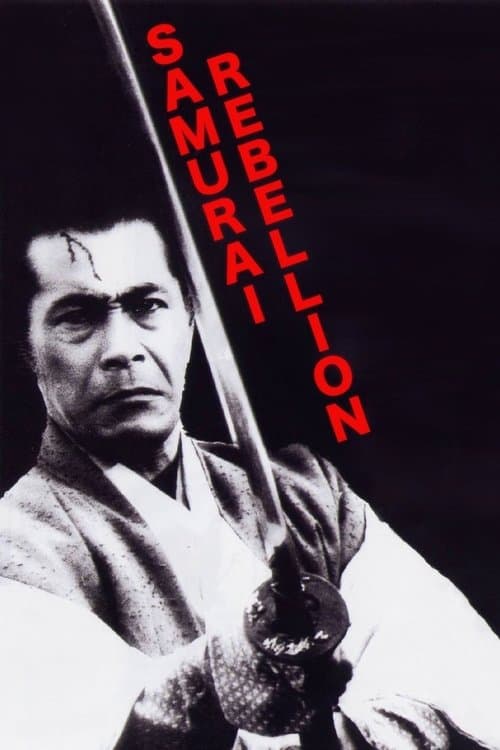
The mother of a feudal lord's only heir is kidnapped by the lord. Her husband and his samurai father must decide whether to accept the unjust decision, or risk death to rescue her.
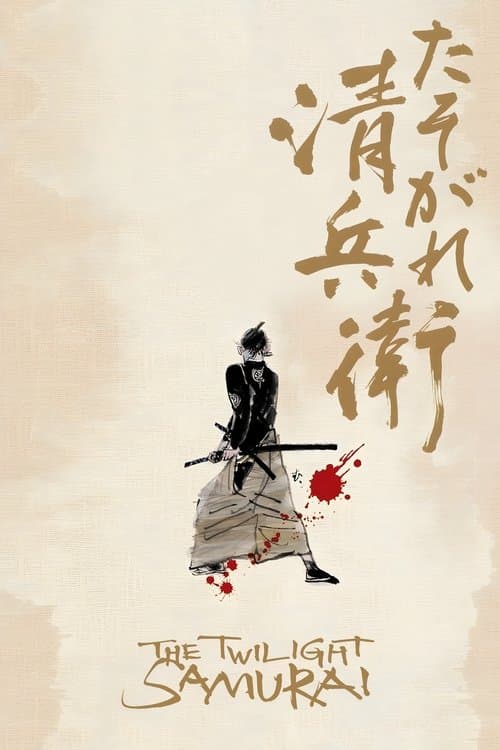
Seibei Iguchi leads a difficult life as a low ranking samurai at the turn of the nineteenth century. A widower with a meager income, Seibei struggles to take care of his two daughters and senile mother. New prospects seem to open up when the beautiful Tomoe, a childhood friend, comes back into he and his daughters' life, but as the Japanese feudal system unravels, Seibei is still bound by the code of honor of the samurai and by his own sense of social precedence. How can he find a way to do what is best for those he loves?
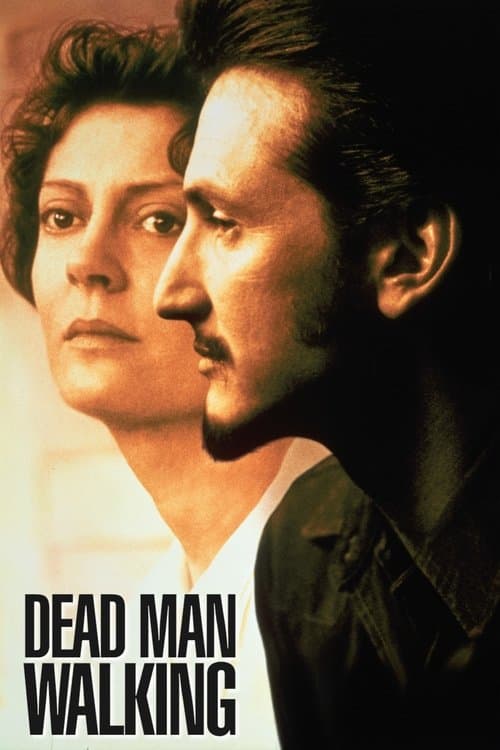
A death row inmate turns for spiritual guidance to a local nun in the days leading up to his scheduled execution for the murders of a young couple.