43% Match
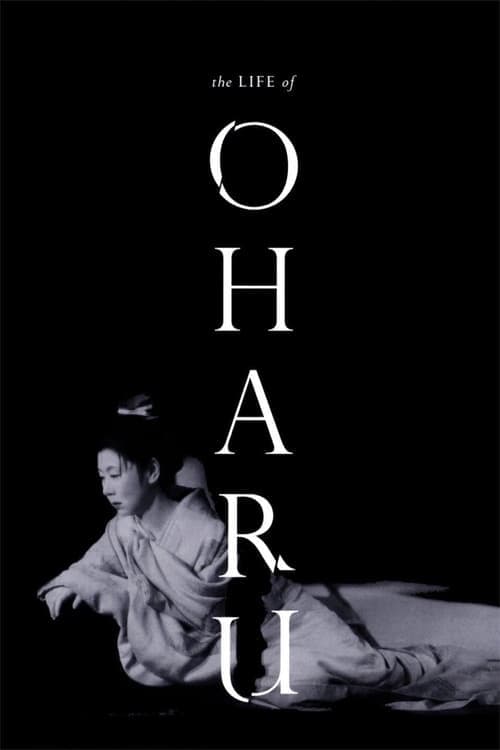
The Life of Oharu(1952)
Movie7.7/10
In 17th century Edo Period Japan, a noblewoman's banishment for her love affair with a lowly page signals the beginning of her inexorable fall.
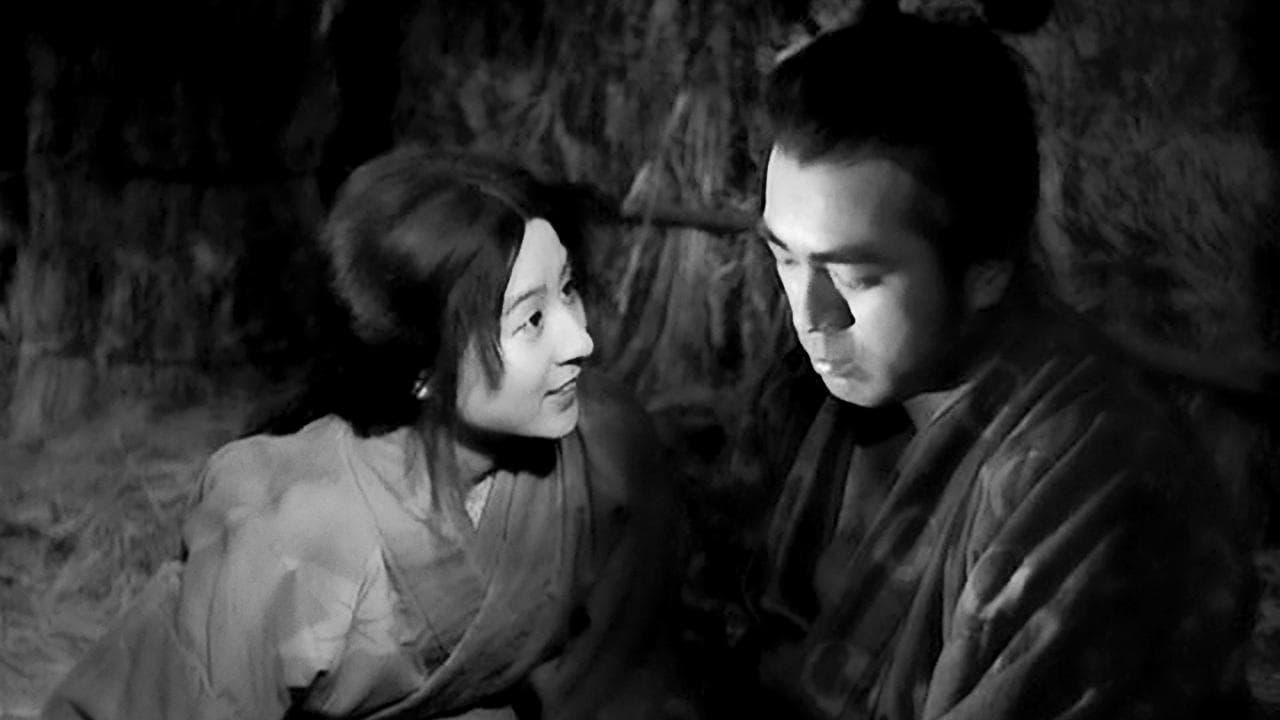
“Without mercy, man is like a beast.”
In medieval Japan, a woman and her children journey to find the family's patriarch, who was exiled years earlier.

Kinuyo Tanaka
Tamaki
Yoshiaki Hanayagi
Zushiô
Kyōko Kagawa
Anju
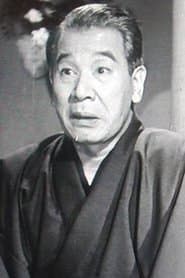
Eitarō Shindō
Sanshô dayû
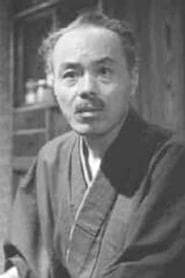
Ichirō Sugai
Minister of Justice
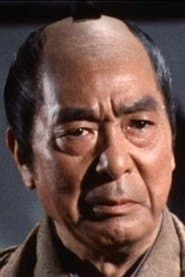
Bontarō Miake
Kichiji
Yōko Kozono
Kohagi

Chieko Naniwa
Ubatake
Kikue Mōri
Priestess
Ken Mitsuda
Prime Minister Fujiwara
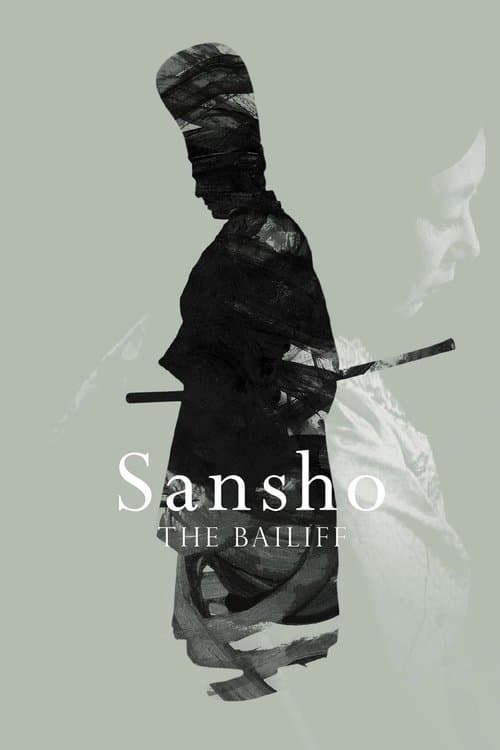
Sansho the Bailiff is a drama film released in 1954 exploring themes of governor, japan, courtesan, exile, banishment, prostitution. Directed by Kenji Mizoguchi, it stars Kinuyo Tanaka, Yoshiaki Hanayagi, Kyōko Kagawa. In medieval Japan, a woman and her children journey to find the family's patriarch, who was exiled years earlier.
Discover titles like Sansho the Bailiff — ranked by similarity and community votes
We found 15 movies similar to Sansho the Bailiff
If you enjoyed Sansho the Bailiff, you'll love these handpicked recommendations. Each title below shares similar themes, tone, and storytelling style. Our algorithm analyzes genres, keywords, director filmography, and cast connections to find the closest matches. Whether you're looking for the same emotional depth, narrative structure, or visual style, these picks are curated to deliver the best viewing experience for fans of Sansho the Bailiff.
In 17th century Edo Period Japan, a noblewoman's banishment for her love affair with a lowly page signals the beginning of her inexorable fall.
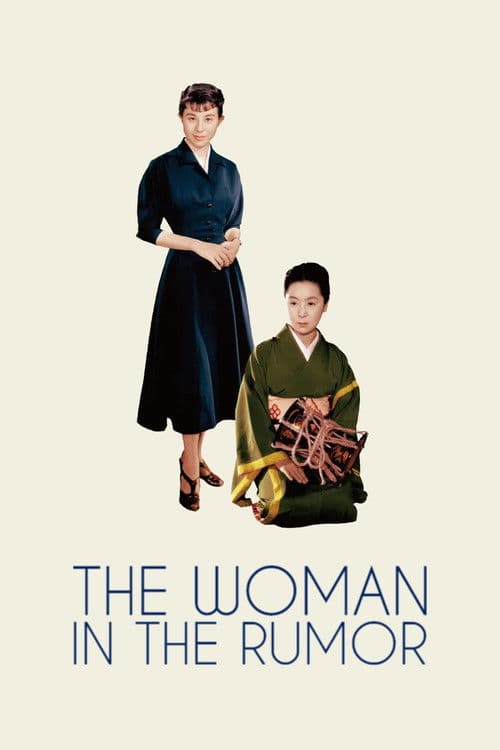
After living a traumatic experience in Tokyo, Yukiko returns to Kyoto, where Hatsuko, her mother, runs a brothel, which upsets Yukiko very much.

When the wife of a 17th century Kyoto scroll-maker is falsely accused of having an affair with his best employee, the pair flee the city and find themselves falling for one another.
The lives of five sex workers employed at a Japanese brothel while the nation is debating the passage of an anti-prostitution law.
In 1701, Lord Takuminokami Asano has a feud with Lord Kira and he tries to kill Kira in the corridors of the Shogun's palace. The Shogun sentences Lord Asano to commit suppuku and deprives the palace and lands from his clan, but does not punish Lord Kira. Lord Asano's vassals leave the land and his samurais become ronin and want to seek revenge against the dishonor of their Lord. But their leader Kuranosuke Oishi asks the Shogun to restore the Asano clan with his brother Daigaku Asano. One year later, the Shogun refuses his request and Oishi and forty-six ronin revenge their Lord.
A woman, Tome, is born to a lower class family in Japan in 1918. The title refers to an insect, repeating its mistakes, as in an infinite circle. Imamura, with this metaphor, introduces the life of Tome, who keeps trying to change her poor life.

Yusuke Kafuku, a stage actor and director, still unable, after two years, to cope with the loss of his beloved wife, accepts to direct Uncle Vanya at a theater festival in Hiroshima. There he meets Misaki, an introverted young woman, appointed to drive his car. In between rides, secrets from the past and heartfelt confessions will be unveiled.
Shuhei Hirayama is a widower with a 24-year-old daughter. Gradually, he comes to realize that she should not be obliged to look after him for the rest of his life, so he arranges a marriage for her.
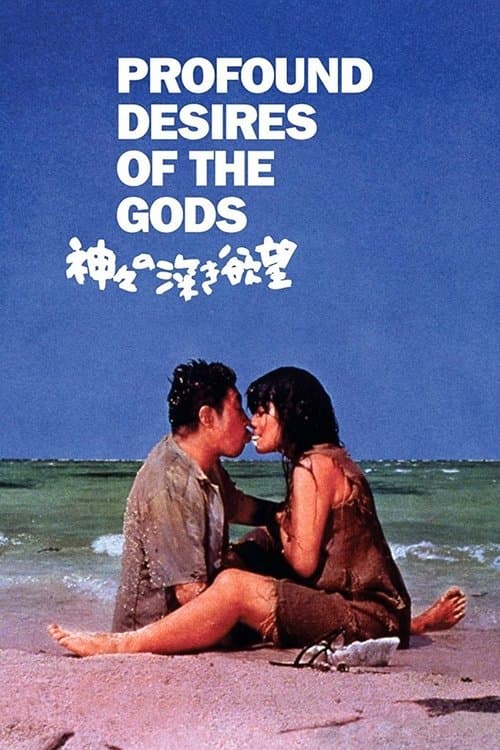
Tokyo engineer Kariya arrives on a primitive tropical island, where he interacts with the Futori clan, to drill a well to power a sugar mill.

Returning to their lord's castle, samurai warriors Washizu and Miki are waylaid by a spirit who predicts their futures. When the first part of the spirit's prophecy comes true, Washizu's scheming wife, Asaji, presses him to speed up the rest of the spirit's prophecy by murdering his lord and usurping his place. Director Akira Kurosawa's resetting of William Shakespeare's "Macbeth" in feudal Japan is one of his most acclaimed films.

Tokiko is a mother patiently waiting for her husband's return from the war when her 4-year old son becomes ill. She takes him to the doctor for treatment but has no way of paying. She resorts to prostitution. One month later her husband returns from WWII to find his desperate wife, who tells him the truth. Together they must deal with the consequences.
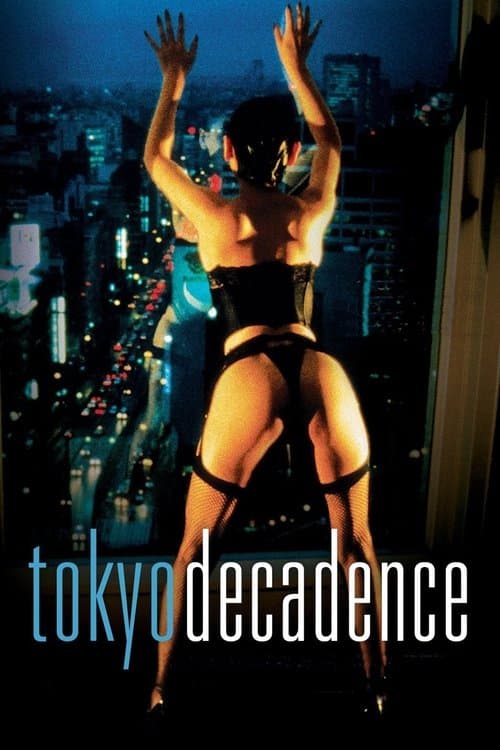
A submissive hooker goes about her trade, suffering abuse at the hands of Japanese salarymen and Yakuza types. She's unhappy about her work, and is apparently trying to find some sort of appeasement for the fact that her lover has married.

Depicts the life of a family in a remote Japanese timber village. Family head Tahara Kozo lives with his mother Sachiko, wife Yasuyo, nephew Eisuke and young daughter Michiru. Economic recession and failed development plans cause tragedy in the family.

In late 19th century Tokyo, Kikunosuke Onoue, the adopted son of a legendary actor, himself an actor specializing in female roles, discovers that he is only praised for his acting due to his status as his father's heir. Devastated by this, he turns to Otoku, a servant of his family, for comfort, and they fall in love. Kikunosuke becomes determined to leave home and develop as an actor on his own merits, and Otoku faithfully follows him.
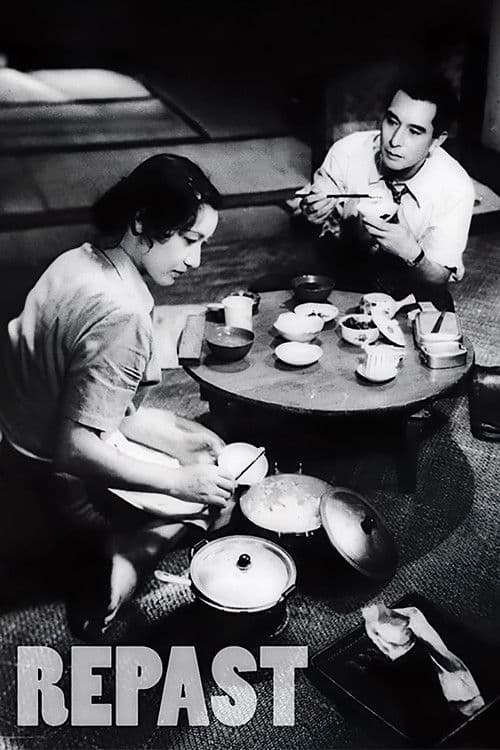
Michiyo lives in the small place Osaka and is not happy with her marriage; all she does is cook and clean for her husband.