SimilarScreen
Baby's Meal

Baby's Meal

18955.50h 1m

Overview

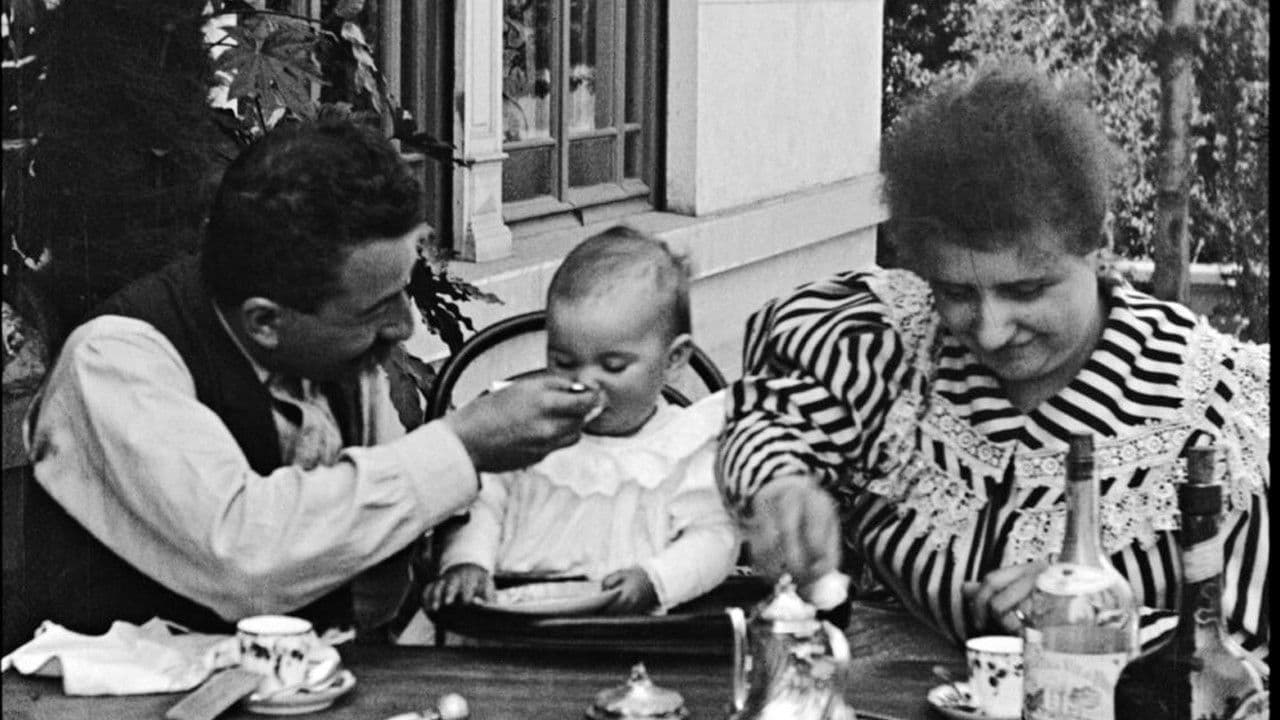
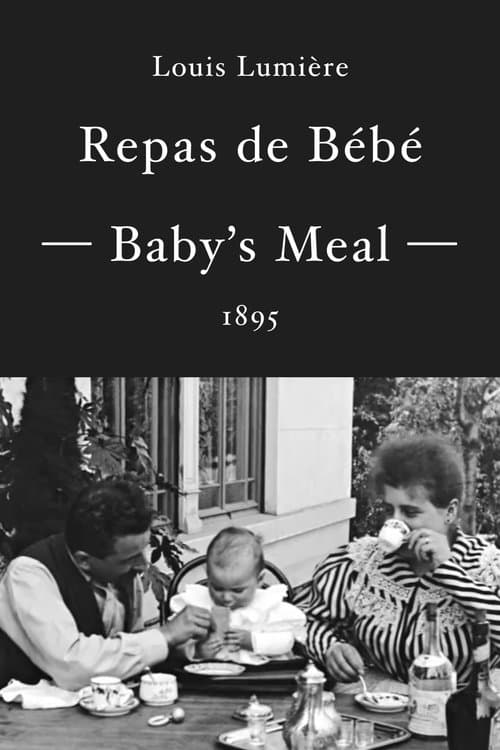
A father, a mother and a baby are sitting at a table, on a patio outside. Dad is feeding Baby her lunch, while Mum is serving tea.

Directed by Louis Lumière
Produced by Auguste Lumière, Louis Lumière
0

Top Cast

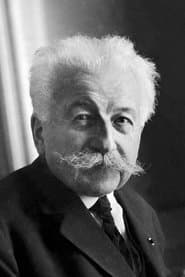
Auguste Lumière

Auguste Lumière

Self

A

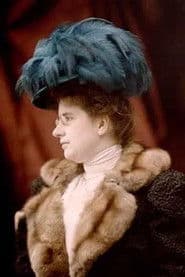
Andrée Lumière

Self

Marguerite Lumière

Marguerite Lumière

Self

Themes & Keywords

babydinnermealeatingsilent filmparentsshort filmmealtimehigh chair

About Baby's Meal

Baby's Meal is a documentary, family film released in 1895 exploring themes of baby, dinner, meal, eating, silent film, parents. Directed by Louis Lumière, it stars Auguste Lumière, Andrée Lumière, Marguerite Lumière. A father, a mother and a baby are sitting at a table, on a patio outside. Dad is feeding Baby her lunch, while Mum is serving tea.

Movies Similar to Baby's Meal

Discover titles like Baby's Meal — ranked by similarity and community votes

We found 15 movies similar to Baby's Meal

If you enjoyed Baby's Meal, you'll love these handpicked recommendations. Each title below shares similar themes, tone, and storytelling style. Our algorithm analyzes genres, keywords, director filmography, and cast connections to find the closest matches. Whether you're looking for the same emotional depth, narrative structure, or visual style, these picks are curated to deliver the best viewing experience for fans of Baby's Meal.

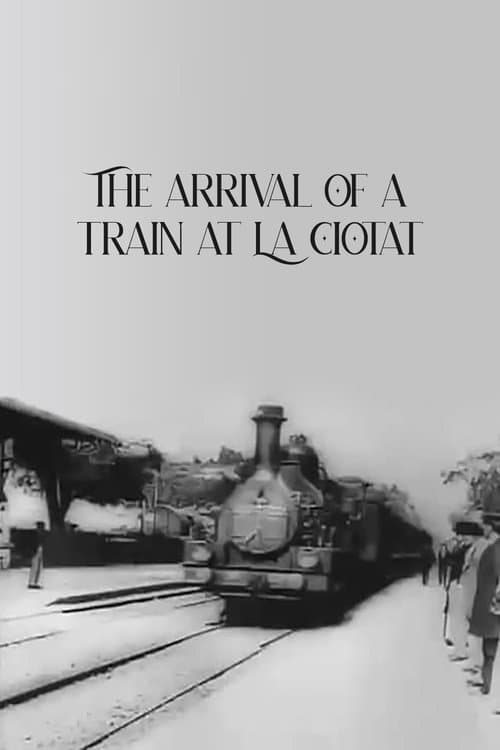
The Arrival of a Train at La Ciotat
30% Match

A group of people are standing along the platform of a railway station in La Ciotat, waiting for a train. One is seen coming, at some distance, and eventually stops at the platform. Doors of the railway-cars open and attendants help passengers off and on. Popular legend has it that, when this film was shown, the first-night audience fled the café in terror, fearing being run over by the "approaching" train. This legend has since been identified as promotional embellishment, though there is evidence to suggest that people were astounded at the capabilities of the Lumières' cinématographe.
Workers Leaving the Lumière Factory
25% Match

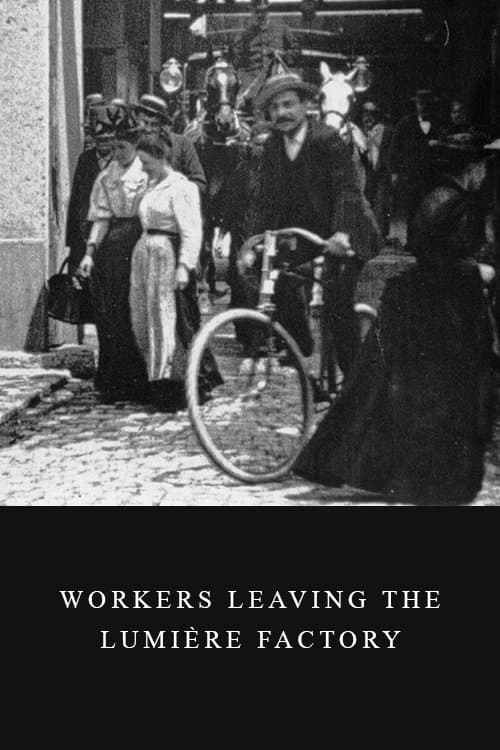
Working men and women leave through the main gate of the Lumière factory in Lyon, France. Filmed on 22 March 1895, it is often referred to as the first real motion picture ever made, although Louis Le Prince's 1888 Roundhay Garden Scene pre-dated it by seven years. Three separate versions of this film exist, which differ from one another in numerous ways. The first version features a carriage drawn by one horse, while in the second version the carriage is drawn by two horses, and there is no carriage at all in the third version. The clothing style is also different between the three versions, demonstrating the different seasons in which each was filmed. This film was made in the 35 mm format with an aspect ratio of 1.33:1, and at a speed of 16 frames per second. At that rate, the 17 meters of film length provided a duration of 46 seconds, holding a total of 800 frames.

The Act of Seeing with One's Own Eyes
17% Match

At a morgue, forensic pathologists conduct autopsies of the corpses assigned. "S. Brakhage, entering, WITH HIS CAMERA, one of the forbidden, terrific locations of our culture, the autopsy room. It is a place wherein, inversely, life is cherished, for it exists to affirm that no one of us may die without our knowing exactly why. All of us, in the person of the coroner, must see that, for ourselves, with our own eyes. It is a room full of appalling particular intimacies, the last ditch of individuation. Here our vague nightmare of mortality acquires the names and faces of OTHERS. This last is a process that requires a WITNESS; and what 'idea' may finally have inserted itself into the sensible world we can still scarcely guess, for the CAMERA would seem the perfect Eidetic Witness, staring with perfect compassion where we can scarcely bear to glance." – Hollis Frampton

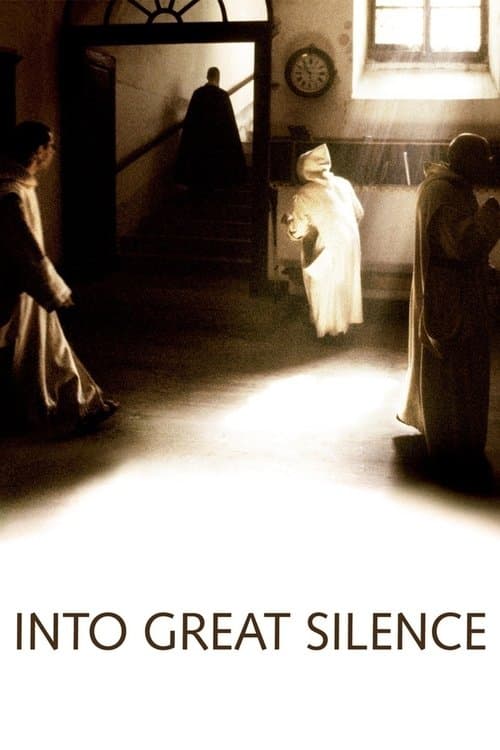
Into Great Silence
15% Match

An intimate portrayal of the everyday lives of Carthusian monks of the Grande Chartreuse, high in the French Alps (Chartreuse Mountains). The idea for the film was proposed to the monks in 1984, but the Carthusians said they wanted time to think about it. The Carthusians finally contacted Gröning 16 years later to say they were now willing to permit Gröning to shoot the movie, if he was still interested.

Tin Toy
13% Match

Tin Toy(1988)

Movie6.1/10

Babies are hardly monster-like, unless you're a toy. After escaping a drooling baby, Tinny realizes that he wants to be played with after all. But in the amount of time it takes him to discover this, the baby's attention moves on to other things only an infant could find interesting.

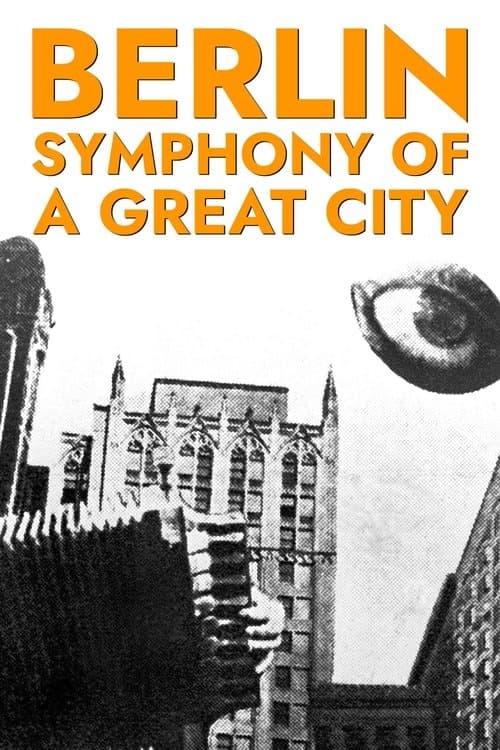
Berlin: Symphony of a Great City
13% Match

A day in the city of Berlin, which experienced an industrial boom in the 1920s, and still provides an insight into the living and working conditions at that time. Germany had just recovered a little from the worst consequences of the First World War, the great economic crisis was still a few years away and Hitler was not yet an issue at the time.

Land Without Bread
13% Match

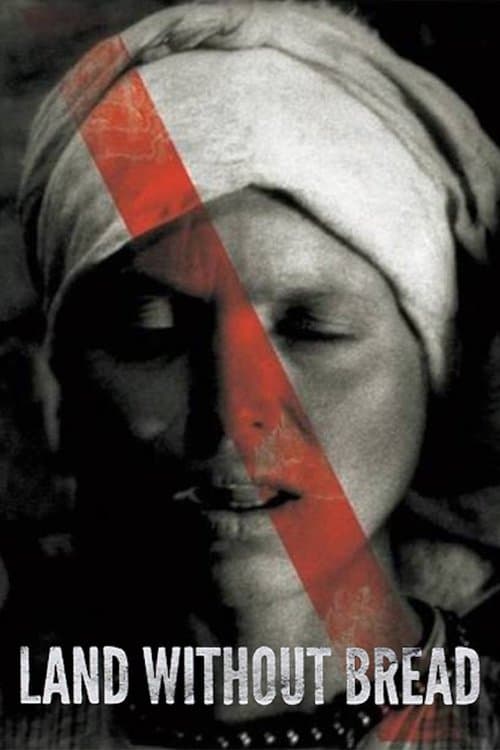
An exploration —manipulated and staged— of life in Las Hurdes, in the province of Cáceres, in Extremadura, Spain, as it was in 1932. Insalubrity, misery and lack of opportunities provoke the emigration of young people and the solitude of those who remain in the desolation of one of the poorest and least developed Spanish regions at that time.

Samsara
13% Match

Samsara(2011)

Movie8.1/10

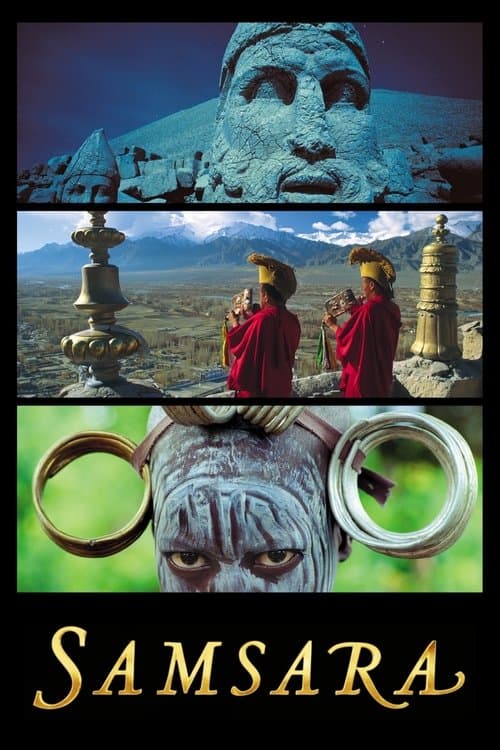
Filmed over nearly five years in twenty-five countries on five continents, and shot on seventy-millimetre film, Samsara transports us to the varied worlds of sacred grounds, disaster zones, industrial complexes, and natural wonders.

Period. End of Sentence.
13% Match

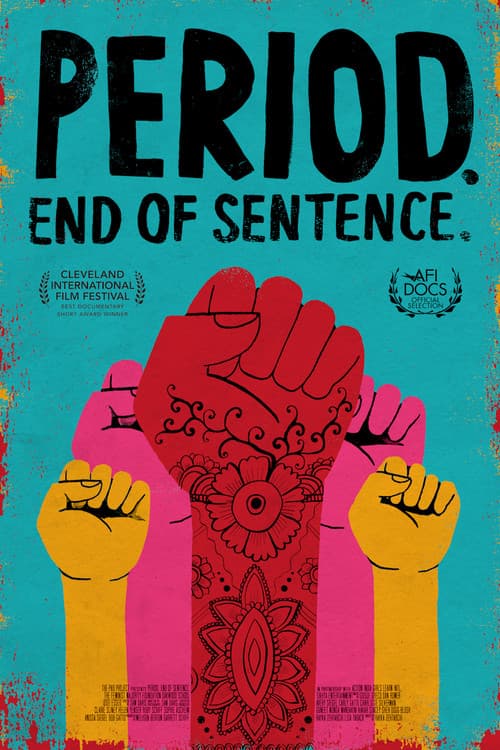
In an effort to improve feminine hygiene, a machine that creates low-cost biodegradable sanitary pads is installed in a rural village in Northern India. Using the machine, a group of local women is employed to produce and sell pads, offering them newfound independence and helping to destigmatize menstruation for all.

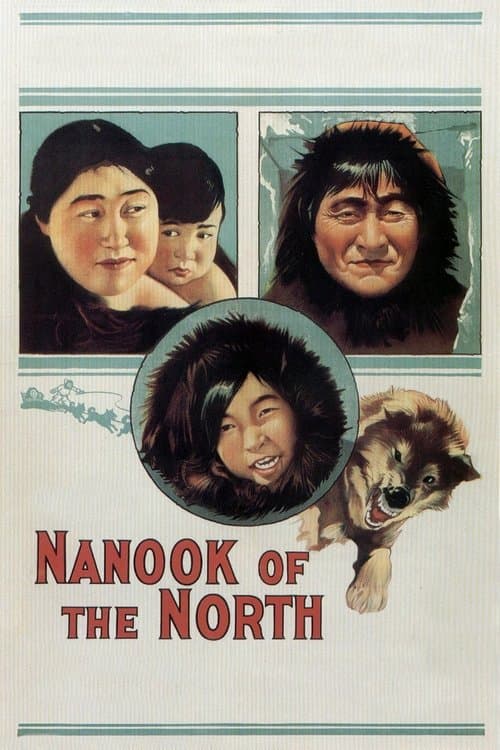
Nanook of the North
11% Match

This pioneering documentary film depicts the lives of the indigenous Inuit people of Canada's northern Quebec region. Although the production contains some fictional elements, it vividly shows how its resourceful subjects survive in such a harsh climate, revealing how they construct their igloo homes and find food by hunting and fishing. The film also captures the beautiful, if unforgiving, frozen landscape of the Great White North, far removed from conventional civilization.