32% Match
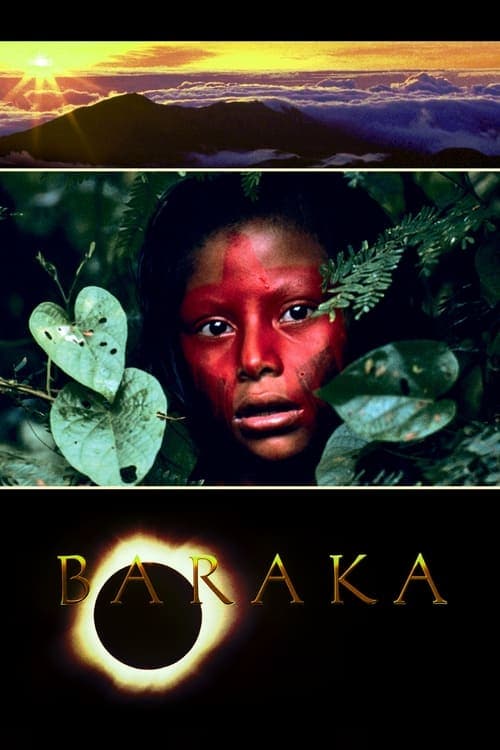
Baraka(1992)
Movie8.2/10
A paralysingly beautiful documentary with a global vision—an odyssey through landscape and time—that attempts to capture the essence of life.
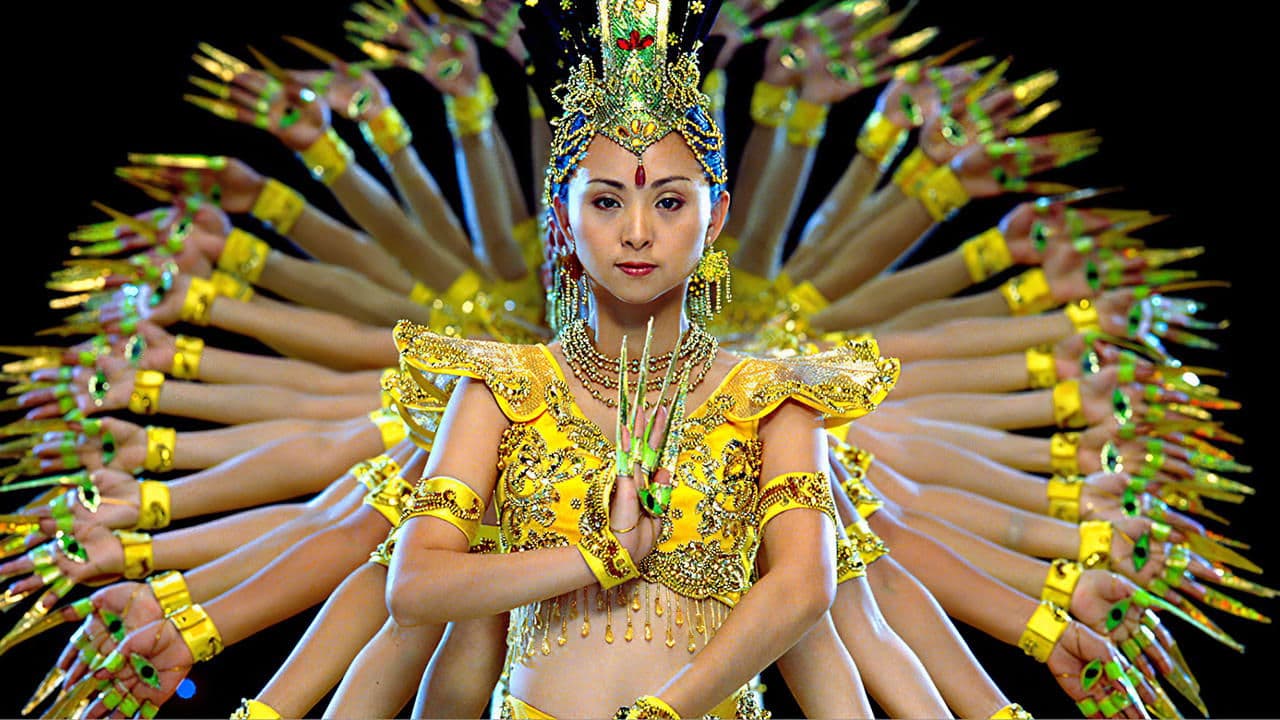
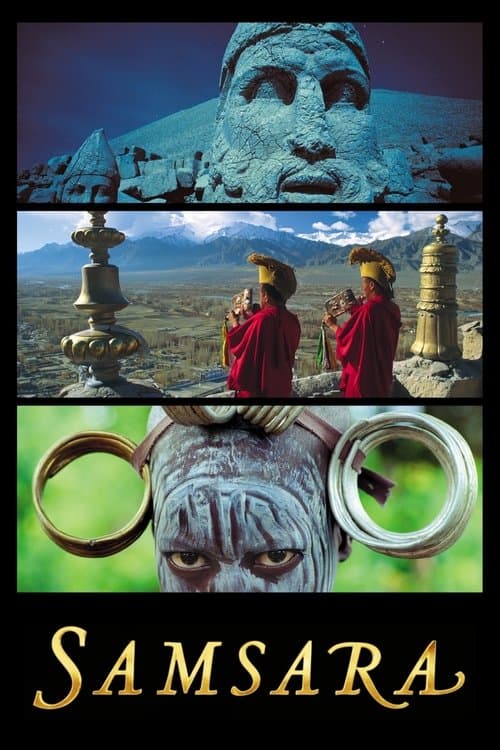
Filmed over nearly five years in twenty-five countries on five continents, and shot on seventy-millimetre film, Samsara transports us to the varied worlds of sacred grounds, disaster zones, industrial complexes, and natural wonders.
Ni Made Megahadi Pratiwi
Dancer: Valinese Tari Legong Dancers, Indonesia
Puti Sri Candra Dewi
Dancer: Valinese Tari Legong Dancers, Indonesia
Putu Dinda Pratika
Dancer: Valinese Tari Legong Dancers, Indonesia
Marcos Luna
Tattoo Daddy: USA
Hiroshi Ishiguro
Professor and Robot Clone: Japan
Olivier De Sagazan
Man At Desk: France
Ladyboys of Cascade Bar
Dancers: Thailand
Kikumaru
Geisha: Japan
Crisanto Neire
Lead Singer: Cebu Provincial Detenton Center, Philippines
Robert Henline
US Army Veteran: USA (as Staff Sergeant Robert Henline)
Samsara is a documentary film released in 2011 exploring themes of eating, around the world, balance, skyline, sunset, modern life. Directed by Ron Fricke, it stars Ni Made Megahadi Pratiwi, Puti Sri Candra Dewi, Putu Dinda Pratika. Filmed over nearly five years in twenty-five countries on five continents, and shot on seventy-millimetre film, Samsara transports us to the varied worlds of sacred grounds, disaster zones, industrial complexes, and natural wonders.
Discover titles like Samsara — ranked by similarity and community votes
We found 15 movies similar to Samsara
If you enjoyed Samsara, you'll love these handpicked recommendations. Each title below shares similar themes, tone, and storytelling style. Our algorithm analyzes genres, keywords, director filmography, and cast connections to find the closest matches. Whether you're looking for the same emotional depth, narrative structure, or visual style, these picks are curated to deliver the best viewing experience for fans of Samsara.
A paralysingly beautiful documentary with a global vision—an odyssey through landscape and time—that attempts to capture the essence of life.
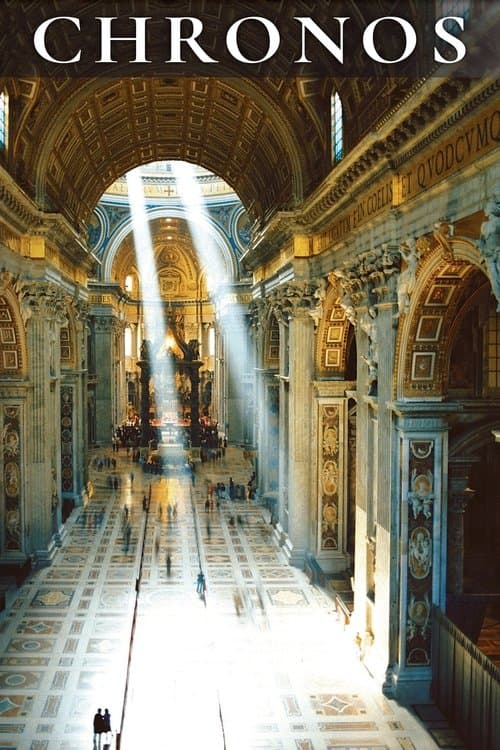
Carefully picked scenes of nature and civilization are viewed at high speed using time-lapse cinematography in an effort to demonstrate the history of various regions.
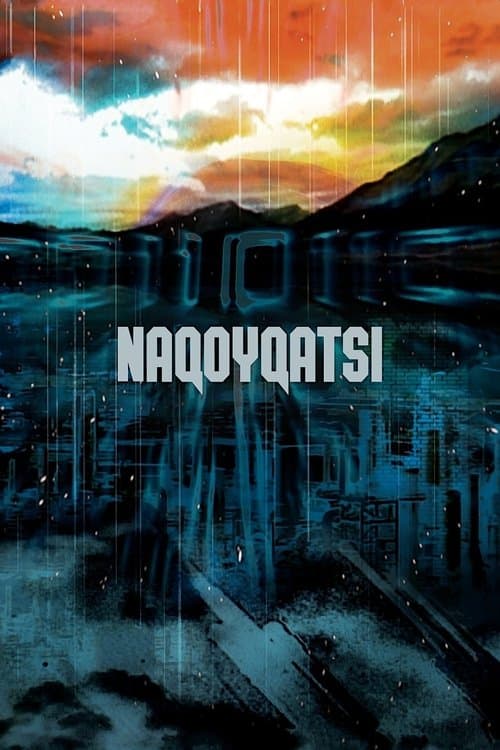
A visual montage portrait of our contemporary world dominated by globalized technology and violence.
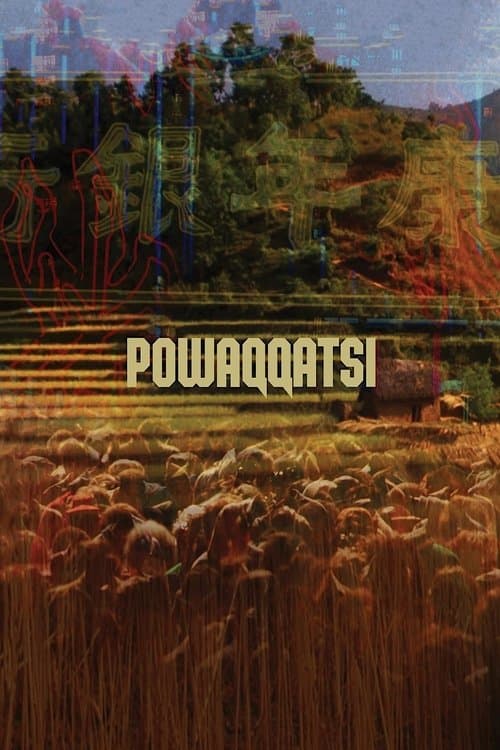
An exploration of technologically developing nations and the effect the transition to Western-style modernization has had on them.
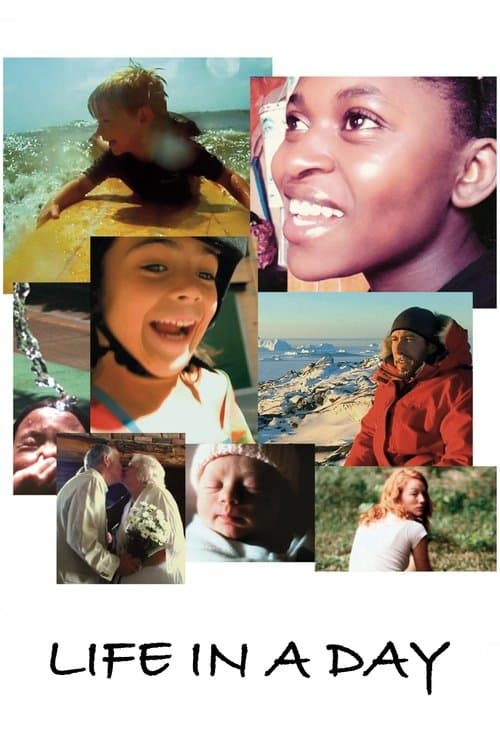
A documentary shot by filmmakers all over the world that serves as a time capsule to show future generations what it was like to be alive on the 24th of July, 2010.
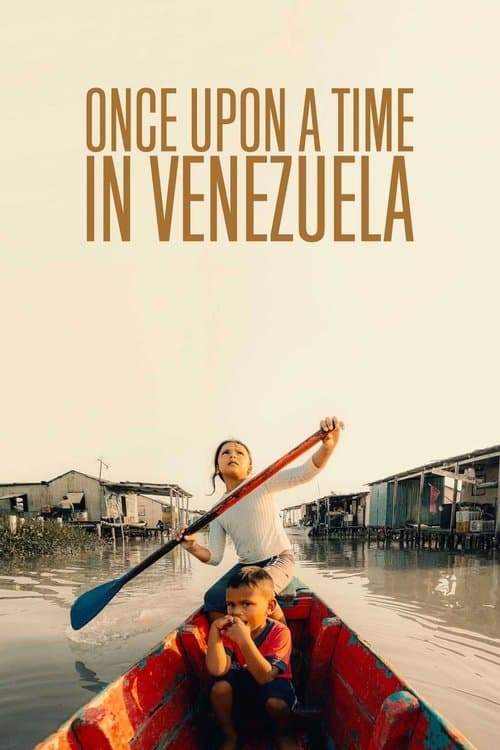
Once upon a time, the Venezuelan village of Congo Mirador was prosperous, alive with fisherman and poets. Now it is decaying and disintegrating—a small but prophetic reflection of Venezuela itself.
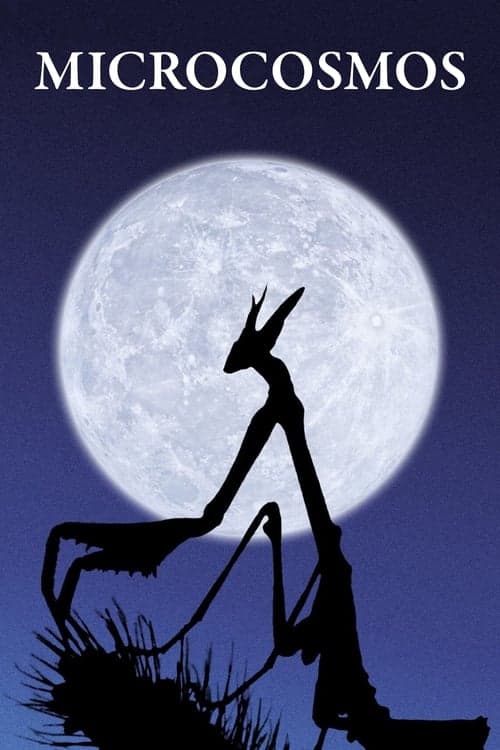
A documentary of insect life in meadows and ponds, using incredible close-ups, slow motion, and time-lapse photography. It includes bees collecting nectar, ladybugs eating mites, snails mating, spiders wrapping their catch, a scarab beetle relentlessly pushing its ball of dung uphill, endless lines of caterpillars, an underwater spider creating an air bubble to live in, and a mosquito hatching.
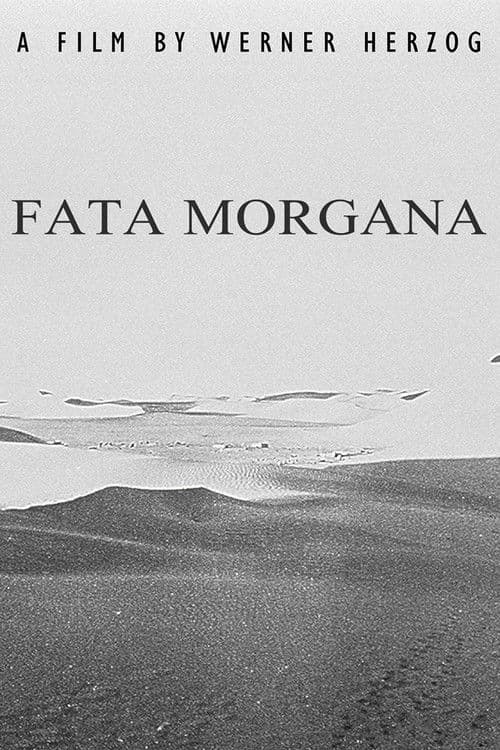
Shot under extreme conditions and inspired by Mayan creation theory, the film contemplates the illusion of reality and the possibility of capturing for the camera something which is not there. It is about the mirages of nature—and the nature of mirage.
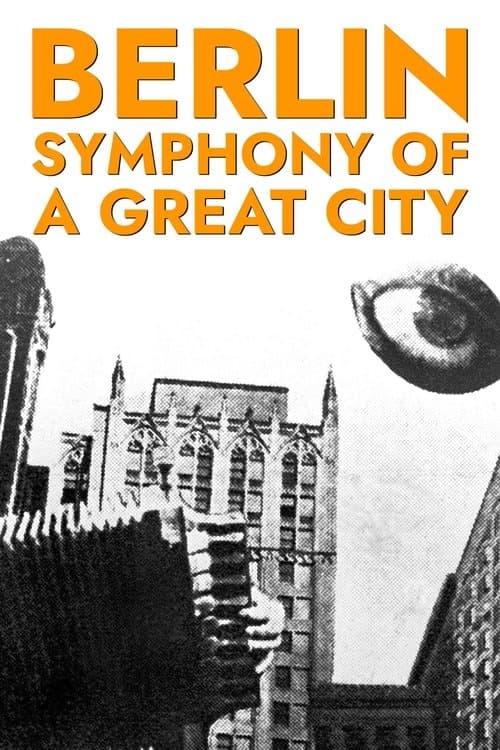
A day in the city of Berlin, which experienced an industrial boom in the 1920s, and still provides an insight into the living and working conditions at that time. Germany had just recovered a little from the worst consequences of the First World War, the great economic crisis was still a few years away and Hitler was not yet an issue at the time.
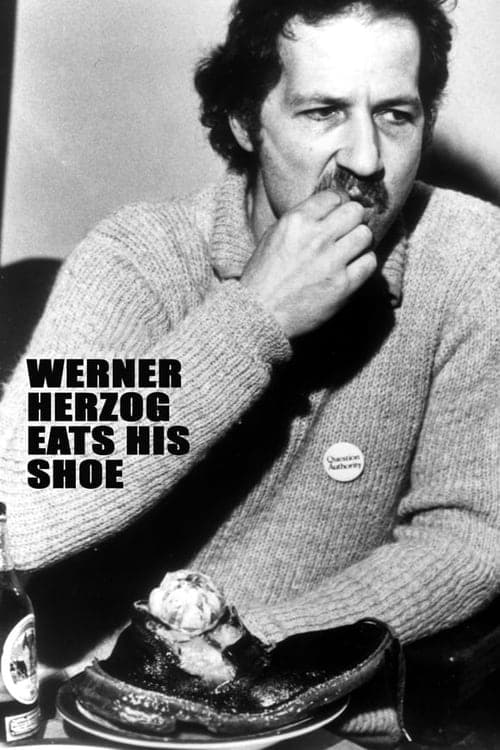
Directors Werner Herzog and Errol Morris make a bet which results in Herzog living up to his promise that he would eat his shoe if Errol Morris ever completed the film Gates of Heaven.
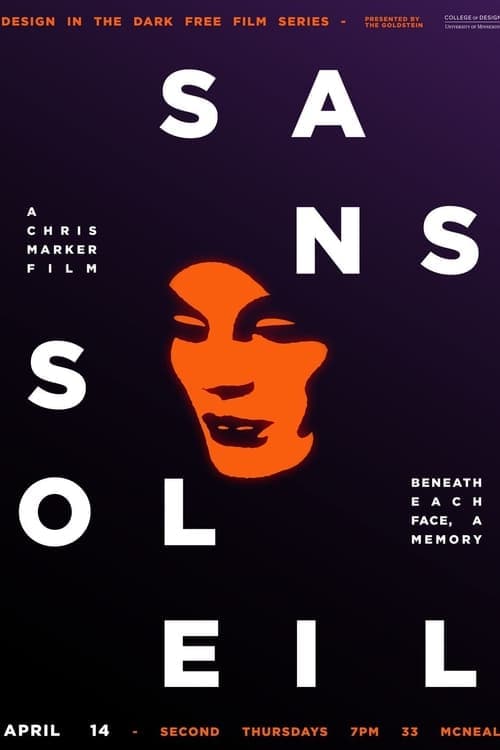
A woman narrates the thoughts of a world traveler, meditations on time and memory expressed in words and images from places as far-flung as Japan, Guinea-Bissau, Iceland, and San Francisco.
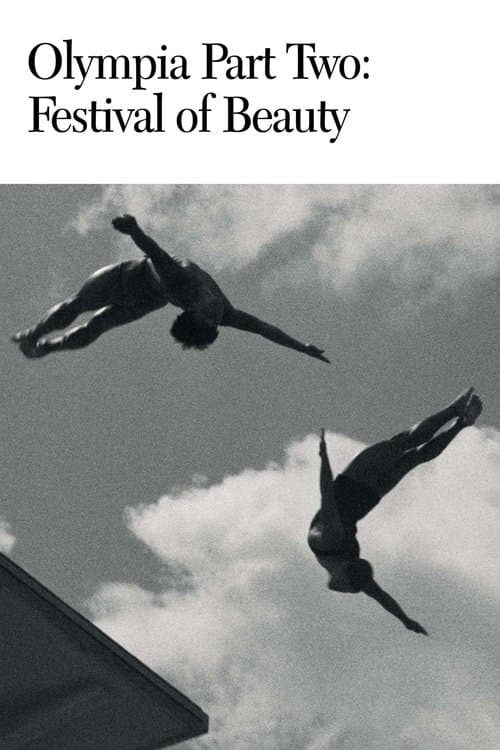
Part two of Leni Riefenstahl's monumental examination of the 1938 Olympic Games, the cameras leave the main stadium and venture into the many halls and fields deployed for such sports as fencing, polo, cycling, and the modern pentathlon, which was won by American Glenn Morris.
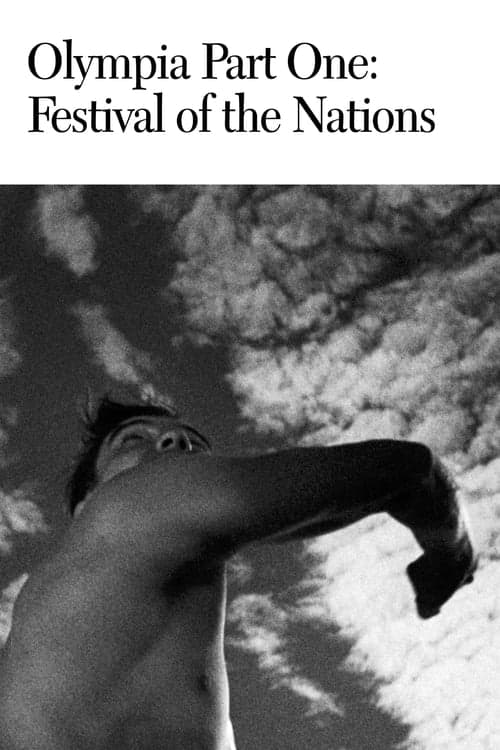
Starting with a long and lyrical overture, evoking the origins of the Olympic Games in ancient Greece, Riefenstahl covers twenty-one athletic events in the first half of this two-part love letter to the human body and spirit, culminating with the marathon, where Jesse Owens became the first track and field athlete to win four gold medals in a single Olympics.
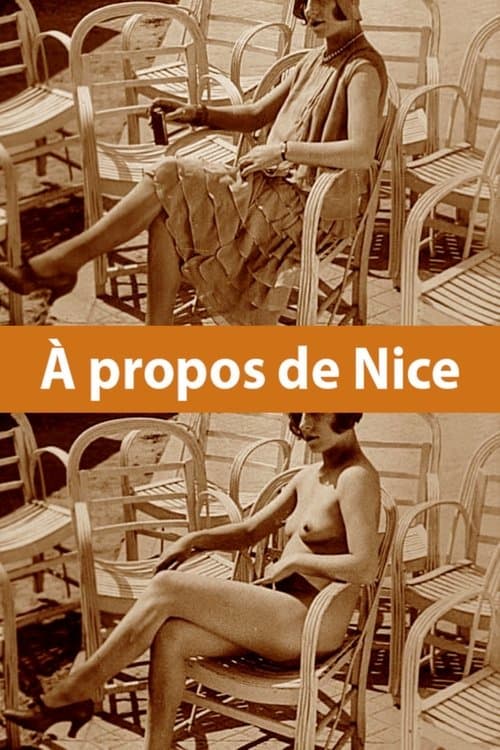
What starts off as a conventional travelogue turns into a satirical portrait of the town of Nice on the French Côte d'Azur, especially its wealthy inhabitants.
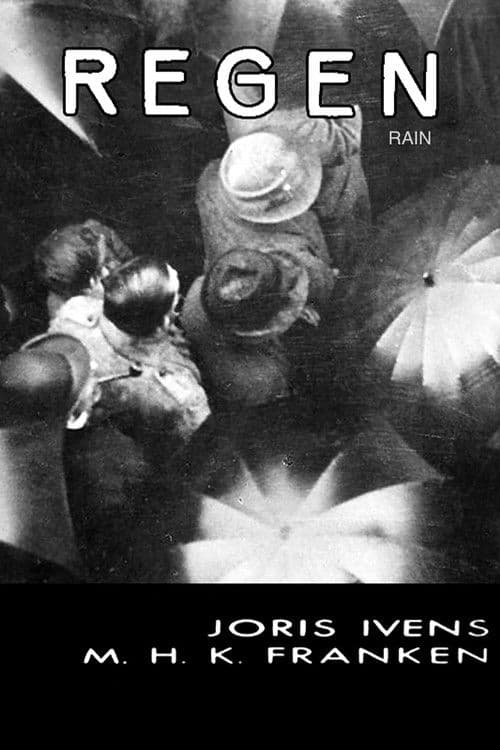
A lyrical portrait of Amsterdam and its changing appearance during a rain-shower.