48% Match
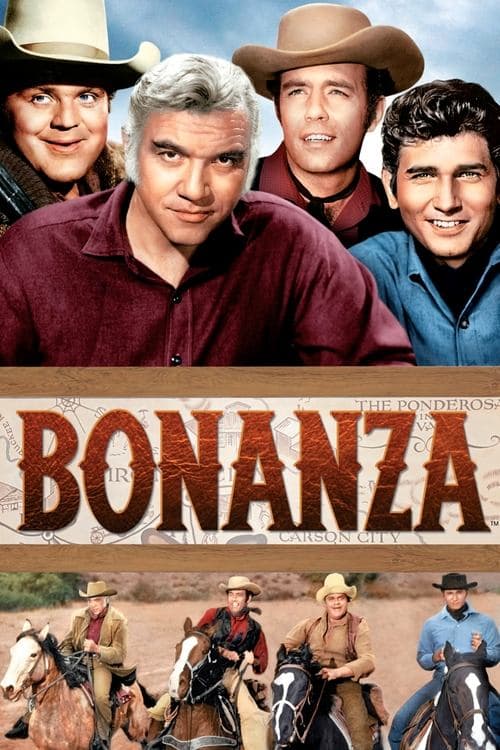
Bonanza(1959)
TV Show7.5/10
The High-Sierra adventures of Ben Cartwright and his sons as they run and defend their ranch while helping the surrounding community.

Jefferson Drum, also known as The Pen and the Quill, is an American Western television series starring Jeff Richards that aired on the NBC network from April 25 to December 11, 1958.
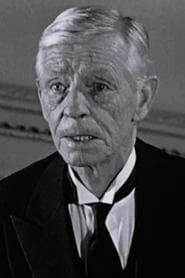
Cyril Delevanti
Lucius Coin
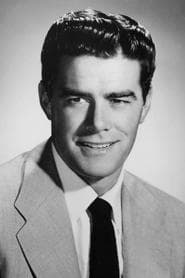
Jeff Richards
Jefferson Drum
Jefferson Drum is a western series that first aired in 1958 exploring themes of single father, wild west. it stars Cyril Delevanti, Jeff Richards. Jefferson Drum, also known as The Pen and the Quill, is an American Western television series starring Jeff Richards that aired on the NBC network from April 25 to December 11, 1958.
Discover shows like Jefferson Drum — ranked by similarity and community votes
We found 15 shows similar to Jefferson Drum
If you enjoyed Jefferson Drum, you'll love these handpicked recommendations. Each title below shares similar themes, tone, and storytelling style. Our algorithm analyzes genres, keywords, creator filmography, and cast connections to find the closest matches. Whether you're looking for the same emotional depth, narrative structure, or visual style, these picks are curated to deliver the best viewing experience for fans of Jefferson Drum.
The High-Sierra adventures of Ben Cartwright and his sons as they run and defend their ranch while helping the surrounding community.

Wanted: Dead or Alive is an American Western television series starring Steve McQueen as the bounty hunter Josh Randall. It aired on CBS for three seasons from 1958–61. The black-and-white program was a spin-off of a March 1958 episode of Trackdown, a 1957–59 western series starring Robert Culp. Both series were produced by Four Star Television in association with CBS Television. The series launched McQueen into becoming the first television star to cross over into comparable status on the big screen.

Diego de la Vega, the son of a wealthy landowner, returns from his studies in Spain and discovers that Los Angeles is under the command of Capitan Monastario, a cruel man who relishes in the misuse of his power for personal gain. Knowing that he cannot hope to single-handedly defeat Monastario and his troops, Diego resorts to subterfuge. He adopts the secret identity of Zorro, a sinister figure dressed in black, and rides to fight Monastario's injustice.
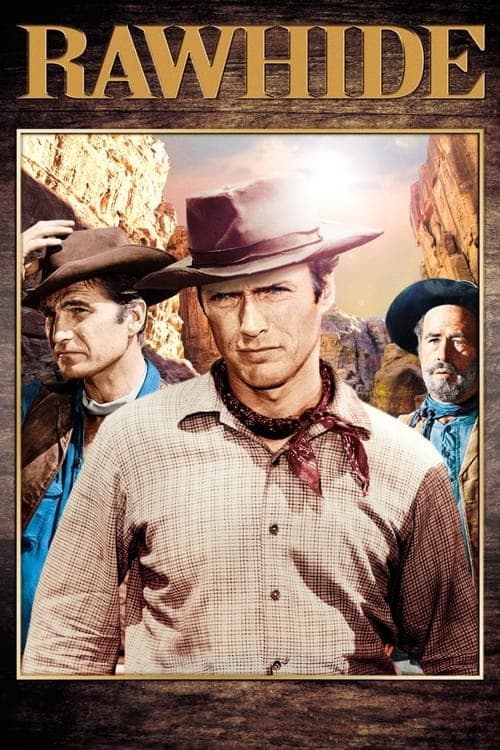
The tale of trail boss Gil Favor and his trusty foreman Rowdy Yates as they drives cattle across the old west. Along the way they meet up with adventure and drama.

Have Gun – Will Travel is an American Western television series that aired on CBS from 1957 through 1963. It was rated number three or number four in the Nielsen ratings every year of its first four seasons. It was one of the few television shows to spawn a successful radio version. The radio series debuted November 23, 1958. The television show is presently shown on the Encore-Western channel. Have Gun – Will Travel was created by Sam Rolfe and Herb Meadow and produced by Frank Pierson, Don Ingalls, Robert Sparks, and Julian Claman. There were 225 episodes of the TV series, 24 written by Gene Roddenberry. Other contributors included Bruce Geller, Harry Julian Fink, Don Brinkley and Irving Wallace. Andrew McLaglen directed 101 episodes and 19 were directed by series star Richard Boone.
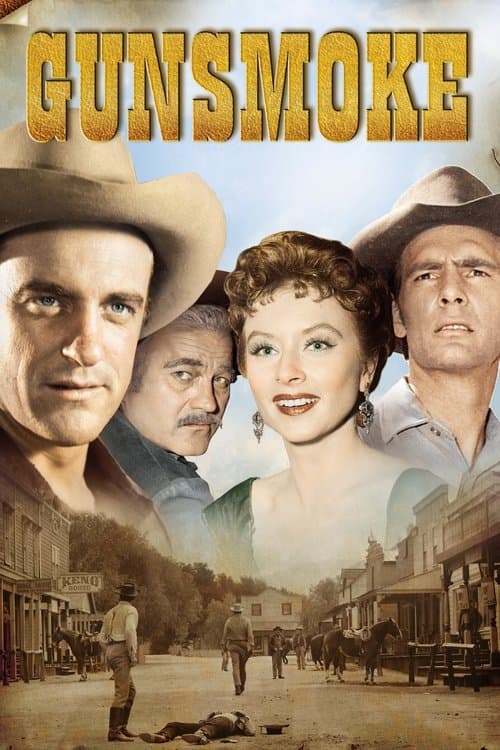
Gunsmoke is an American radio and television Western drama series created by director Norman MacDonnell and writer John Meston. The stories take place in and around Dodge City, Kansas, during the settlement of the American West. The central character is lawman Marshal Matt Dillon, played by William Conrad on radio and James Arness on television.
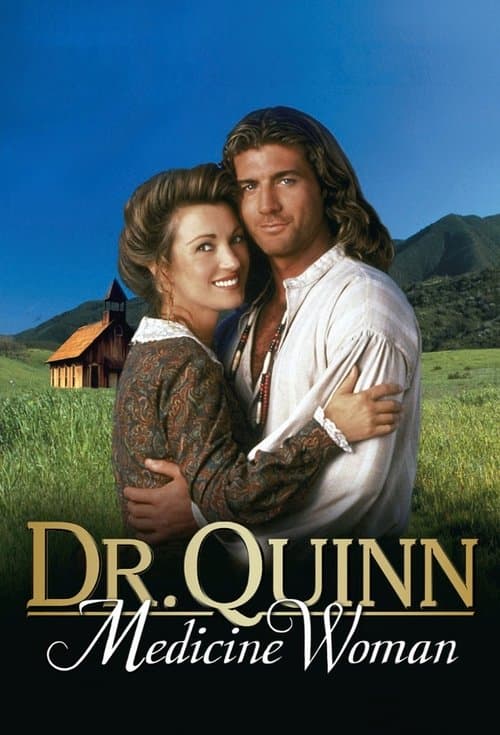
Dr. Michaela Quinn journeys to Colorado Springs to be the town's physician after her father's death in 1868.

When the big woods of Wisconsin becomes a difficult spot for hunting, Charles Ingalls reluctantly decides to move his family, pioneering west. Their life on the farm in Walnut Grove, Minnesota, in the 1870s and 1880s is full of adventure, tragedy, and triumph. Based on the books of Laura Ingalls Wilder.
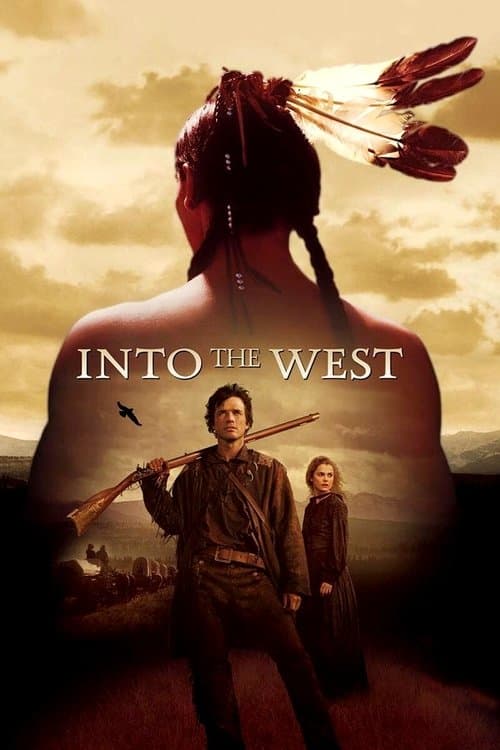
The lives of two families, one white American, one native American, become mingled through the momentous events of American expansion, between 1825 and 1890.

Follow the Dutton family as they embark on a journey west through the Great Plains toward the last bastion of untamed America. A stark retelling of Western expansion, and an intense study of one family fleeing poverty to seek a better future in America’s promised land — Montana.
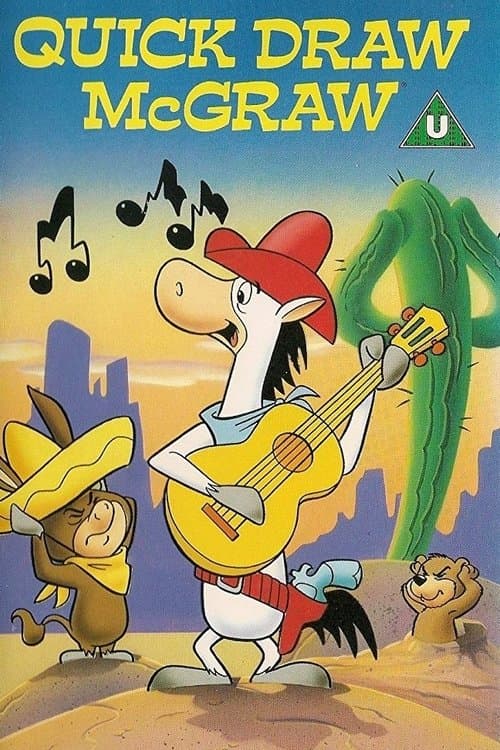
The Quick Draw McGraw Show is the third cartoon television production created by Hanna-Barbera, starring an anthropomorphic cartoon horse named Quick Draw McGraw. The series featured 3 cartoons per episode, one each by Quick Draw McGraw & Baba Looey, father and son dog duo Augie Doggie & Doggie Daddy, and cat and mouse detectives Snooper & Blabber.
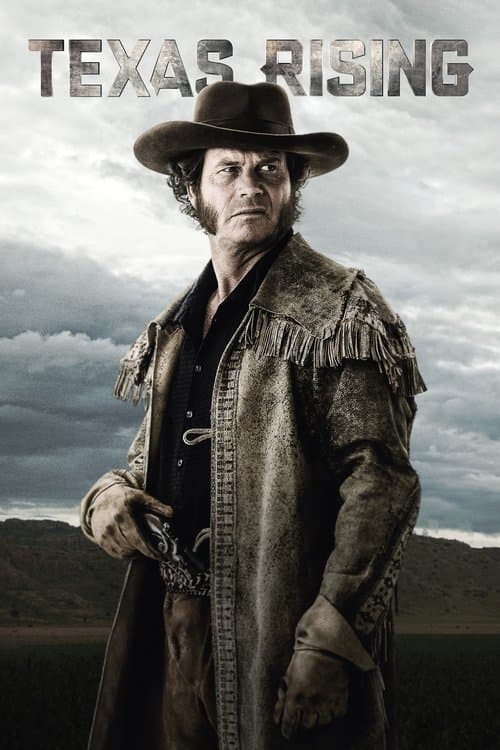
A chronicle of the Texas Revolution, the uprising against the tyranny of Mexican dictator Santa Anna, from the battle of the Alamo to the battle of San Jacinto, and the rise of the Texas Rangers.
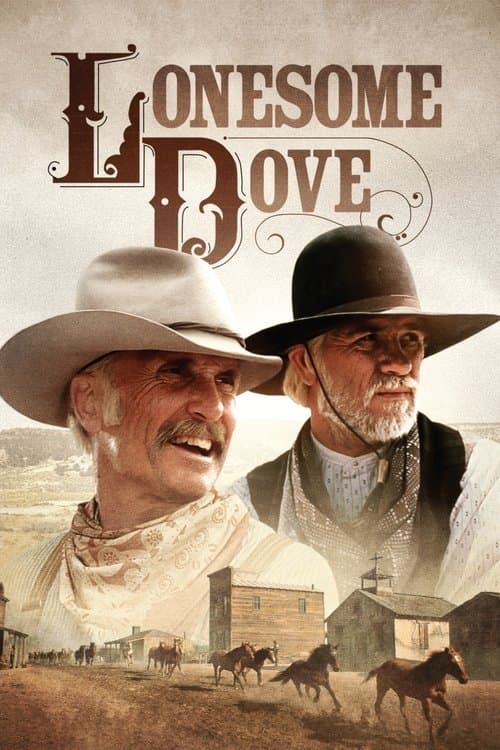
A pair of longtime friends and former Texas Rangers crave one last adventure before hanging-up their spurs. After stealing over a thousand head of cattle from rustlers south of the border, they recruit an unlikely crew of hands to drive the herd 3,000 miles north to the grasslands of Montana.

The story of the early days of Deadwood, South Dakota; woven around actual historic events with most of the main characters based on real people. Deadwood starts as a gold mining camp and gradually turns from a lawless wild-west community into an organized wild-west civilized town. The story focuses on the real-life characters Seth Bullock and Al Swearengen.
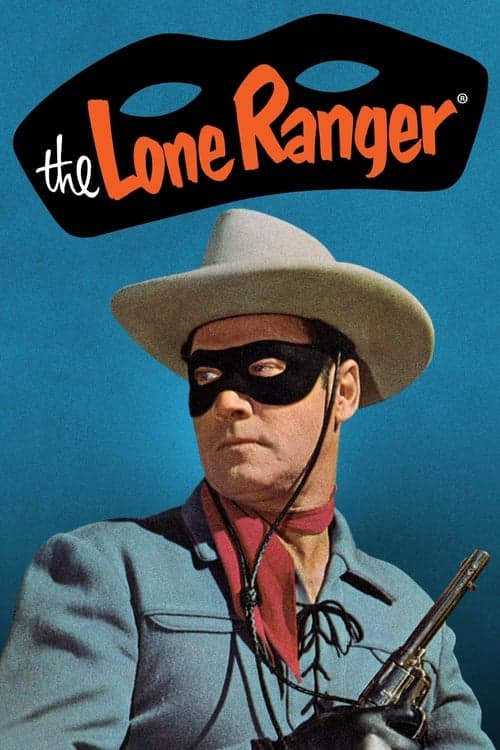
The Lone Ranger is an American western television series that ran from 1949 to 1957, starring Clayton Moore with Jay Silverheels as Tonto. The live-action series initially featured Gerald Mohr as the episode narrator. Fred Foy served as both narrator and announcer of the radio series from 1948 to its finish and became announcer of the television version when story narration was dropped there. This was by far the highest-rated television program on the ABC network in the early 1950s and its first true "hit".