35% Match
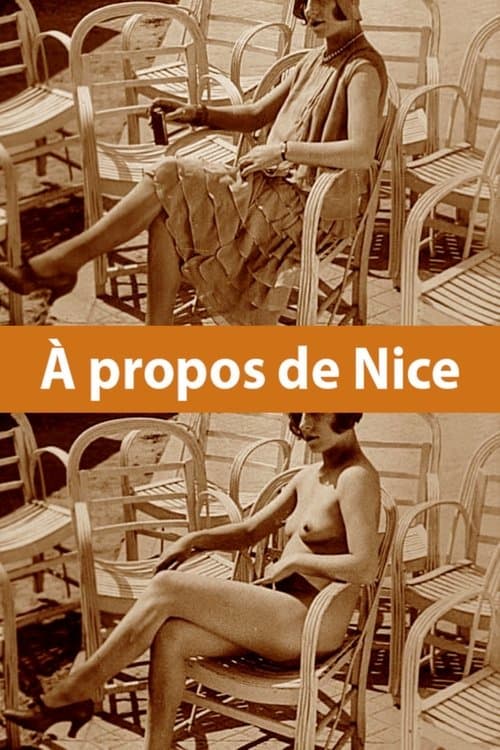
À propos de Nice(1930)
Movie6.8/10
What starts off as a conventional travelogue turns into a satirical portrait of the town of Nice on the French Côte d'Azur, especially its wealthy inhabitants.
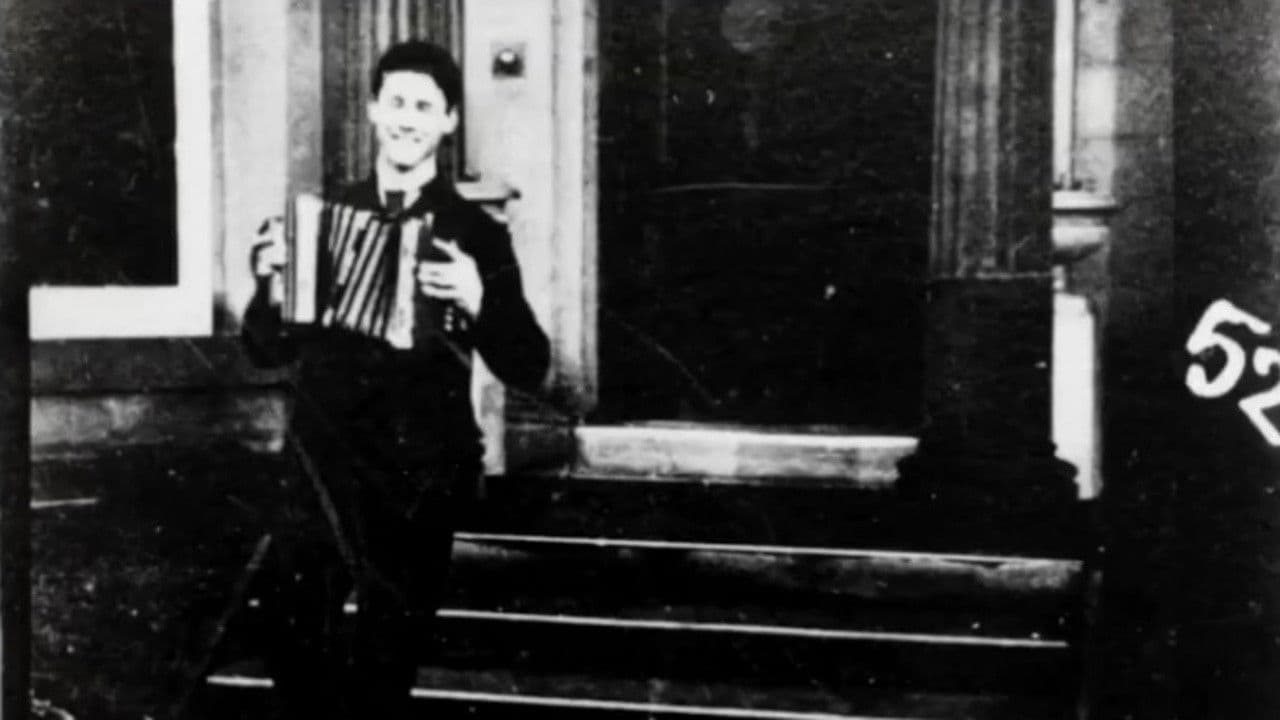
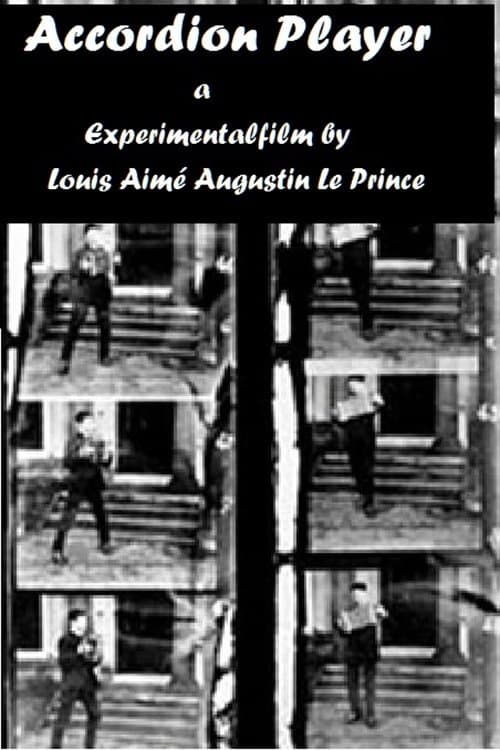
The last remaining film of Le Prince's LPCCP Type-1 MkII single-lens camera is a sequence of frames of his son, Adolphe Le Prince, playing a diatonic button accordion. It was recorded on the steps of the house of Joseph Whitley, Adolphe's grandfather.
Adolphe Le Prince
Himself
Accordion Player is a documentary film released in 1888 exploring themes of musician, accordion, black and white, silent film. Directed by Louis Aimé Augustin Le Prince, it stars Adolphe Le Prince. The last remaining film of Le Prince's LPCCP Type-1 MkII single-lens camera is a sequence of frames of his son, Adolphe Le Prince, playing a diatonic button accordion. It was recorded on the steps of the house of Joseph Whitley, Adolphe's grandfather.
Discover titles like Accordion Player — ranked by similarity and community votes
We found 15 movies similar to Accordion Player
If you enjoyed Accordion Player, you'll love these handpicked recommendations. Each title below shares similar themes, tone, and storytelling style. Our algorithm analyzes genres, keywords, director filmography, and cast connections to find the closest matches. Whether you're looking for the same emotional depth, narrative structure, or visual style, these picks are curated to deliver the best viewing experience for fans of Accordion Player.
What starts off as a conventional travelogue turns into a satirical portrait of the town of Nice on the French Côte d'Azur, especially its wealthy inhabitants.
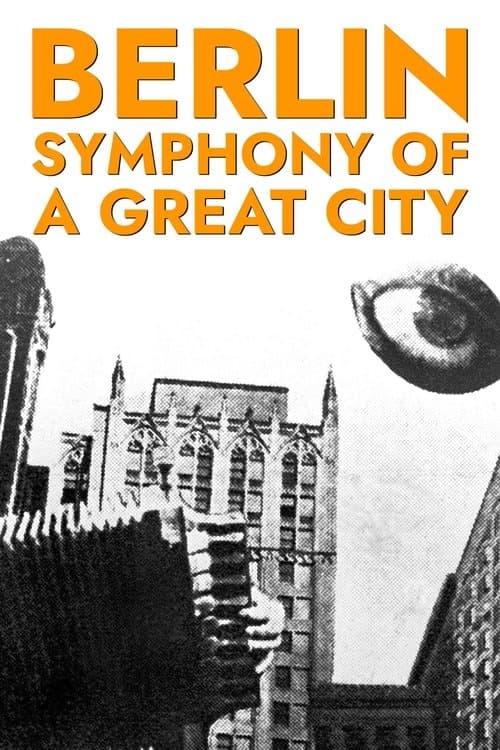
A day in the city of Berlin, which experienced an industrial boom in the 1920s, and still provides an insight into the living and working conditions at that time. Germany had just recovered a little from the worst consequences of the First World War, the great economic crisis was still a few years away and Hitler was not yet an issue at the time.
Filmed in 1896 by Alexandre Promio for the Lumière company, this short actuality presents one of the earliest traveling shots in cinema. With the camera mounted on a gondola, the film glides along Venice’s Grand Canal, capturing passing gondolas, bustling waterfront activity, and the city’s iconic architecture from a moving perspective. This simple yet groundbreaking technique introduced audiences to a new way of experiencing motion on screen.

At a morgue, forensic pathologists conduct autopsies of the corpses assigned. "S. Brakhage, entering, WITH HIS CAMERA, one of the forbidden, terrific locations of our culture, the autopsy room. It is a place wherein, inversely, life is cherished, for it exists to affirm that no one of us may die without our knowing exactly why. All of us, in the person of the coroner, must see that, for ourselves, with our own eyes. It is a room full of appalling particular intimacies, the last ditch of individuation. Here our vague nightmare of mortality acquires the names and faces of OTHERS. This last is a process that requires a WITNESS; and what 'idea' may finally have inserted itself into the sensible world we can still scarcely guess, for the CAMERA would seem the perfect Eidetic Witness, staring with perfect compassion where we can scarcely bear to glance." – Hollis Frampton

Ozzy Osbourne faces his identity and mortality after his world stops. Dealing with health issues and Parkinson's, he questions if he can perform again while music remains his life's cornerstone.
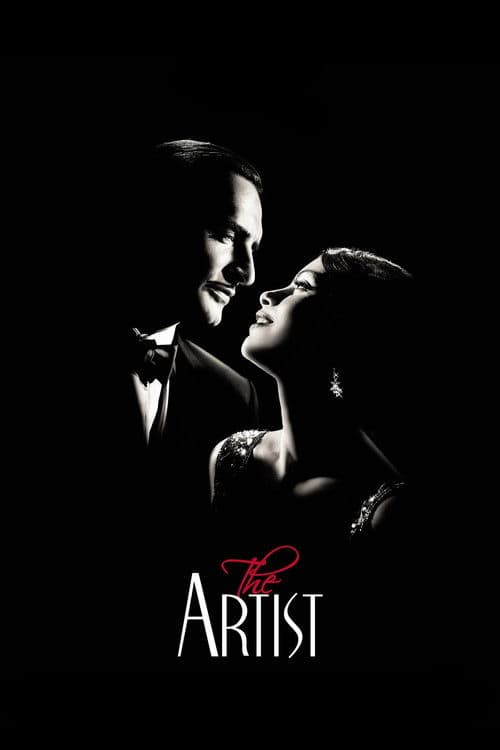
Hollywood, 1927: As silent movie star George Valentin wonders if the arrival of talking pictures will cause him to fade into oblivion, he sparks with Peppy Miller, a young dancer set for a big break.
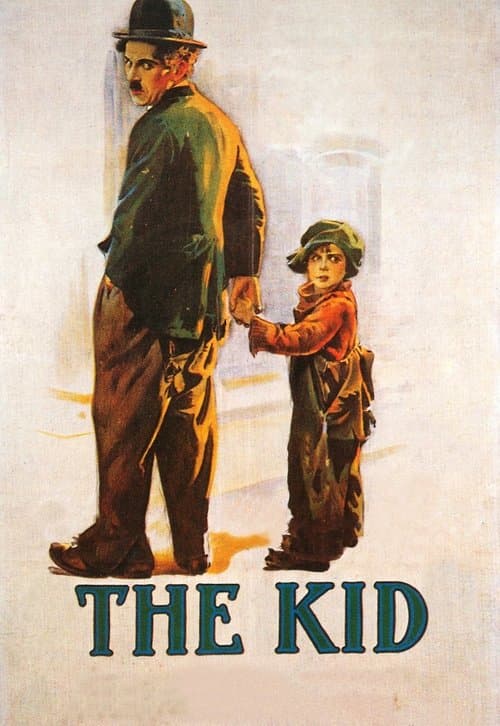
A tramp cares for a boy after he's abandoned as a newborn by his mother. Later the mother has a change of heart and aches to be reunited with her son.
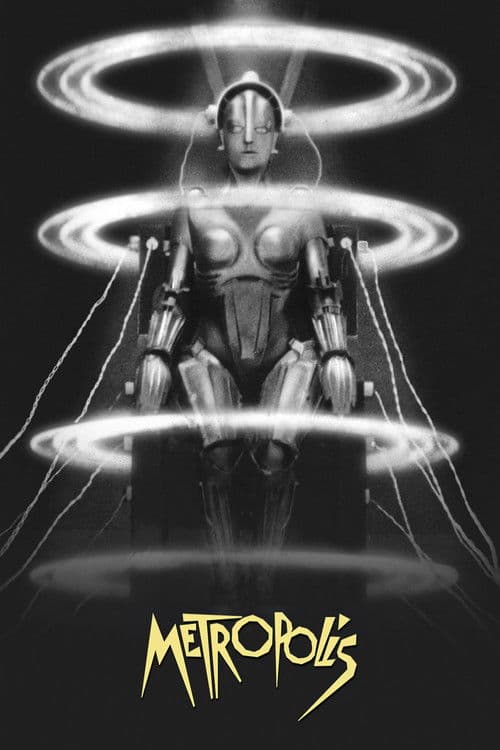
In a futuristic city sharply divided between the rich and the poor, the son of the city's mastermind meets a prophet who predicts the coming of a savior to mediate their differences.
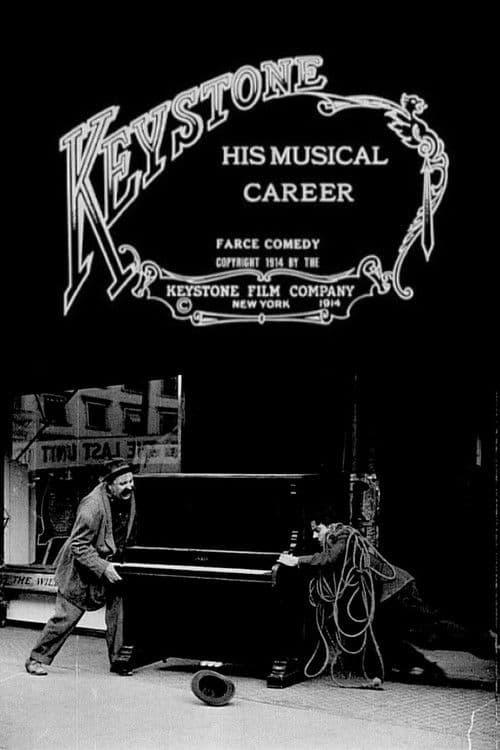
Charlie and his partner are to deliver a piano to 666 Prospect St. and repossess one from 999 Prospect St.

This pioneering documentary film depicts the lives of the indigenous Inuit people of Canada's northern Quebec region. Although the production contains some fictional elements, it vividly shows how its resourceful subjects survive in such a harsh climate, revealing how they construct their igloo homes and find food by hunting and fishing. The film also captures the beautiful, if unforgiving, frozen landscape of the Great White North, far removed from conventional civilization.
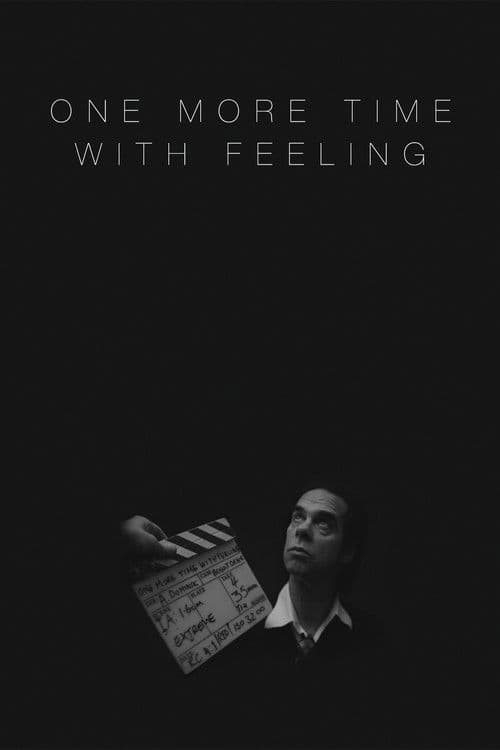
Andrew Dominik's One More Time With Feeling is a remarkable black and white documentary which chronicles the creation of Nick Cave & The Bad Seeds' album Skeleton Tree. Originally a performance based concept, the film evolved into something much more significant as Dominik delved into the tragic backdrop of the writing and recording of the album. The result is stark, fragile and raw, and a true testament to an artist trying to find his way through the darkness. It documents the writing, recording and performing of Nick Cave & the Bad Seeds’ sixteenth studio album, Skeleton Tree.
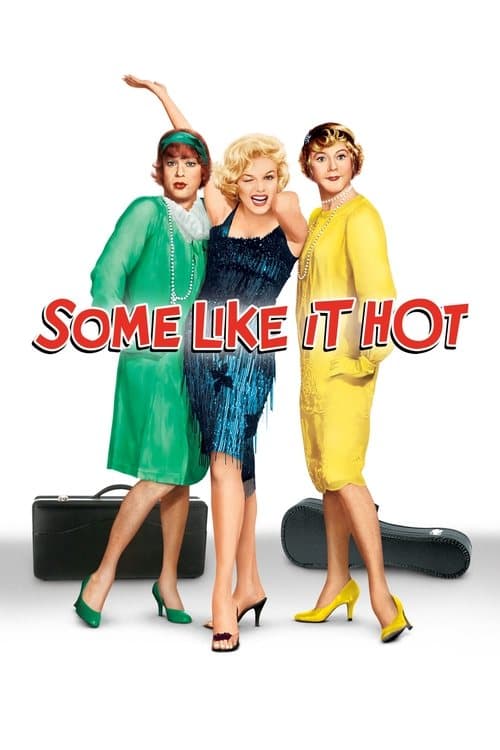
In Prohibition-era Chicago, musicians Joe and Jerry witness a mob hit, and flee the state in an all-female band disguised as Josephine and Daphne, but further complications set in.

Exploring every facet of ‘Weird Al’ Yankovic’s life, from his meteoric rise to fame with early hits like ‘Eat It’ and ‘Like a Surgeon’ to his torrid celebrity love affairs and famously depraved lifestyle, this biopic takes audiences on a truly unbelievable journey through Yankovic’s life and career, from gifted child prodigy to the greatest musical legend of all time.
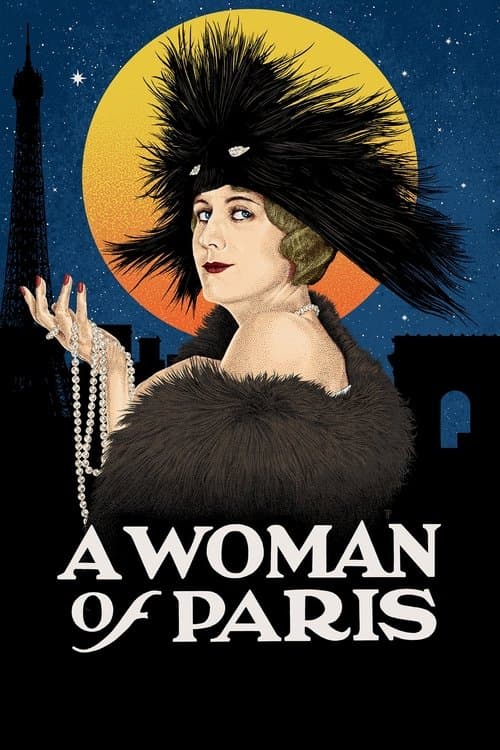
When Marie St. Clair believes she has been jilted by her artist fiance Jean, she decides to leave for Paris on her own. After spending a year in the city as a mistress of the wealthy Pierre Revel, she is reunited with Jean by chance. This leaves her with the choice between a glamorous life in Paris, and the true love she left behind.
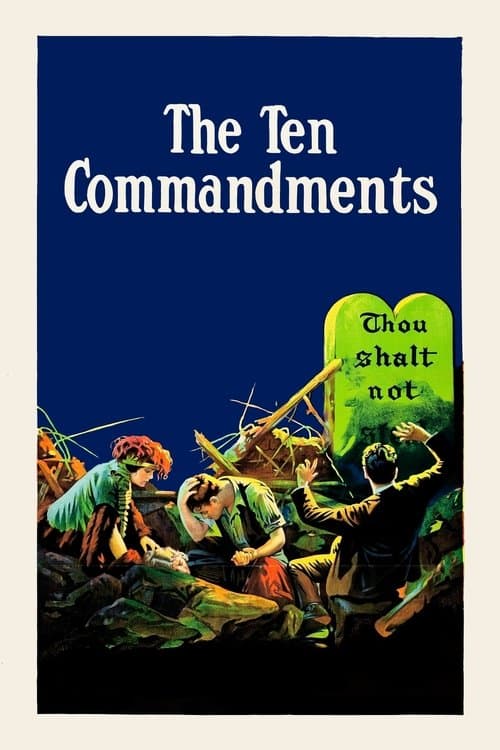
The first part tells the story of Moses leading the Jews from Egypt to the Promised Land, his receipt of the tablets and the worship of the golden calf. The second part shows the efficacy of the commandments in modern life through a story set in San Francisco. Two brothers, rivals for the love of Mary, also come into conflict when John discovers Dan used shoddy materials to construct a cathedral.