23% Match
Toto and the Women(1952)
Movie6.8/10
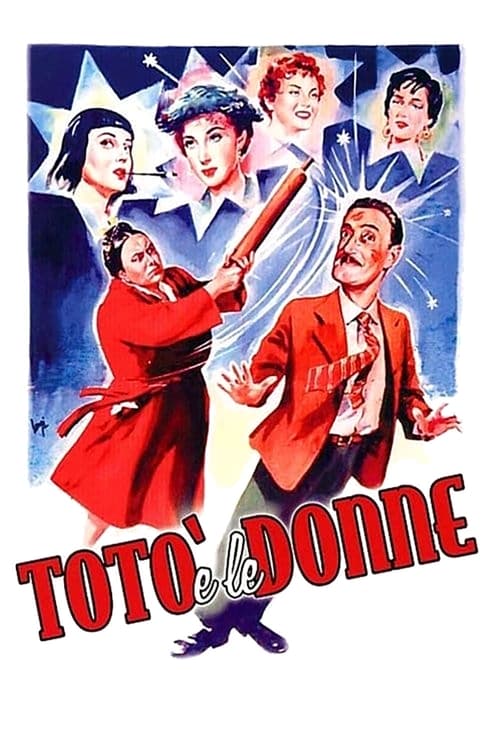
Antonio Scaparro (Toto) is obsessed for women. He invents his own way to hide from them - in the attic of his house.
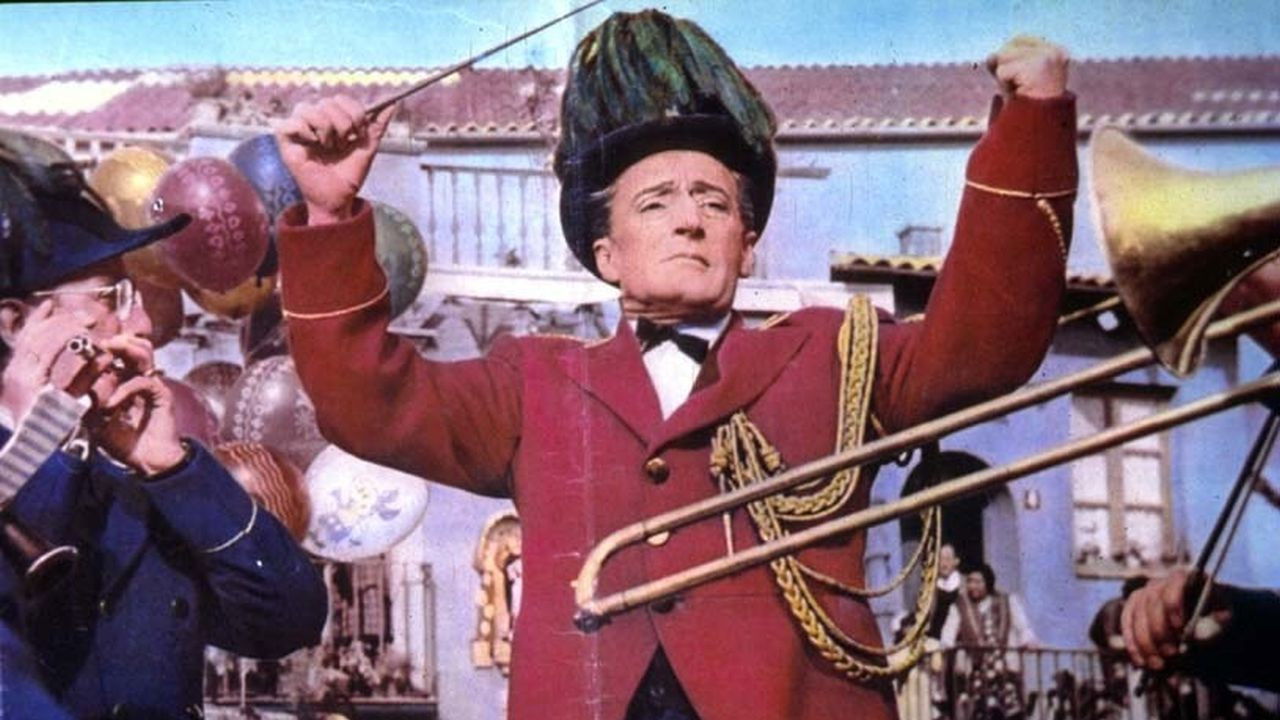
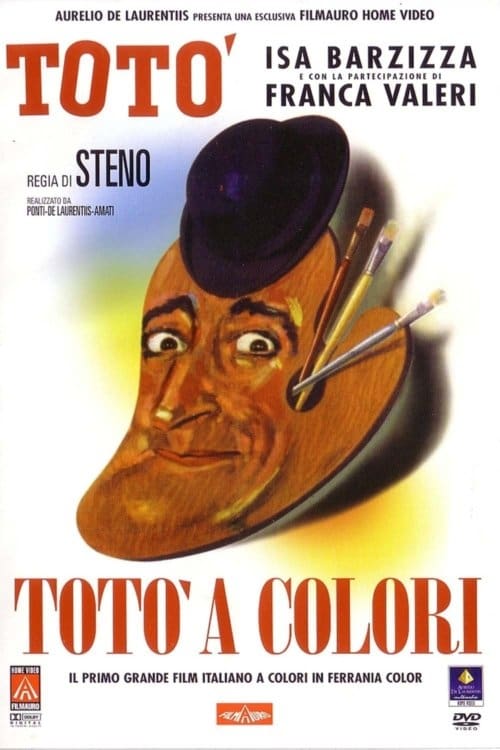
In the first Italian film to be shot in color, Totò portrays a musician named Antonio Scannagatti who strongly hopes to sell his composition, "Epopea italiana", to Tiscordi, who is one of the most important Italian impresarios.
Totò
Antonio Scannagatti
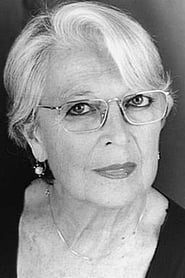
Isa Barzizza
La signorina nel vagone letto
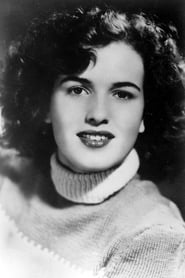
Fulvia Franco
Poppy
Rocco D'Assunta
Il cognato siciliano
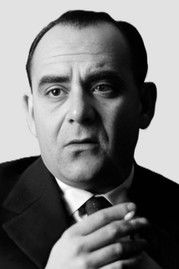
Vittorio Caprioli
Il tenore balbuziente

Virgilio Riento
Tiburzi
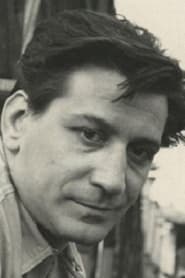
Alberto Bonucci
Il regista russo
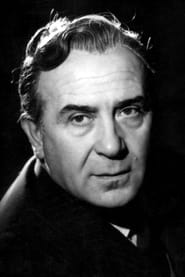
Luigi Pavese
Tiscordi
Anna Vita
Un'esistenzialista
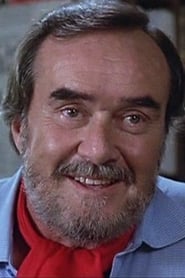
Galeazzo Benti
Poldo
Totó in color is a comedy film released in 1952. Directed by Steno, it stars Totò, Isa Barzizza, Fulvia Franco. In the first Italian film to be shot in color, Totò portrays a musician named Antonio Scannagatti who strongly hopes to sell his composition, "Epopea italiana", to Tiscordi, who is one of the most important Italian impresarios.
Discover titles like Totó in color — ranked by similarity and community votes
We found 15 movies similar to Totó in color
If you enjoyed Totó in color, you'll love these handpicked recommendations. Each title below shares similar themes, tone, and storytelling style. Our algorithm analyzes genres, keywords, director filmography, and cast connections to find the closest matches. Whether you're looking for the same emotional depth, narrative structure, or visual style, these picks are curated to deliver the best viewing experience for fans of Totó in color.
Antonio Scaparro (Toto) is obsessed for women. He invents his own way to hide from them - in the attic of his house.
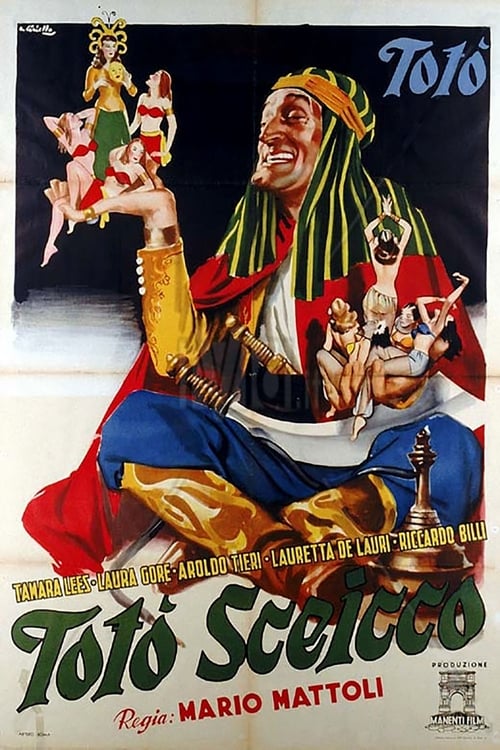
Antonio is the humble servant of a rich family governed by the Marquis Gastone. He is a young man madly in love with Lulu, but she betrays him, and he desperately enlist in the foreign legion.
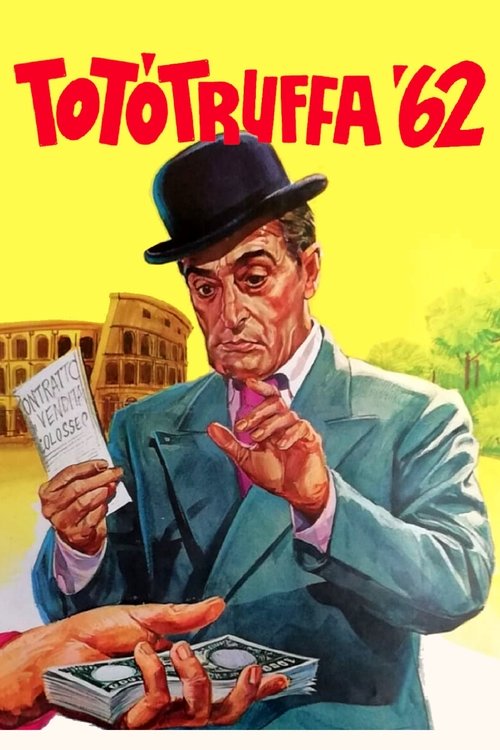
Antonio, a former variety actor, keeps his daughter in an excellent boarding school by organizing small scams with his friend and colleague Felice. Commissioner Malvasia good-naturedly persecuted him. When their respective unsuspecting children fall in love, the two fathers make peace.

A satire on the American film "The Exorcist," but with an Italian twist.
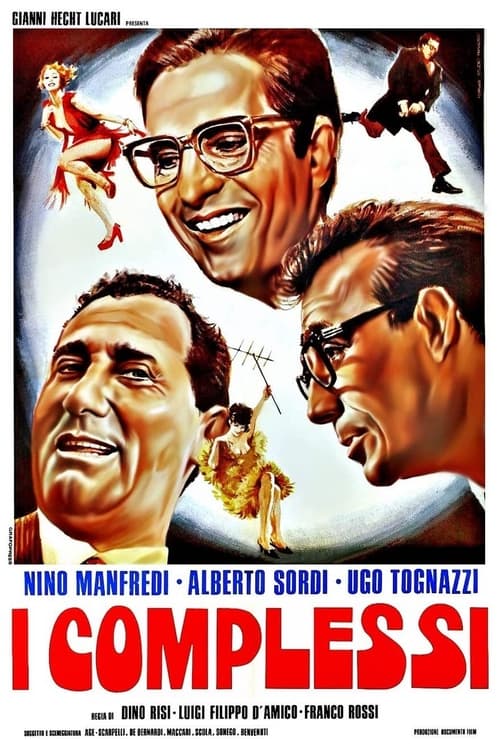
In the first episode, Quirino tries to conquer co-worker Gabriella. In the second episode, Prof. Beozi ends up in a raid of the police in a local for homosexuals when trying to avoid a scandal. In the third episode, Guglielmo passes all tests in order to become reader of the television news brilliantly, although the commission works with all subtleness's to exclude him.

An anthology presents three storylines, all set in the Italian town of Treviso: A husband pretends to be impotent as a cover for having an affair; a bank clerk abandons his wife for his mistress, but the rest of the town's husbands become jealous and unite to conspire against them; and local men all seduce a promiscuous young woman, but when her father eventually reveals that she is underage, they all face prosecution for statutory rape.
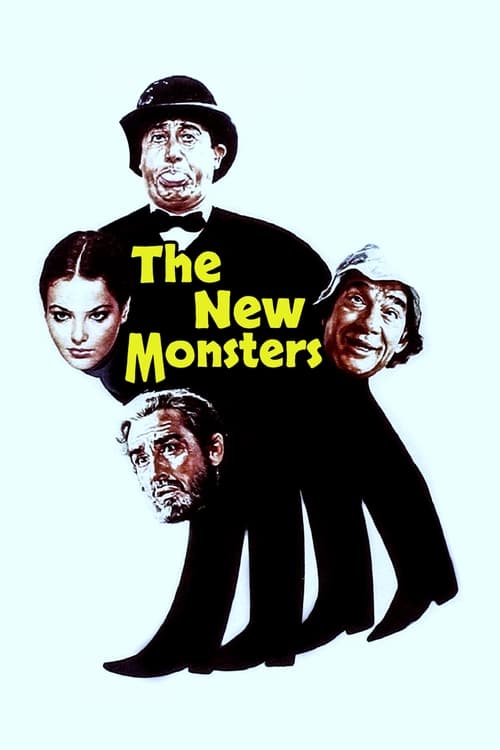
A comedy film composed of 14 episodes. It is a sequel to I mostri, made in 1963. 1. The Finch of Val Padouan (Ettore Scola) - 2. Tantum ergo (Dino Risi) - 3. Hitchhiking (Mario Monicelli) - 4. Kidnapping of a Beloved Person (Ettore Scola) - 5. First Aid (Mario Monicelli) - 6. Big Boy to His Little Mother (Dino Risi) - 7. Model Citizen (Ettore Scola) - 8. Pornodiva (Dino Risi) - 9. Like a Queen (Ettore Scola) - 10. Inn! (Ettore Scola) - 11. Without Words (Dino Risi) - 12. The Funeral Oration (Ettore Scola)
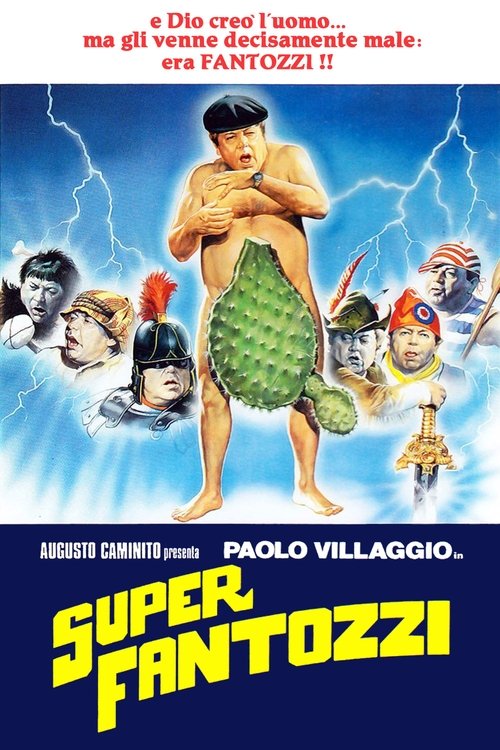
Superfantozzi (1986) is an Italian film from 1986. It is the fifth film in the saga of the unlucky clerk Ugo Fantozzi, played by its creator, Paolo Villaggio. In this film, Fantozzi is portrayed in a surreal historical journey, from Genesis to 1980s.

The third film in the saga of the unlucky clerk Ugo Fantozzi, played by its creator, Paolo Villaggio.
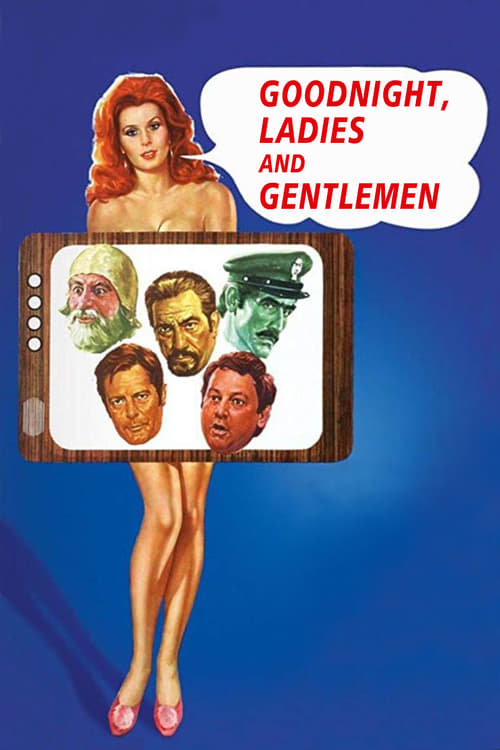
An episodic satire of the political and social status of Italy in the seventies, through the shows of one day of a television channel.
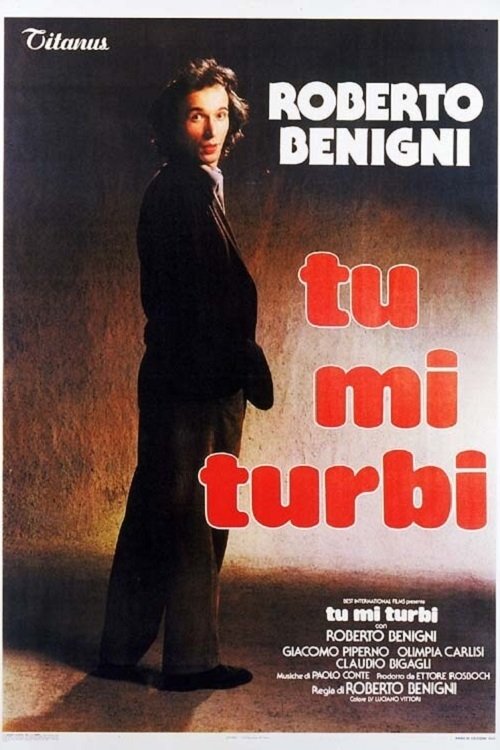
The first movie directed by Roberto Benigni in four surreal short stories: "Durante Cristo" (During Christ), "Angelo" (Angel), , "In Banca" (At the Bank) and "I Due Militi" (The Two Soldiers). An excursus in Benigni's satirical views on man, religion and society.
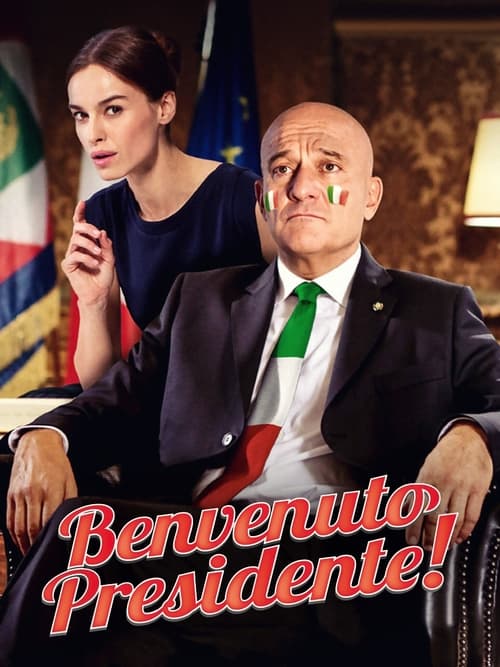
In a small mountain village lives a man with a challenging name, Giuseppe Garibaldi (one of Italy's "fathers of the fatherland"), but everybody call him with the nickname Peppino. Love fishing, the company of friends, the library where he works as a precarious employee. He is an optimistic person even if his child accuse him of being a wannabe. One day, due to a mess of politicians, an amazing thing happens: Peppino is mistakenly elected President of the Italian Republic. Pulled out from his quiet life, is to play a role for which he knows he is obviously inappropriate, but his common sense and his instinctive gestures are incredibly effective, except for the etiquette, for which he is in trouble. The inflexible and fascinating Deputy Secretary General of the Presidency of the Republic, Janis Clementi, is anxious to no avail in an attempt to regulate the unpredictable actions of the President...
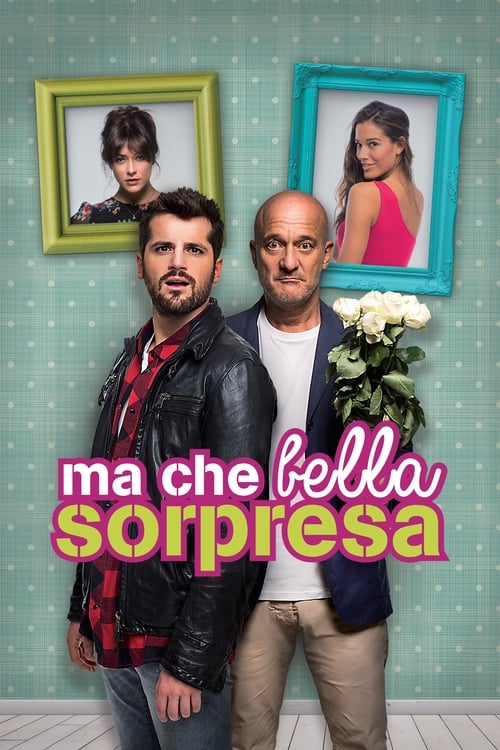
High school professor Guido is a hopeless romantic whose life falls apart after his girlfriend leaves him. Paolo, a former student of his, helps him in getting out of his depression for a better chance to become a PE teacher himself.
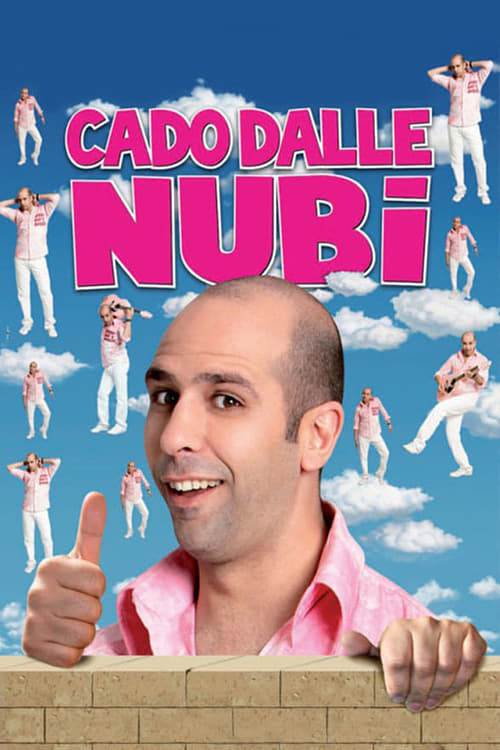
An aspiring singer from southern Italy who's just been dumped moves north to Milan, where he falls in love and enters a TV singing competition show.
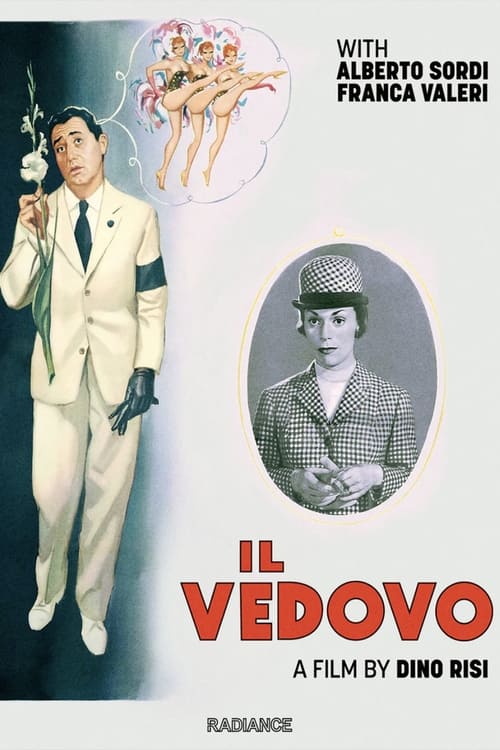
Alberto Nardi is a Roman businessman who fancies himself a man of great capabilities, but whose factory teeters perennially on the brink of catastrophe. Alberto is married to a rich and successful businesswoman from Milan, Elvira Almiraghi who has a no-nonsense attitude and barely tolerates the attempts of her husband to keep his factory afloat with her money.