41% Match
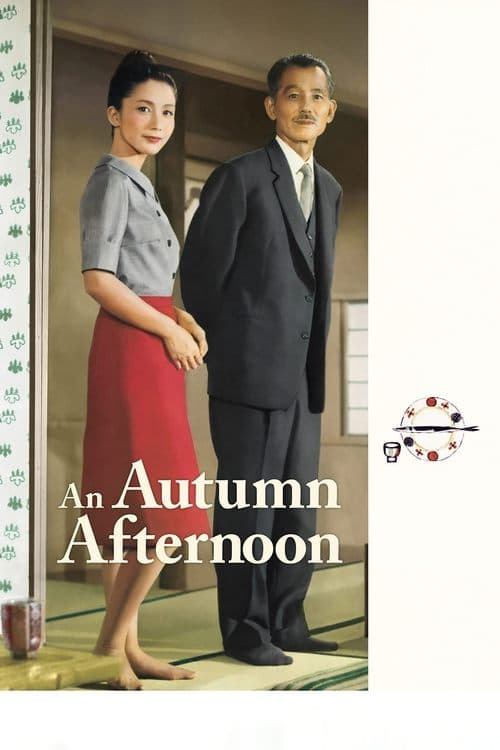
An Autumn Afternoon(1962)
Movie7.9/10
Shuhei Hirayama is a widower with a 24-year-old daughter. Gradually, he comes to realize that she should not be obliged to look after him for the rest of his life, so he arranges a marriage for her.
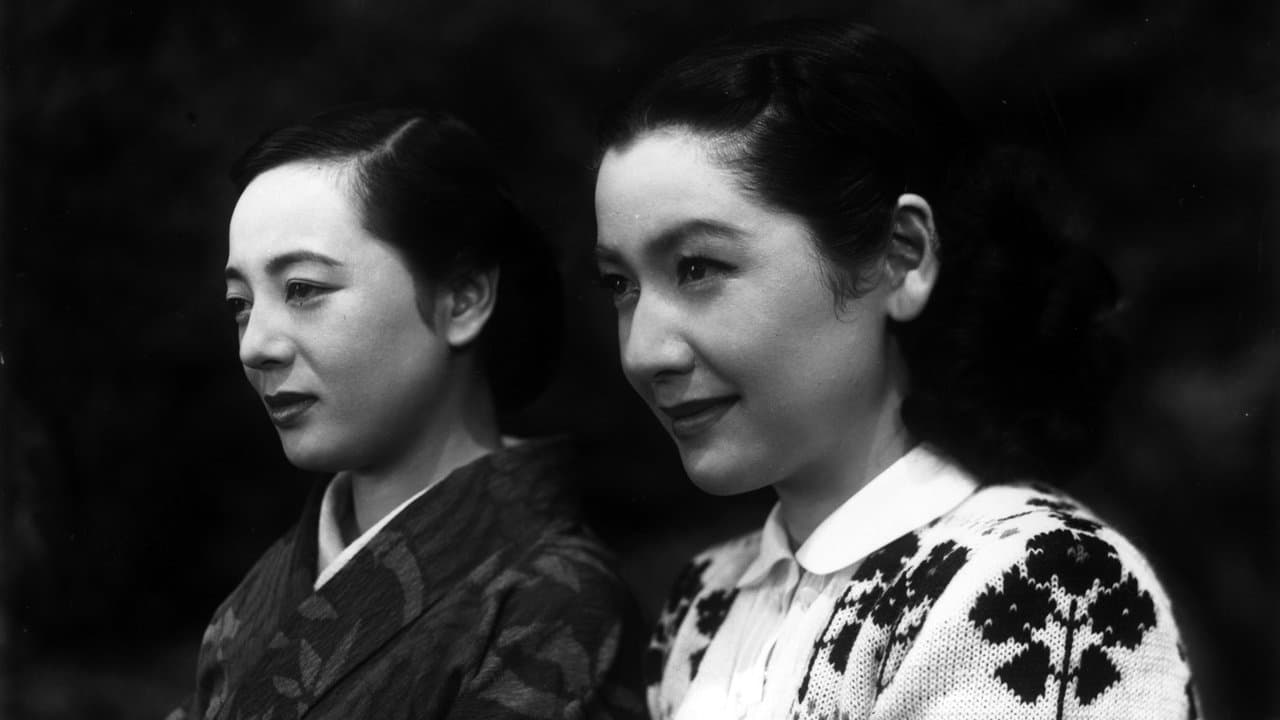
A 28-year-old single woman is pressured to marry.

Setsuko Hara
Noriko Mamiya
Chishū Ryū
Koichi Mamiya

Chikage Awashima
Aya Tamura

Kuniko Miyake
Fumiko Mamiya
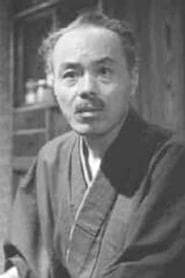
Ichirō Sugai
Shukichi Mamiya
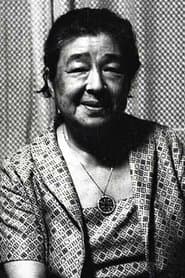
Chieko Higashiyama
Shige Mamiya
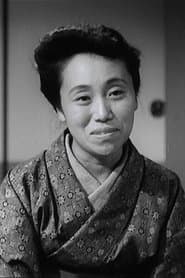
Haruko Sugimura
Tami Yabe
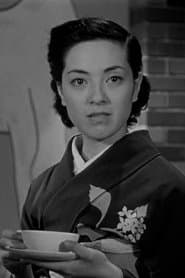
Kuniko Igawa
Takako
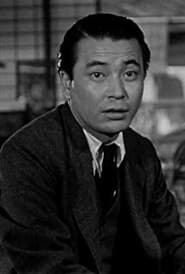
Hiroshi Nihon'yanagi
Kenkichi Yabe
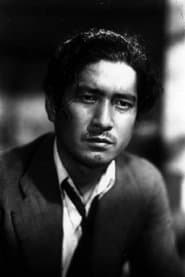
Shūji Sano
Sotaro Satake
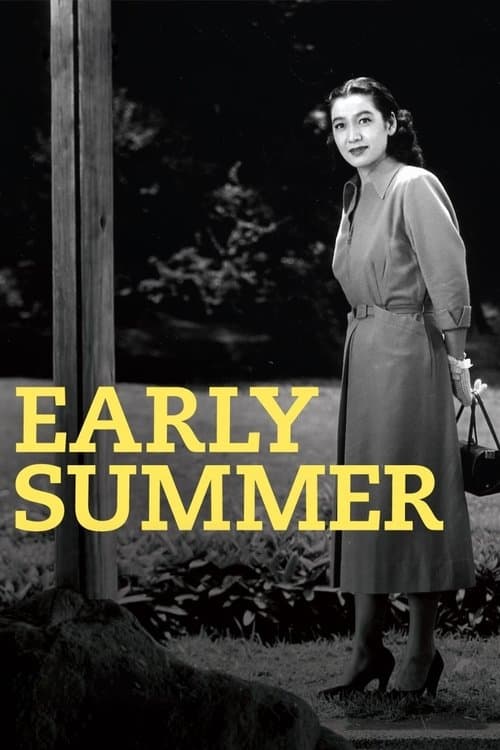
Early Summer is a drama film released in 1951 exploring themes of marriage proposal, family relationships, matchmaking, tokyo, japan, post world war ii, post war japan. Directed by Yasujirō Ozu, it stars Setsuko Hara, Chishū Ryū, Chikage Awashima. A 28-year-old single woman is pressured to marry.
Discover titles like Early Summer — ranked by similarity and community votes
We found 15 movies similar to Early Summer
If you enjoyed Early Summer, you'll love these handpicked recommendations. Each title below shares similar themes, tone, and storytelling style. Our algorithm analyzes genres, keywords, director filmography, and cast connections to find the closest matches. Whether you're looking for the same emotional depth, narrative structure, or visual style, these picks are curated to deliver the best viewing experience for fans of Early Summer.
Shuhei Hirayama is a widower with a 24-year-old daughter. Gradually, he comes to realize that she should not be obliged to look after him for the rest of his life, so he arranges a marriage for her.
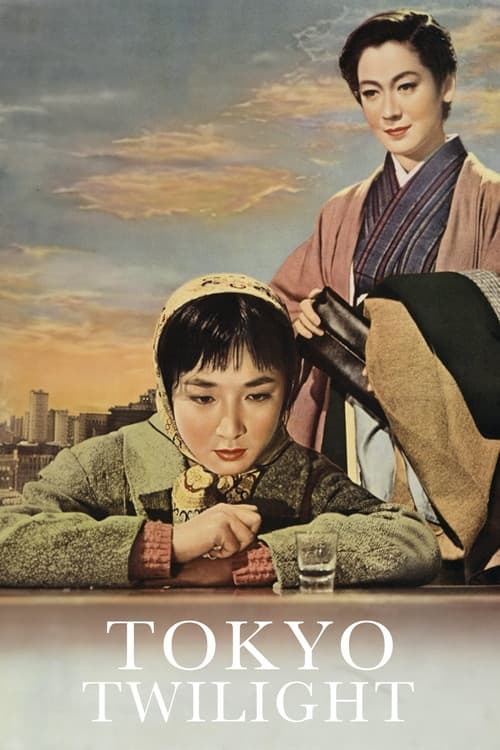
Two sisters find out the existence of their long-lost mother, but the younger cannot accept the fact that she was abandoned as a child.
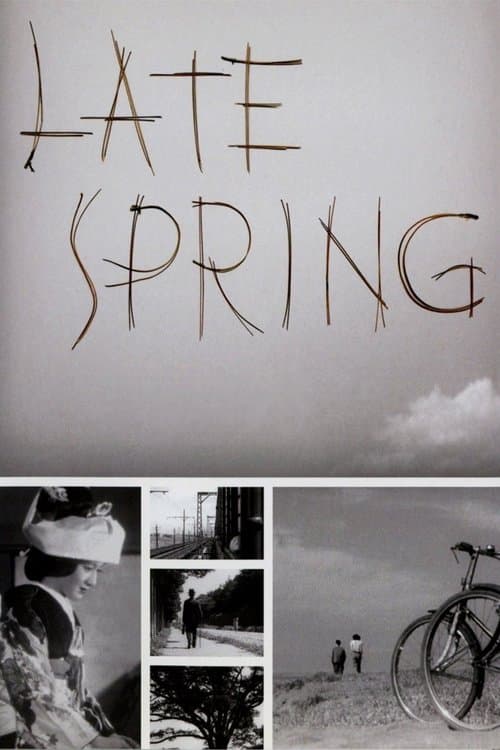
Noriko is perfectly happy living at home with her widowed father, Shukichi, and has no plans to marry -- that is, until her aunt Masa convinces Shukichi that unless he marries off his 27-year-old daughter soon, she will likely remain alone for the rest of her life. When Noriko resists Masa's matchmaking, Shukichi is forced to deceive his daughter and sacrifice his own happiness to do what he believes is right.
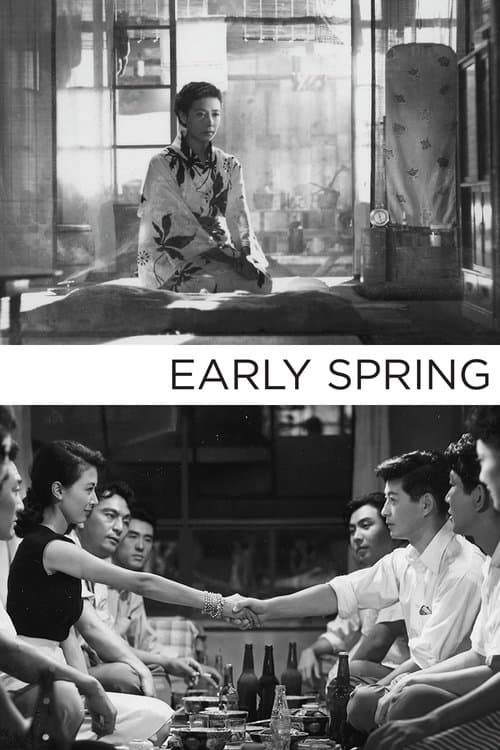
A young Tokyo salary man and his wife struggle within the confines of their passionless relationship while he has an extramarital affair.
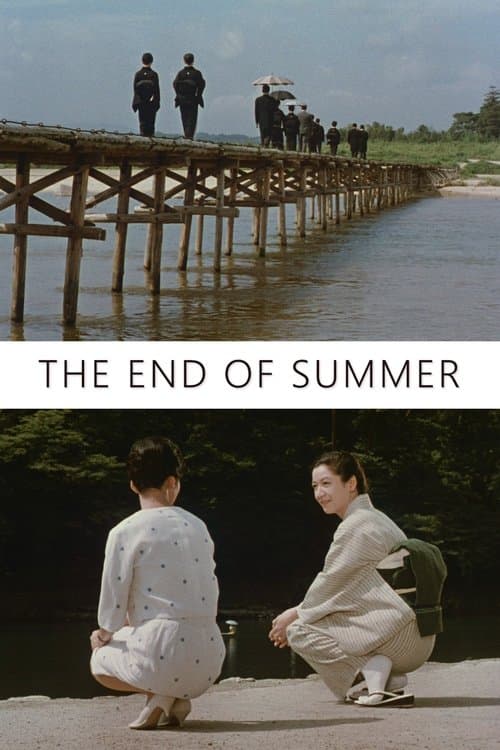
The family of an older man who runs a small sake brewery become concerned with his finances and his health after they discover him visiting an old mistress from his youth.
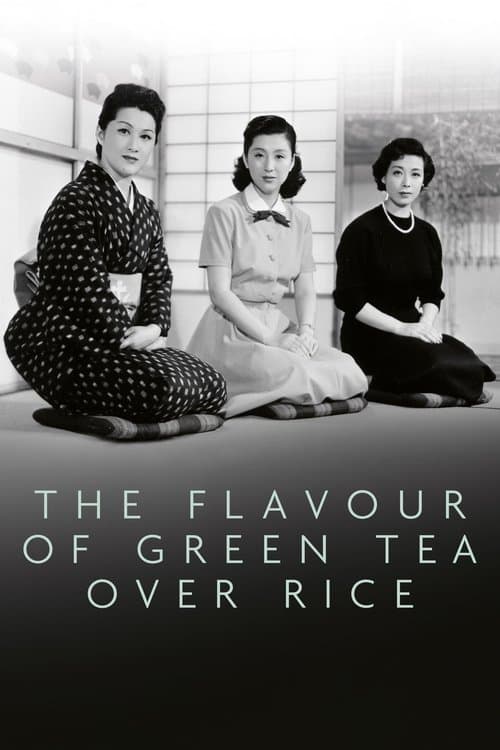
The arranged marriage between a capricious woman from Tokyo high society and a quiet and rustic man is tested by a marital crisis.
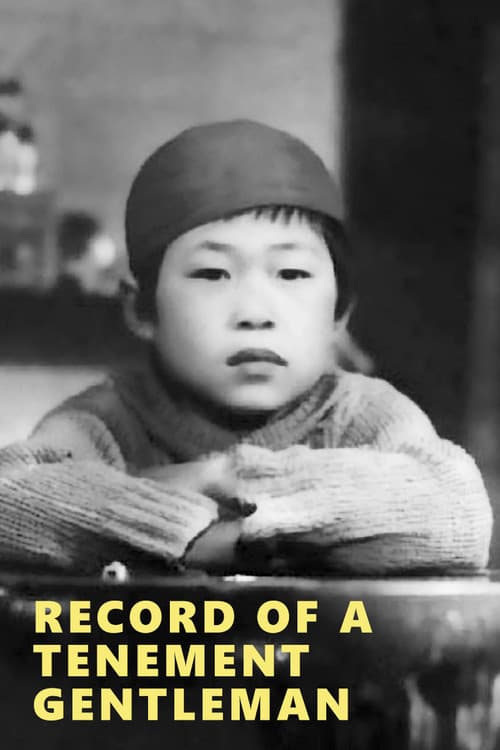
An errant salaryman's son gets lost until a man from the Tokyo tenements brings him to vendor Tane, who's reluctant to let the kid board.
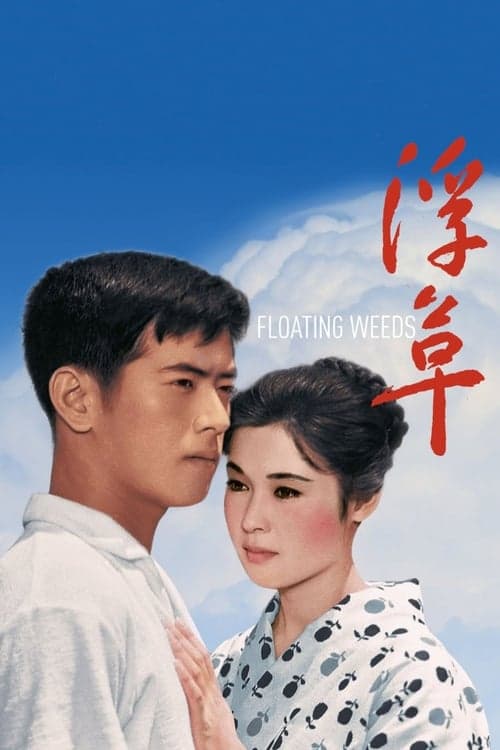
When a theater troupe's master visits his old flame, he unintentionally sets off a chain of unexpected events with devastating consequences.
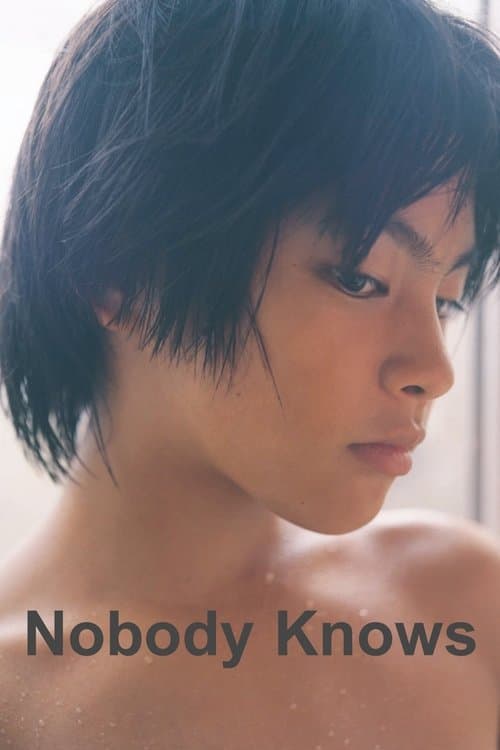
In a small Tokyo apartment, twelve-year-old Akira must care for his younger siblings after their mother leaves them and shows no sign of returning.
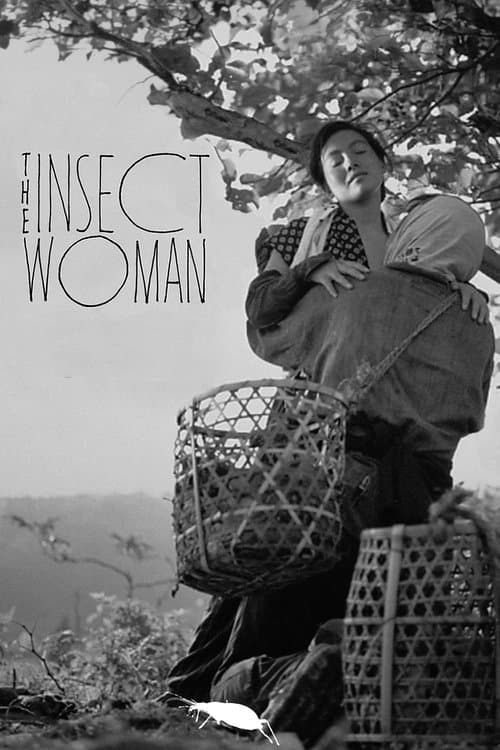
A woman, Tome, is born to a lower class family in Japan in 1918. The title refers to an insect, repeating its mistakes, as in an infinite circle. Imamura, with this metaphor, introduces the life of Tome, who keeps trying to change her poor life.
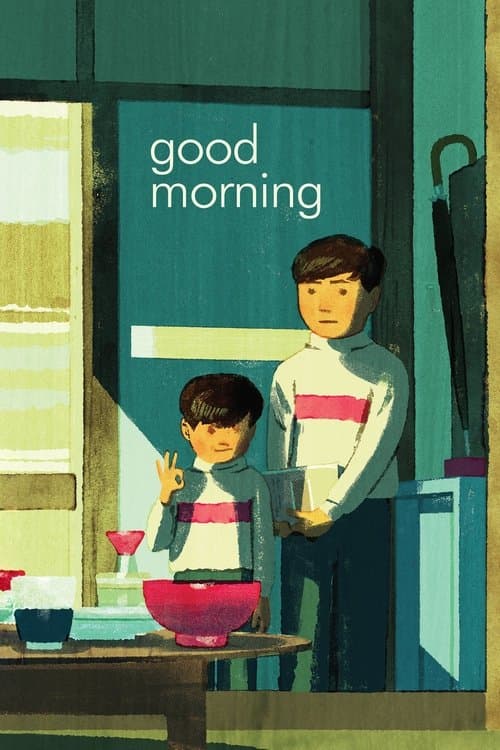
A lighthearted take on director Yasujiro Ozu’s perennial theme of the challenges of intergenerational relationships, Good Morning tells the story of two young boys who stop speaking in protest after their parents refuse to buy a television set. Ozu weaves a wealth of subtle gags through a family portrait as rich as those of his dramatic films, mocking the foibles of the adult world through the eyes of his child protagonists. Shot in stunning color and set in a suburb of Tokyo where housewives gossip about the neighbors’ new washing machine and unemployed husbands look for work as door-to-door salesmen, this charming comedy refashions Ozu’s own silent classic I Was Born, But . . . to gently satirize consumerism in postwar Japan.
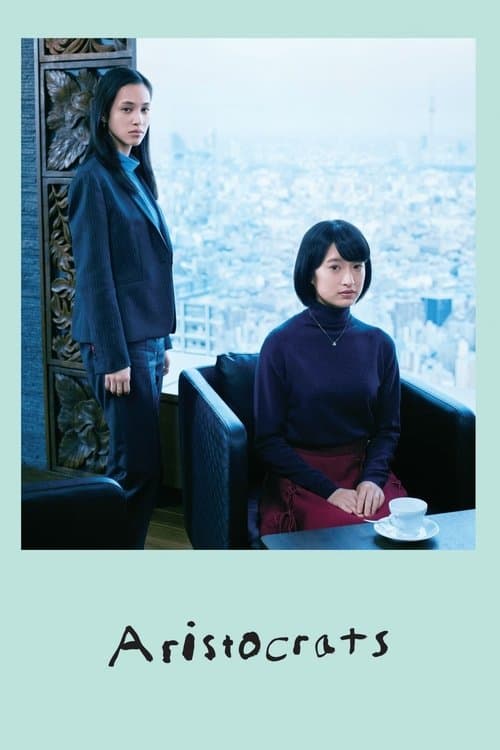
Hanako Haibara was born and raised in the city of Tokyo. After she gets dumped by her boyfriend, while in her late 20's, she goes on blind dates to find a man to marry. Miki Tokioka was born in a province. She studied very hard and entered a prestigious university in Tokyo. She experienced difficult financial times, but she now works at an IT company. Due to a man, Hanako Haibara and Miki Tokioka meet each other.

Ryota is an unpopular writer although he won a literary award 15 years ago. Now, Ryota works as a private detective. He is divorced from his ex-wife Kyoko and he has an 11-year-old son Shingo. His mother Yoshiko lives alone at her apartment. One day, Ryota, his ex-wife Kyoko, and son Shingo gather at Yoshiko's apartment. A typhoon passes and the family must stay there all night long.

Prostitutes in burnt out Tokyo ghetto of post-WWII Japan peddle their flesh and save one-third of their money for a proposed dancehall to be named Paradise. The hookers live in a bombed-out building, but they accept the precarious situation with typical resolve.

Two broke sweethearts wander war-scarred Tokyo on a single Sunday, stretching 35 yen as they chase housing, small pleasures, and a little hope.