SimilarScreen
Man with a Movie Camera

Man with a Movie Camera

The Greatest Documentary Ever Made

19297.81h 8m

Overview

A cameraman wanders around with a camera slung over his shoulder, documenting urban life with dazzling inventiveness.

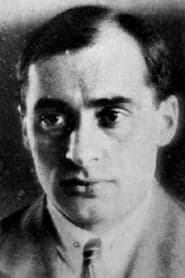
Directed by Dziga Vertov
Written by Dziga Vertov
Produced by Star Mishkel-Eneva
0

Top Cast

Mikhail Kaufman

Mikhail Kaufman

The Cameraman

Themes & Keywords

soviet unionodessa, ukraineblack and whitemontagesilent filmcameramanmoscow, russia1920skyiv (kiev), ukrainecity symphonysoviet realismsemi-fictiondocufictionkharkiv (kharkov), ukrainecritical

About Man with a Movie Camera

Man with a Movie Camera is a documentary film released in 1929 exploring themes of soviet union, odessa, ukraine, black and white, montage, silent film, cameraman. Directed by Dziga Vertov, it stars Mikhail Kaufman. A cameraman wanders around with a camera slung over his shoulder, documenting urban life with dazzling inventiveness.

Movies Similar to Man with a Movie Camera

Discover titles like Man with a Movie Camera — ranked by similarity and community votes

We found 12 movies similar to Man with a Movie Camera

If you enjoyed Man with a Movie Camera, you'll love these handpicked recommendations. Each title below shares similar themes, tone, and storytelling style. Our algorithm analyzes genres, keywords, director filmography, and cast connections to find the closest matches. Whether you're looking for the same emotional depth, narrative structure, or visual style, these picks are curated to deliver the best viewing experience for fans of Man with a Movie Camera.

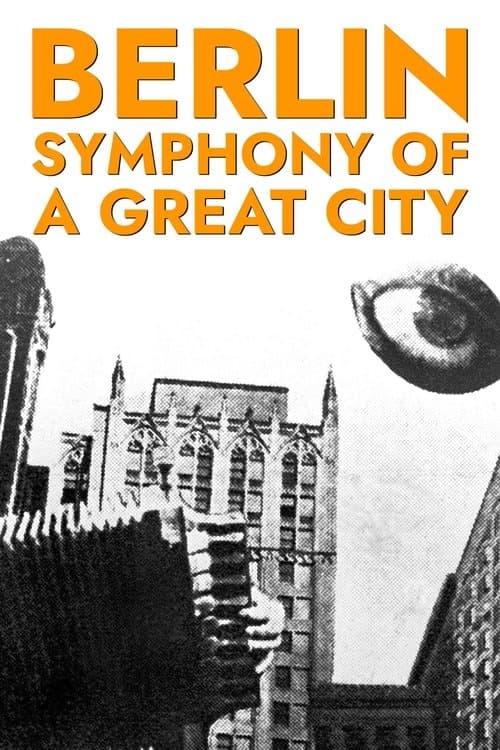
Berlin: Symphony of a Great City
24% Match

A day in the city of Berlin, which experienced an industrial boom in the 1920s, and still provides an insight into the living and working conditions at that time. Germany had just recovered a little from the worst consequences of the First World War, the great economic crisis was still a few years away and Hitler was not yet an issue at the time.

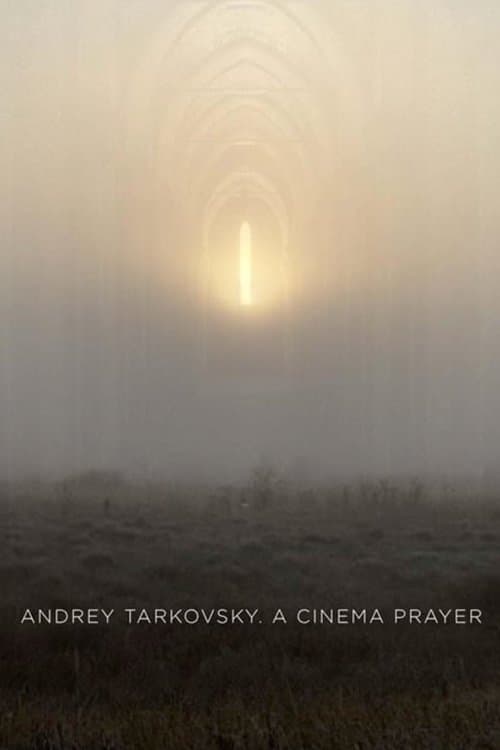
Andrey Tarkovsky. A Cinema Prayer
20% Match

An account of the life and work of Russian filmmaker Andrey Tarkovsky (1932-86) in his own words: his memories, his vision of art and his reflections on the fate of the artist and the meaning of human existence; through extremely rare audio recordings that allow a complete understanding of his inner life and the mysterious world existing behind his complex cinematic imagery.

The Act of Seeing with One's Own Eyes
16% Match

At a morgue, forensic pathologists conduct autopsies of the corpses assigned. "S. Brakhage, entering, WITH HIS CAMERA, one of the forbidden, terrific locations of our culture, the autopsy room. It is a place wherein, inversely, life is cherished, for it exists to affirm that no one of us may die without our knowing exactly why. All of us, in the person of the coroner, must see that, for ourselves, with our own eyes. It is a room full of appalling particular intimacies, the last ditch of individuation. Here our vague nightmare of mortality acquires the names and faces of OTHERS. This last is a process that requires a WITNESS; and what 'idea' may finally have inserted itself into the sensible world we can still scarcely guess, for the CAMERA would seem the perfect Eidetic Witness, staring with perfect compassion where we can scarcely bear to glance." – Hollis Frampton
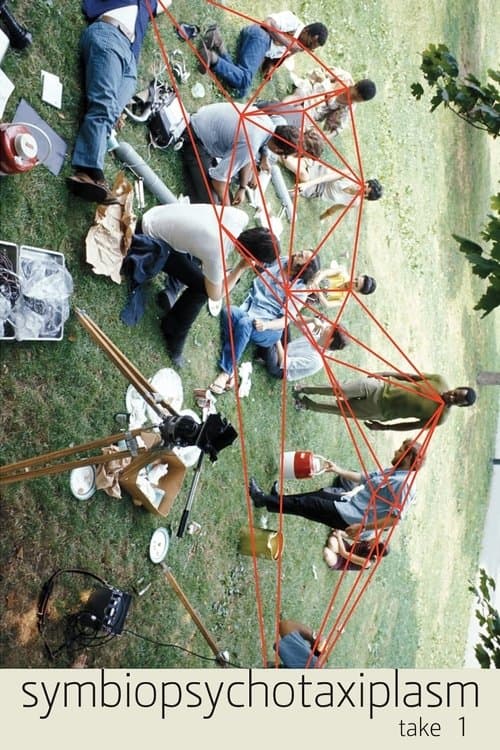
Symbiopsychotaxiplasm: Take One
16% Match

In Manhattan's Central Park, a film crew directed by William Greaves is shooting a screen test with various pairs of actors. It's a confrontation between a couple: he demands to know what's wrong, she challenges his sexual orientation. Cameras shoot the exchange, and another camera records Greaves and his crew. Sometimes we watch the crew discussing this scene, its language, and the process of making a movie. Is there such a thing as natural language? Are all things related to sex? The camera records distractions - a woman rides horseback past them; a garrulous homeless vet who sleeps in the park chats them up. What's the nature of making a movie?

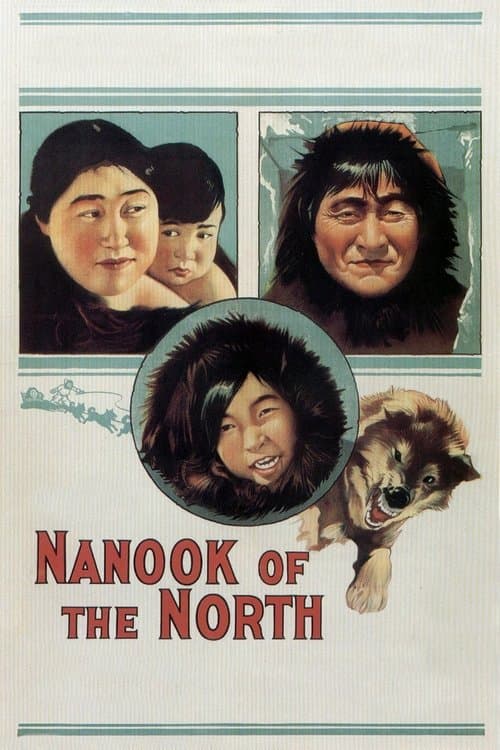
Nanook of the North
14% Match

This pioneering documentary film depicts the lives of the indigenous Inuit people of Canada's northern Quebec region. Although the production contains some fictional elements, it vividly shows how its resourceful subjects survive in such a harsh climate, revealing how they construct their igloo homes and find food by hunting and fishing. The film also captures the beautiful, if unforgiving, frozen landscape of the Great White North, far removed from conventional civilization.

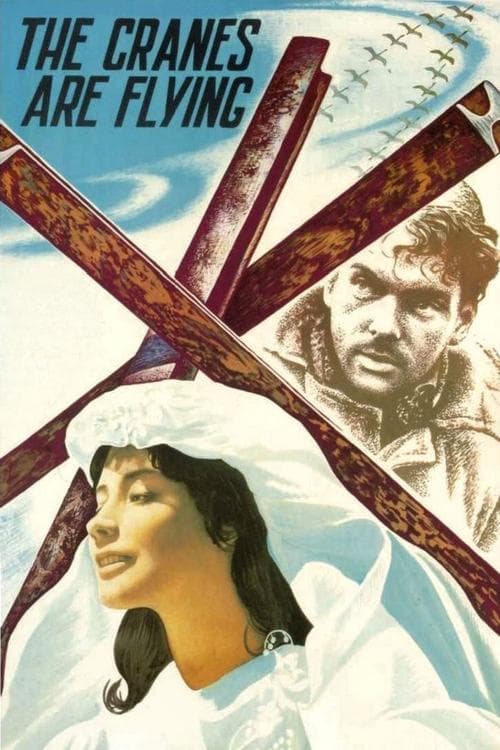
The Cranes Are Flying
9% Match

Veronika and Boris come together in Moscow shortly before World War II. Walking along the river, they watch cranes fly overhead, and promise to rendezvous before Boris leaves to fight. Boris misses the meeting and is off to the front lines, while Veronika waits patiently, sending letters faithfully. After her house is bombed, Veronika moves in with Boris' family, into the company of a cousin with his own intentions.

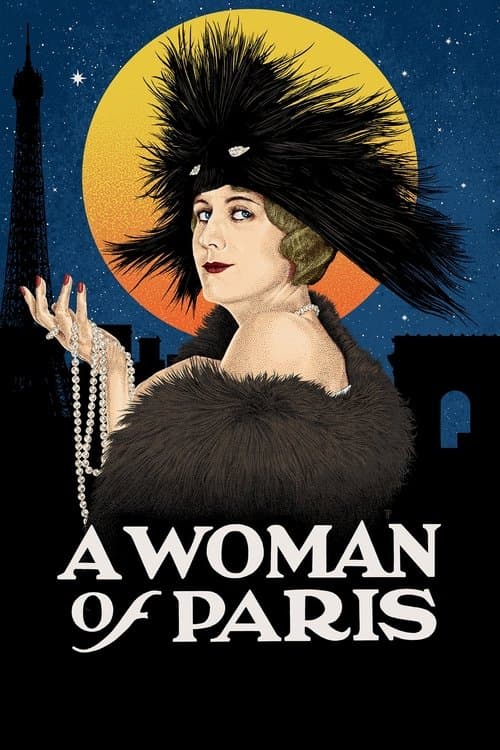
A Woman of Paris: A Drama of Fate
8% Match

When Marie St. Clair believes she has been jilted by her artist fiance Jean, she decides to leave for Paris on her own. After spending a year in the city as a mistress of the wealthy Pierre Revel, she is reunited with Jean by chance. This leaves her with the choice between a glamorous life in Paris, and the true love she left behind.

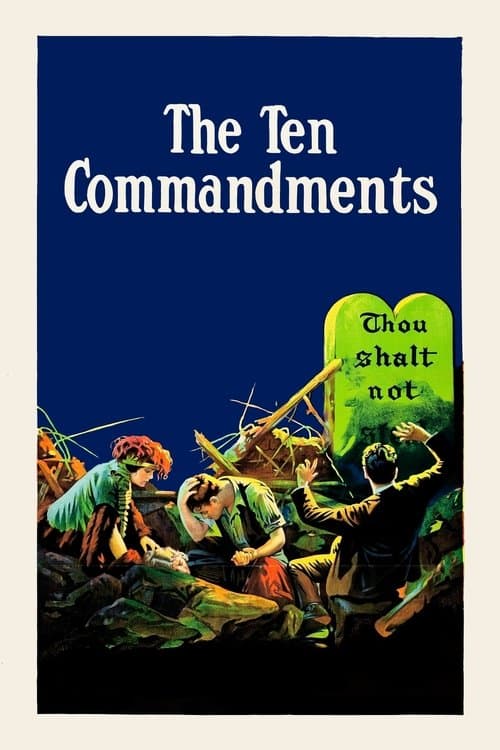
The Ten Commandments
8% Match

The first part tells the story of Moses leading the Jews from Egypt to the Promised Land, his receipt of the tablets and the worship of the golden calf. The second part shows the efficacy of the commandments in modern life through a story set in San Francisco. Two brothers, rivals for the love of Mary, also come into conflict when John discovers Dan used shoddy materials to construct a cathedral.