
48% Match
Rashomon(1950)
Movie8.0/10
Four people recount different versions of the story of a man's murder and the rape of his wife.
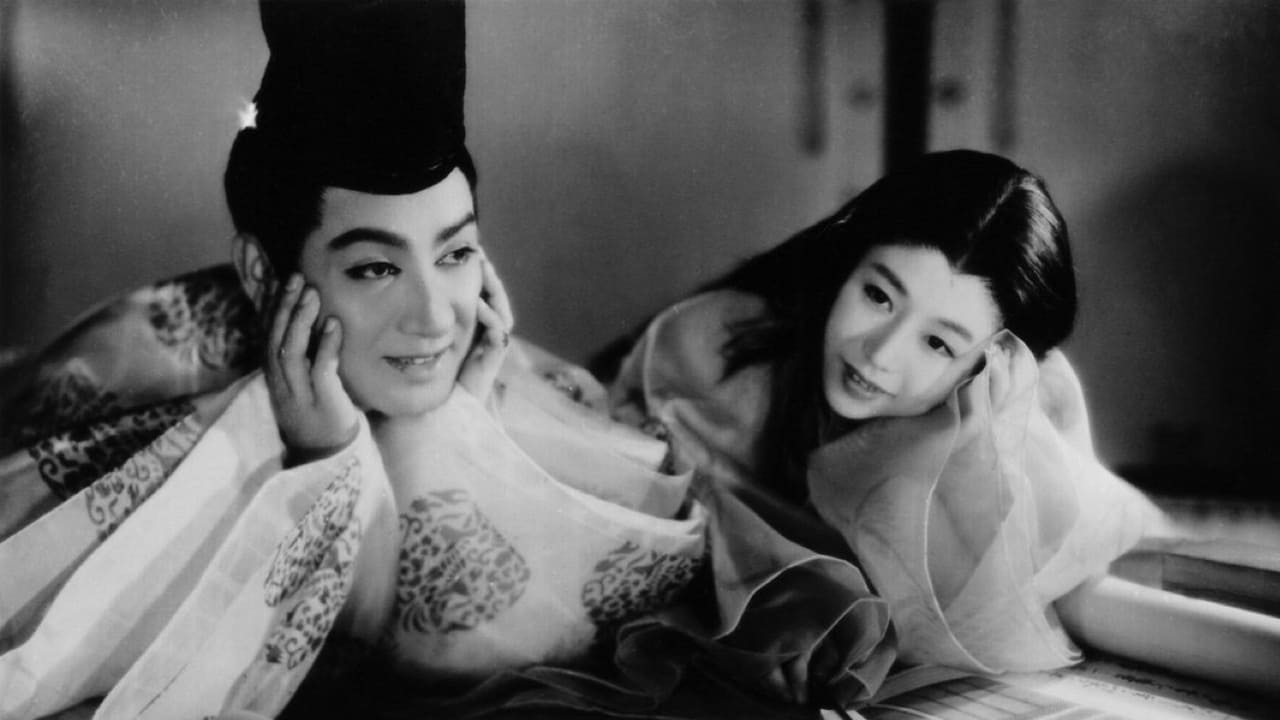

Genji, the illegitimate offspring of a Japanese potentate, goes by the philosophy of "love 'em and leave 'em" as a matter of course. Only when his heart is broken by Awaji does Genji realizes how much pain he himself has caused.
Kazuo Hasegawa
Hikaru Genji
Denjirō Ōkōchi
Takuma nyudo

Michiyo Kogure
Fujitsubo

Mitsuko Mito
Aoi no ue

Machiko Kyō
Awaji no ue
Nobuko Otowa
Murasaki no ue

Yūji Hori

Yumiko Hasegawa
Oborozukiyo

Chieko Sōma
Kiritsubo
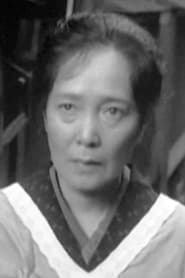
Yuriko Hanabusa
Kiritsubo's mother
The Tale of Genji is a drama film released in 1951 exploring themes of japan, jidaigeki, heian period. Directed by Kōzaburō Yoshimura, it stars Kazuo Hasegawa, Denjirō Ōkōchi, Michiyo Kogure. Genji, the illegitimate offspring of a Japanese potentate, goes by the philosophy of "love 'em and leave 'em" as a matter of course. Only when his heart is broken by Awaji does Genji realizes how much pain he himself has caused.
Discover titles like The Tale of Genji — ranked by similarity and community votes
We found 15 movies similar to The Tale of Genji
If you enjoyed The Tale of Genji, you'll love these handpicked recommendations. Each title below shares similar themes, tone, and storytelling style. Our algorithm analyzes genres, keywords, director filmography, and cast connections to find the closest matches. Whether you're looking for the same emotional depth, narrative structure, or visual style, these picks are curated to deliver the best viewing experience for fans of The Tale of Genji.
Four people recount different versions of the story of a man's murder and the rape of his wife.
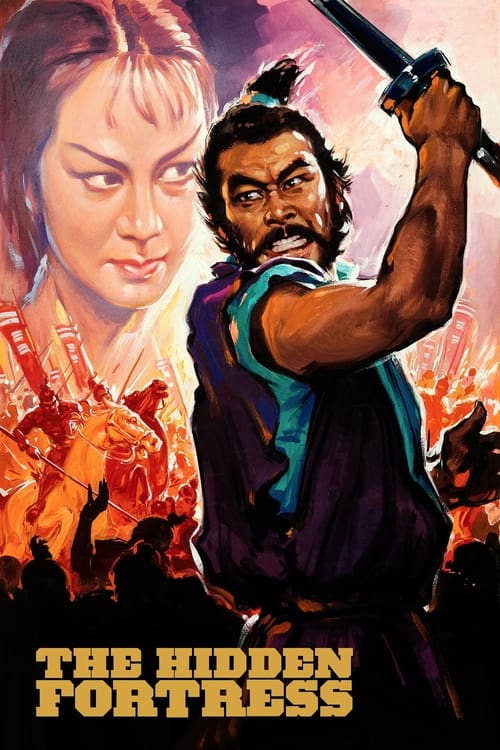
In feudal Japan, during a bloody war between clans, two cowardly and greedy peasants, soldiers of a defeated army, stumble upon a mysterious man who guides them to a fortress hidden in the mountains.
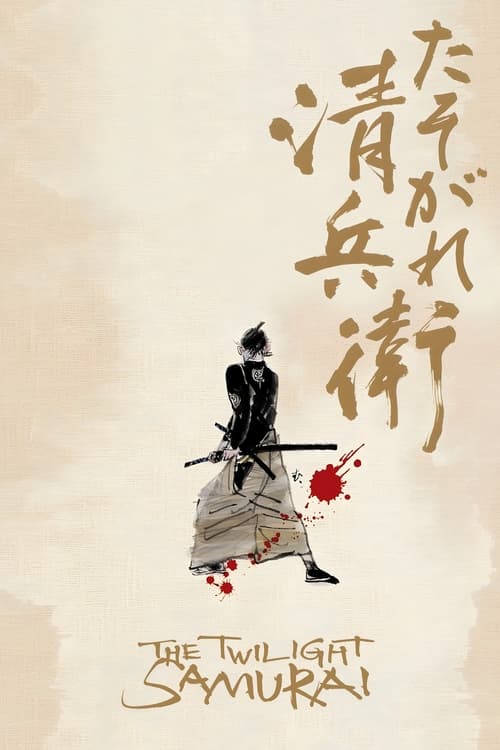
Seibei Iguchi leads a difficult life as a low ranking samurai at the turn of the nineteenth century. A widower with a meager income, Seibei struggles to take care of his two daughters and senile mother. New prospects seem to open up when the beautiful Tomoe, a childhood friend, comes back into he and his daughters' life, but as the Japanese feudal system unravels, Seibei is still bound by the code of honor of the samurai and by his own sense of social precedence. How can he find a way to do what is best for those he loves?

Set in 19th Century Japan a young samurai who finds himself in love with a farm girl leaves his home to begin a new life. He has to take stock of his new life when he is put to the test and ordered to kill a traitor who just happens to be his dearest friend.

In a small Tokyo apartment, twelve-year-old Akira must care for his younger siblings after their mother leaves them and shows no sign of returning.
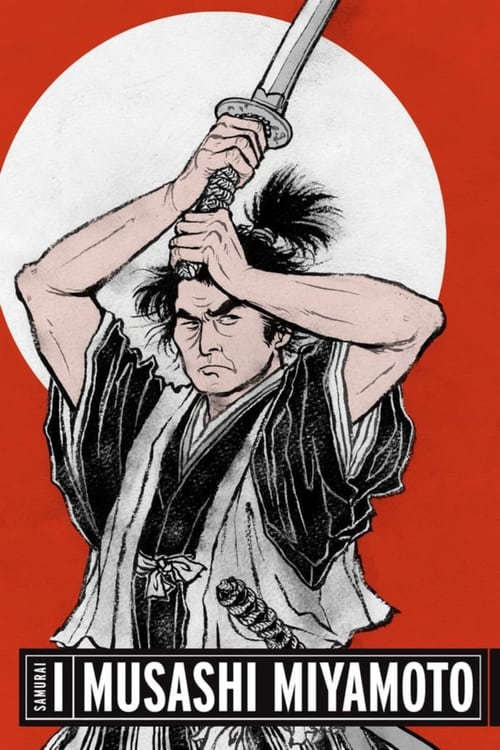
Struggling to elevate himself from his low caste in 17th century Japan, Miyamoto trains to become a mighty samurai warrior.

A passionate telling of the story of Sada Abe, a woman whose affair with her master led to an obsessive and ultimately destructive sexual relationship.

Dolls takes puppeteering as its overriding motif, which relates thematically to the action provided by the live characters. Chief among those tales is the story of Matsumoto and Sawako, a young couple whose relationship is about to be broken apart by the former's parents, who have insisted their son take part in an arranged marriage to his boss' daughter.
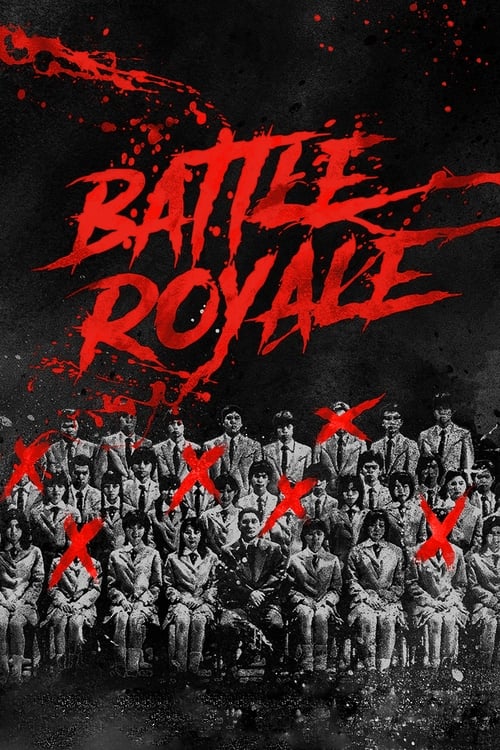
In the future, the Japanese government captures a class of ninth-grade students and forces them to kill each other under the revolutionary "Battle Royale" act.

The classic story of English POWs in Burma forced to build a bridge to aid the war effort of their Japanese captors. British and American intelligence officers conspire to blow up the structure, but Col. Nicholson, the commander who supervised the bridge's construction, has acquired a sense of pride in his creation and tries to foil their plans.

After finding out that her husband, Rudi, has a fatal illness, Trudi Angermeier arranges a trip to Berlin so they can see their children. Of course, the kids don't know the real reason they're visiting -- and the catch is, neither does Rudi...

Nathan Algren is an American hired to instruct the Japanese army in the ways of modern warfare, which finds him learning to respect the samurai and the honorable principles that rule them. Pressed to destroy the samurai's way of life in the name of modernization and open trade, Algren decides to become an ultimate warrior himself and to fight for their right to exist.

The summer of his high school freshman year, Hodaka runs away from his remote island home to Tokyo, and quickly finds himself pushed to his financial and personal limits. The weather is unusually gloomy and rainy every day, as if taking its cue from his life. After many days of solitude, he finally finds work as a freelance writer for a mysterious occult magazine. Then, one day, Hodaka meets Hina on a busy street corner. This bright and strong-willed girl possesses a strange and wonderful ability: the power to stop the rain and clear the sky.

In the years before World War II, a penniless Japanese child is torn from her family to work as a maid in a geisha house.

Akiko, a young woman, comes to Vladivostok to meet Matsunaga, a young businessman she has met in Tokyo only once. Akiko finally finds Matsunaga. However, he leaves her again, warning her not to trust strangers in a foreign country. She tries to follow him, but she is attacked by thugs and dumped on the outskirts of town.