47% Match
Samurai Rebellion(1967)
Movie8.2/10
The mother of a feudal lord's only heir is kidnapped by the lord. Her husband and his samurai father must decide whether to accept the unjust decision, or risk death to rescue her.
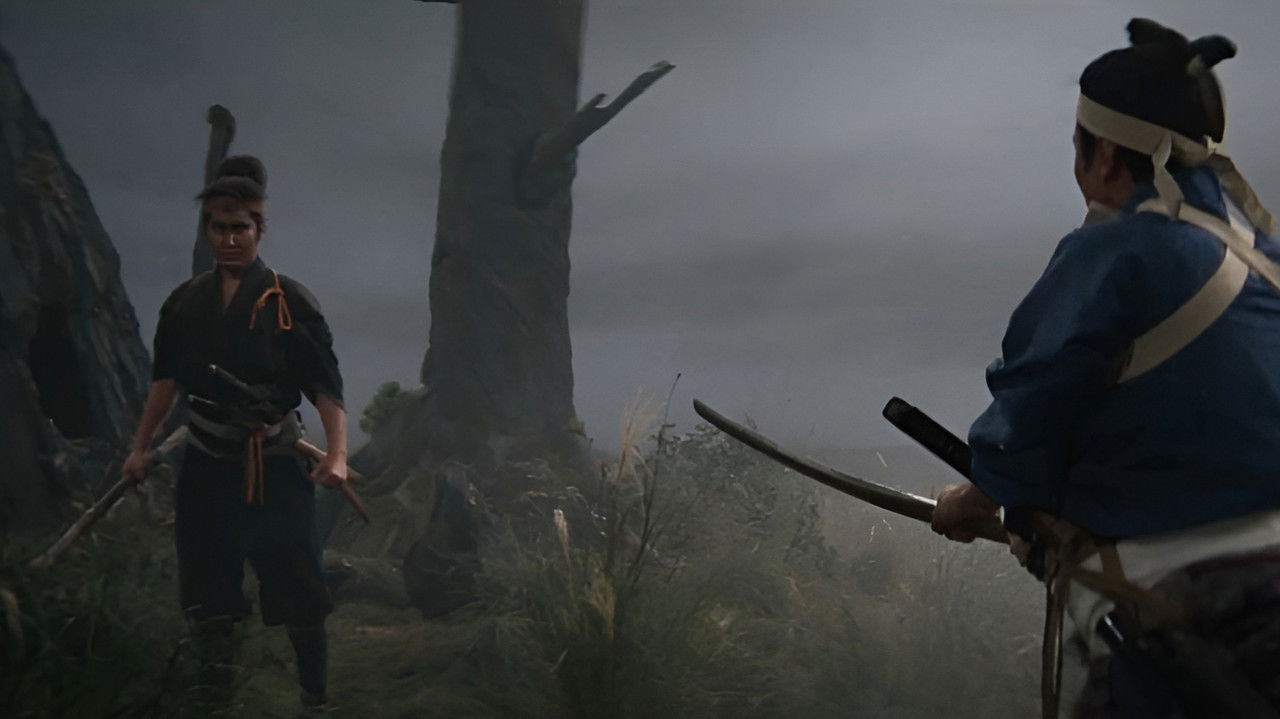
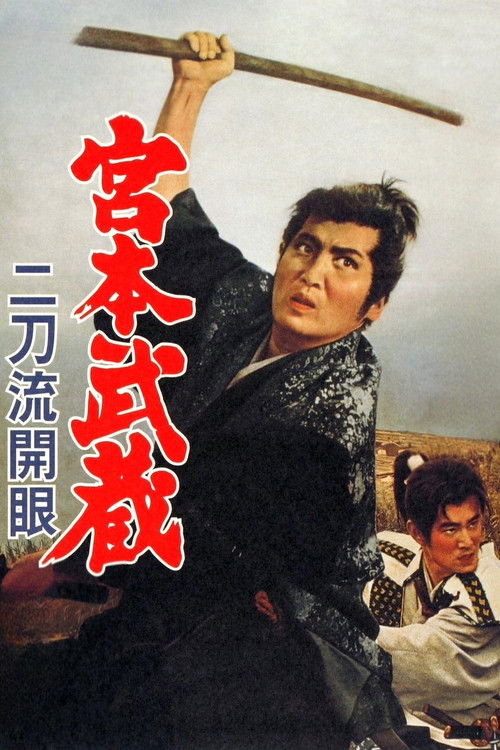
In the third installment of Yoshikawa's novel Musashi, things continue from the 2nd film at the end of battle, where Miyamoto continues on a mission of learning; with the introduction of his arch-rival Sasaki Kojiro; and lastly the large cast of characters rendezvouses for a fateful finale.
Kinnosuke Nakamura
Miyamoto Musashi / Takezo
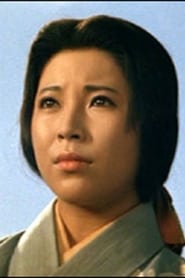
Wakaba Irie
Otsu
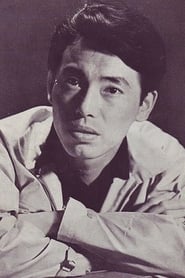
Isao Kimura
Hon'iden Matahachi
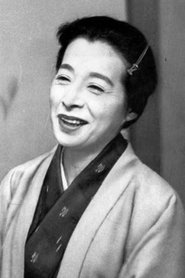
Chieko Naniwa
Osugi
Mitsuru Takeuchi
Jotaro
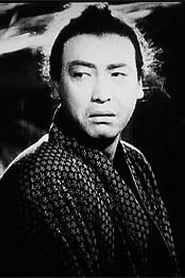
Kusuo Abe
Uncle

Michiyo Kogure
Oko

Satomi Oka
Akemi

Shinjirō Ehara
Yoshioka Seijuro

Mikijiro Hira
Yoshioka Denshichiro
Miyamoto Musashi III: Birth of Two Sword Style is a action, drama, history film released in 1963 exploring themes of jidaigeki, edo period, chanbara, miyamoto musashi. Directed by Tomu Uchida, it stars Kinnosuke Nakamura, Wakaba Irie, Isao Kimura. In the third installment of Yoshikawa's novel Musashi, things continue from the 2nd film at the end of battle, where Miyamoto continues on a mission of learning; with the introduction of his arch-rival Sasaki Kojiro; and lastly the large cast of characters rendezvouses for a fateful finale.
Discover titles like Miyamoto Musashi III: Birth of Two Sword Style — ranked by similarity and community votes
We found 15 movies similar to Miyamoto Musashi III: Birth of Two Sword Style
If you enjoyed Miyamoto Musashi III: Birth of Two Sword Style, you'll love these handpicked recommendations. Each title below shares similar themes, tone, and storytelling style. Our algorithm analyzes genres, keywords, director filmography, and cast connections to find the closest matches. Whether you're looking for the same emotional depth, narrative structure, or visual style, these picks are curated to deliver the best viewing experience for fans of Miyamoto Musashi III: Birth of Two Sword Style.
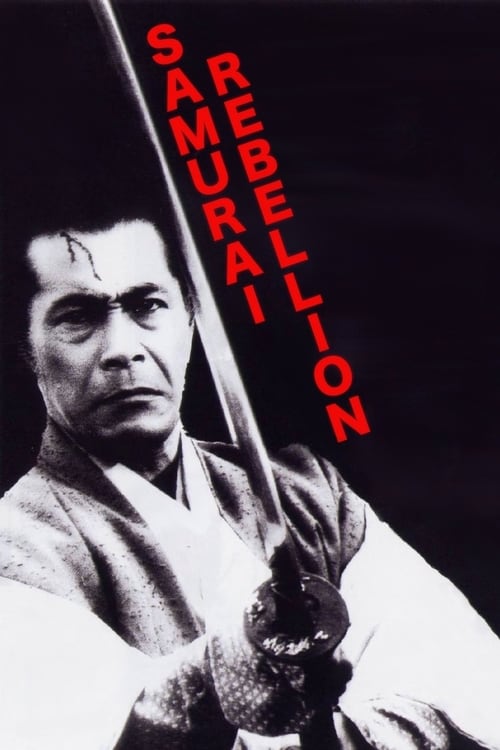
The mother of a feudal lord's only heir is kidnapped by the lord. Her husband and his samurai father must decide whether to accept the unjust decision, or risk death to rescue her.

A humble and simple Takezo abandons his life as a knight errant. He's sought as a teacher and vassal by Shogun, Japan's most powerful clan leader. He's also challenged to fight by the supremely confident and skillful Sasaki Kojiro. Takezo agrees to fight Kojiro in a year's time but rejects Shogun's patronage, choosing instead to live on the edge of a village, raising vegetables. He's followed there by Otsu and later by Akemi, both in love with him. The year ends as Takezo assists the villagers against a band of brigands. He seeks Otsu's forgiveness and accepts her love, then sets off across the water to Ganryu Island for his final contest.
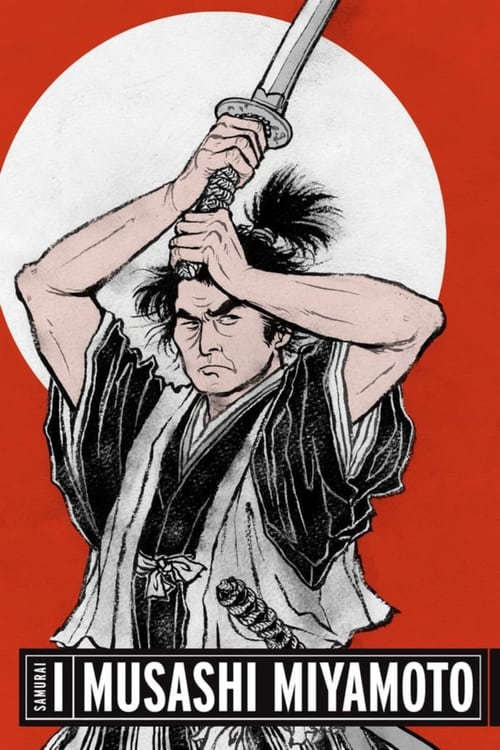
Struggling to elevate himself from his low caste in 17th century Japan, Miyamoto trains to become a mighty samurai warrior.
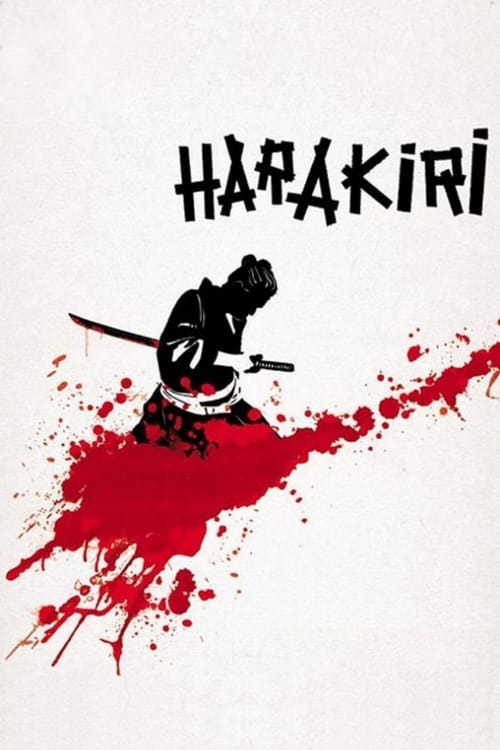
Down-on-his-luck veteran Tsugumo Hanshirō enters the courtyard of the prosperous House of Iyi. Unemployed, and with no family, he hopes to find a place to commit seppuku—and a worthy second to deliver the coup de grâce in his suicide ritual. The senior counselor for the Iyi clan questions the ronin’s resolve and integrity, suspecting Hanshirō of seeking charity rather than an honorable end. What follows is a pair of interlocking stories which lay bare the difference between honor and respect, and promises to examine the legendary foundations of the Samurai code.

Japan, 1860. The men of the Mito clan, victims of the Ansei purge, anxiously prowl around the Sakurada Gate of Edo Castle with the intention of assassinating Naosuke Ii of Hikone, tairō of the Tokugawa shogunate and responsible for their misfortune.
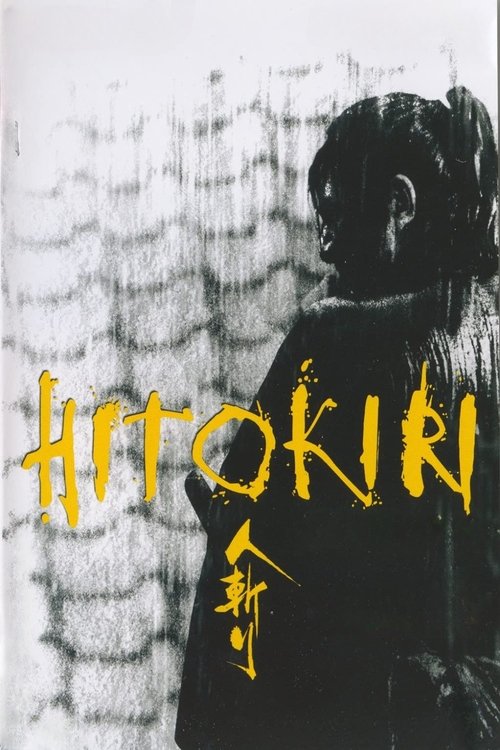
A ronin desperately seeks a way out of financial straits; he allies with the Tosa clan under the ruthless leader Takechi, who quickly takes advantage.

Against the backdrop of the Edo treasury devaluing currency and driving many into poverty, Hanzo Itami enforces the law without regard to status. He shows inadequate respect to the treasurer, who wants him dead.
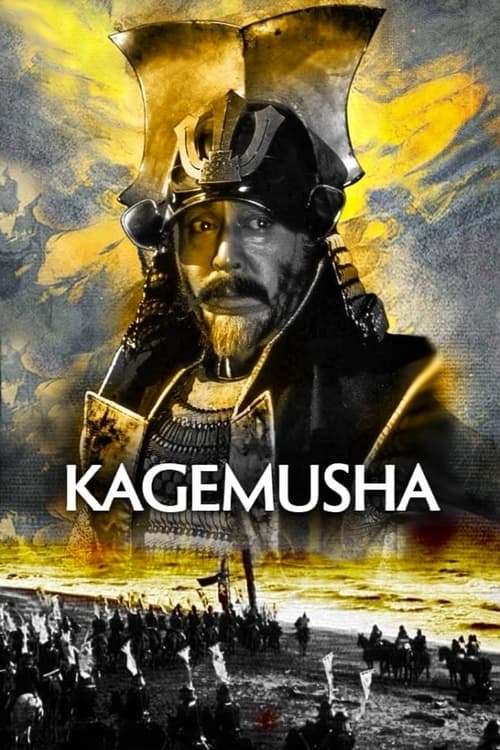
Akira Kurosawa's lauded feudal epic presents the tale of a petty thief who is recruited to impersonate Shingen, an aging warlord, in order to avoid attacks by competing clans. When Shingen dies, his generals reluctantly agree to have the impostor take over as the powerful ruler. He soon begins to appreciate life as Shingen, but his commitment to the role is tested when he must lead his troops into battle against the forces of a rival warlord.
Kanichiro Yoshimura is a Samurai and Family man who can no longer support his wife and children on the the low pay he receives from his small town clan, he is forced by the love for his family to leave for the city in search of higher pay to support them.

In a poor district of Edo lives a young samurai named Soza. He has been sent by his clan to avenge the death of his father. He isn't an accomplished swordsman however, and he prefers sharing the life of the residents, teaching the kids how to write etc. When he finally finds the man he is looking for, he will have to decide whether he follows the way of the samurai or chooses peace and reconciliation.
After their lord is tricked into committing ritual suicide, forty-seven samurai warriors await the chance to avenge their master and reclaim their honor.
A bravado period action film set at the end of Japan's feudal era in which a group of unemployed samurai are enlisted to bring down a sadistic lord and prevent him from ascending to the throne and plunging the country into a war-torn future.

When the brutal Boshin War breaks out in Japan, a group of inmates on death row unite to defend a fortress against the Imperial army.
In 1879, Kenshin and his allies face their strongest enemy yet: his former brother-in-law Enishi Yukishiro and his minions, who've vowed their revenge.
