59% Match
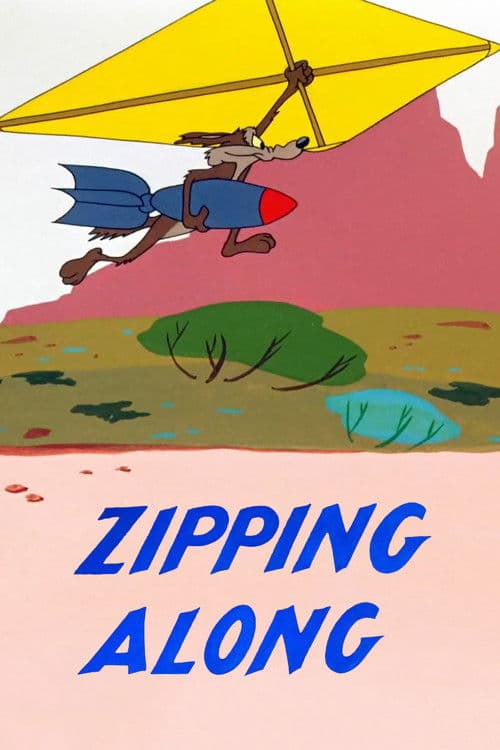
Zipping Along(1953)
Movie6.9/10
Hypnosis doesn't help the Coyote catch the Road Runner, nor do a clutch of string-controlled rifles or dozens of mousetraps, but they all manage to backfire on him, naturally.

Paul Julian
Road Runner (voice)
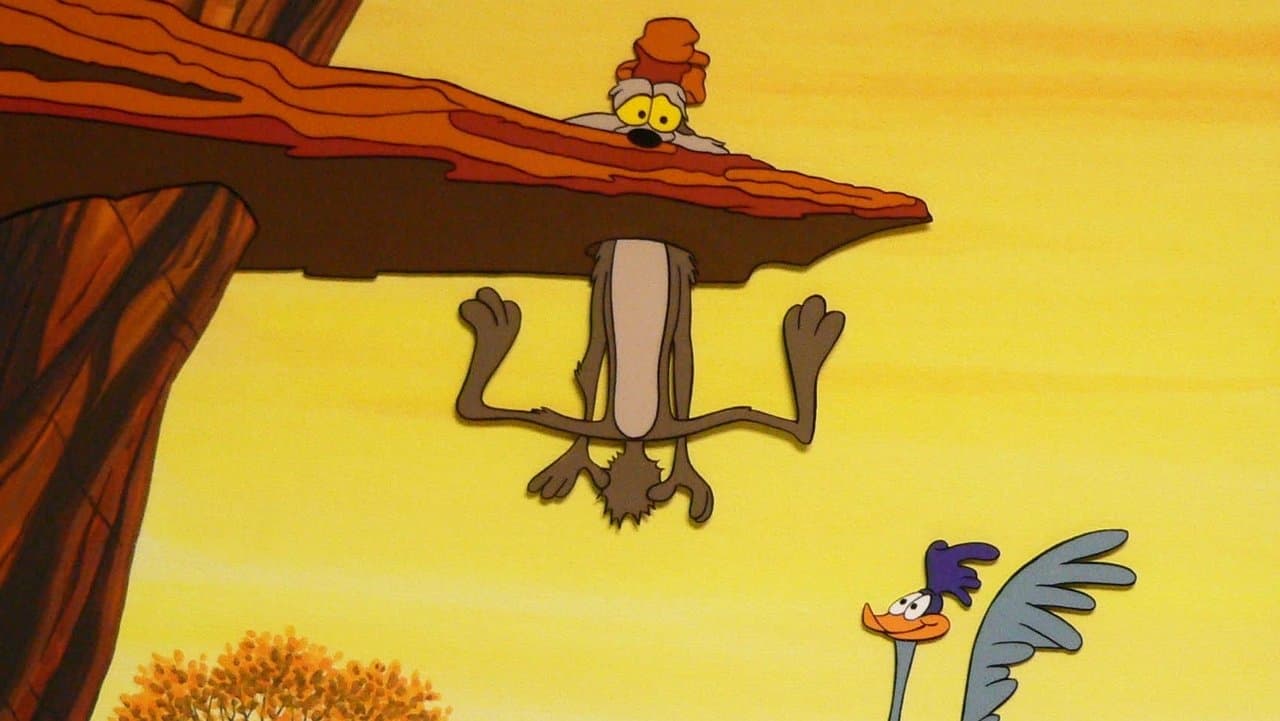
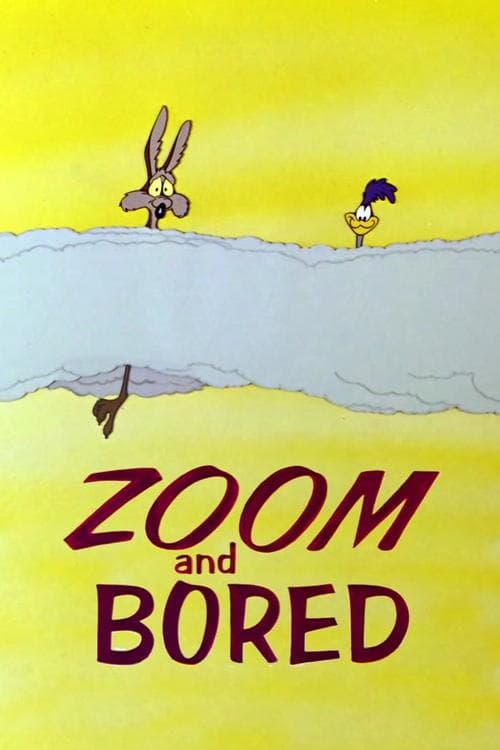
Zoom and Bored is a animation, comedy film released in 1957 exploring themes of cartoon, harpoon, catapult, short film, cartoon roadrunner, cartoon coyote. Directed by Chuck Jones, it stars Paul Julian. Wile E. Coyote uses a bottle full of bees, a brick wall, a boulder in a catapult, and a harpoon gun in his attempts to catch the Road Runner.
Discover titles like Zoom and Bored — ranked by similarity and community votes
We found 15 movies similar to Zoom and Bored
If you enjoyed Zoom and Bored, you'll love these handpicked recommendations. Each title below shares similar themes, tone, and storytelling style. Our algorithm analyzes genres, keywords, director filmography, and cast connections to find the closest matches. Whether you're looking for the same emotional depth, narrative structure, or visual style, these picks are curated to deliver the best viewing experience for fans of Zoom and Bored.
Hypnosis doesn't help the Coyote catch the Road Runner, nor do a clutch of string-controlled rifles or dozens of mousetraps, but they all manage to backfire on him, naturally.
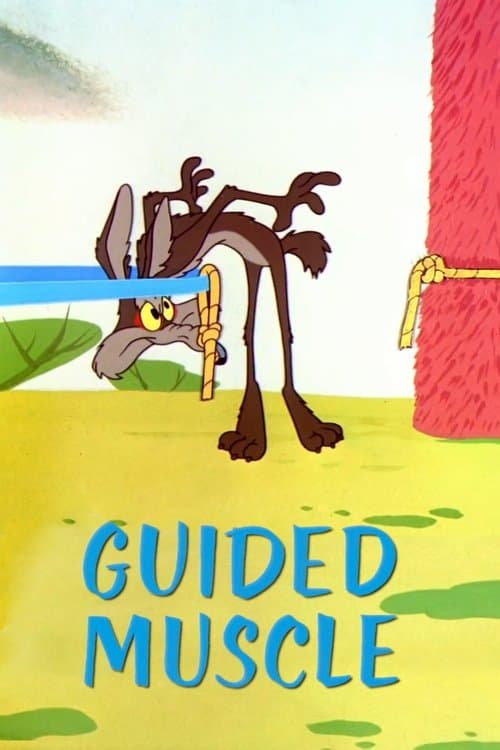
While cooking a tin can, the Coyote spots a better meal rushing by: the Road Runner.

Wile E. Coyote unsuccessfully chases the Road Runner using such contrivances as a rifle, a steel plate, a dynamite stick on an extending metal pulley, a painting of a collapsed bridge (which the Coyote falls into while Road Runner passes right through), and a jet motor.
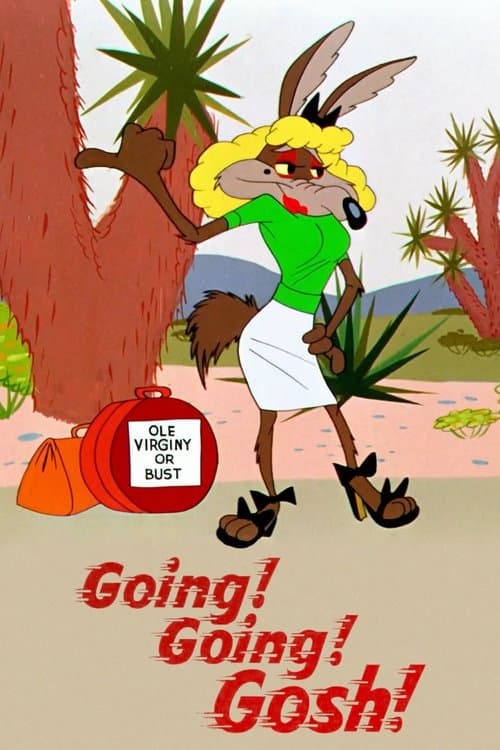
The Coyote makes various attempts to get the Road Runner with an explosive-tipped arrow, by shooting himself out of a sling shot and by covering the road with quick drying cement.
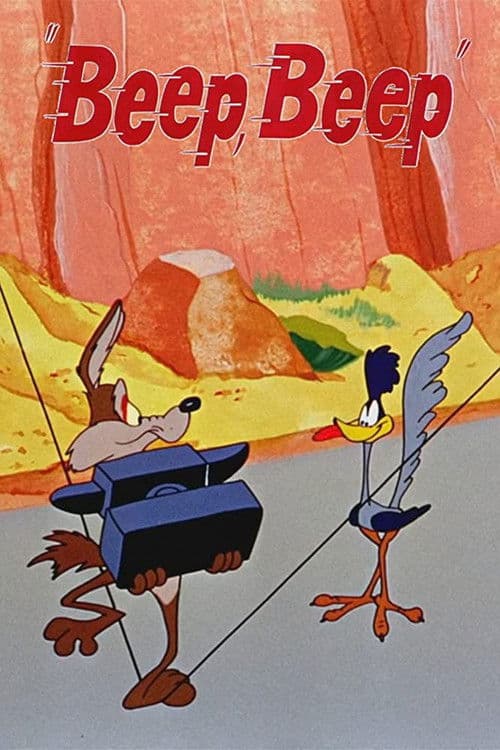
The Coyote chases the Road Runner through a maze of mine shafts.
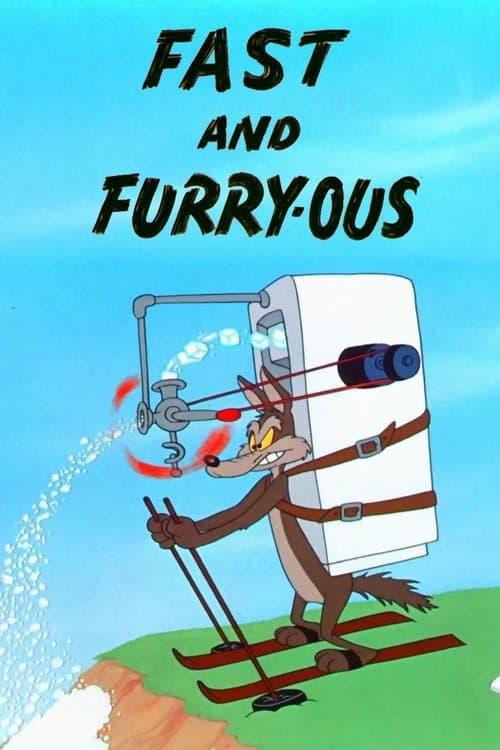
This was the debut for Wile E. Coyote and the Road Runner. It was also their only cartoon made in the 1940s. It set the template for the series, in which Wile E. Coyote (here given the ersatz Latin name Carnivorous Vulgaris) tries to catch Roadrunner (Accelleratii Incredibus) through many traps, plans and products, although in this first cartoon not all of the products are yet made by the Acme Corporation.
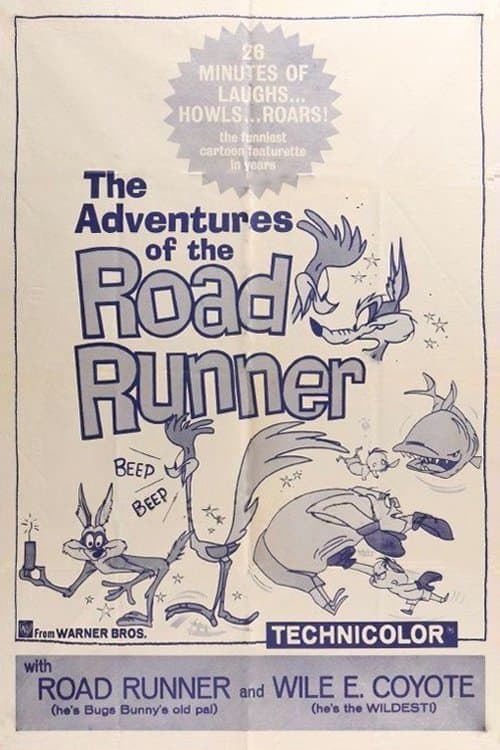
Adventures of the Road-Runner is an animated film, directed by Chuck Jones and co-directed by Maurice Noble and Tom Ray. It was the intended pilot for a TV series starring Wile E. Coyote and the Road Runner, but was never picked up until four years later when Warner Bros. Television produced The Road Runner Show for CBS from 1966 to 1968 and later on ABC from 1971 to 1973. As a result, it was split into three further shorts. The first one was To Beep or Not to Beep (1963). The other two were assembled by DePatie-Freleng Enterprises in 1965 after they took over the Looney Tunes series. The split-up shorts were titled Road Runner a Go-Go and Zip Zip Hooray!.

The short-tempered Daffy Duck must improvise madly as the backgrounds, his costumes, the soundtrack, even his physical form, shifts and changes at the whim of the animator.
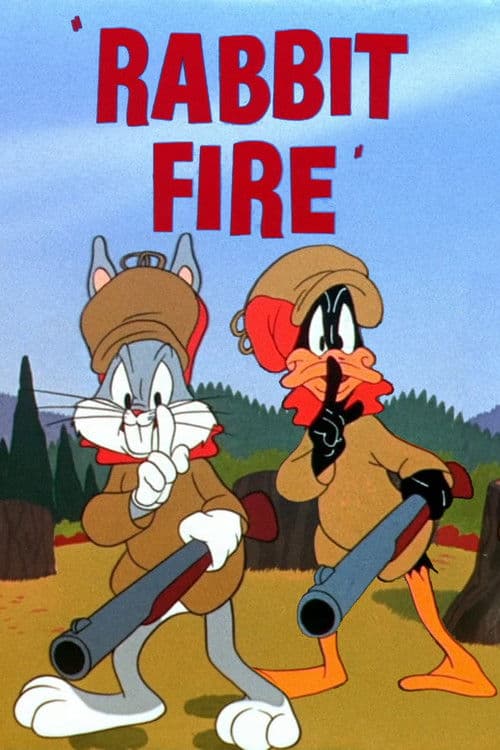
Daffy Duck and Bugs argue back and forth whether it is duck season or rabbit season. The object of their arguments is hunter Elmer Fudd.

Elmer Fudd is again hunting rabbits - only this time it's an opera. Wagner's Siegfried with Elmer as the titular hero and Bugs as Brunnhilde. They sing, they dance, they eat the scenery.
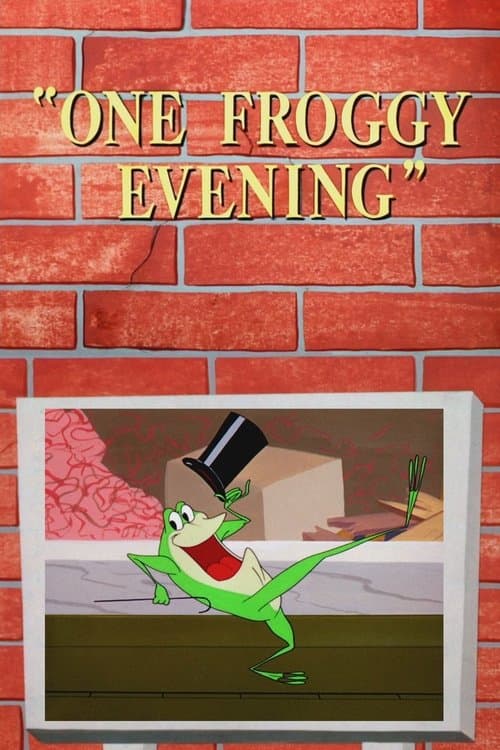
A workman finds a singing frog in the cornerstone of an old building being demolished. But when he tries to cash in on his discovery, he finds the frog will sing only for him, and just croak for the talent agent and the audience in the theater he's spent his life savings on.
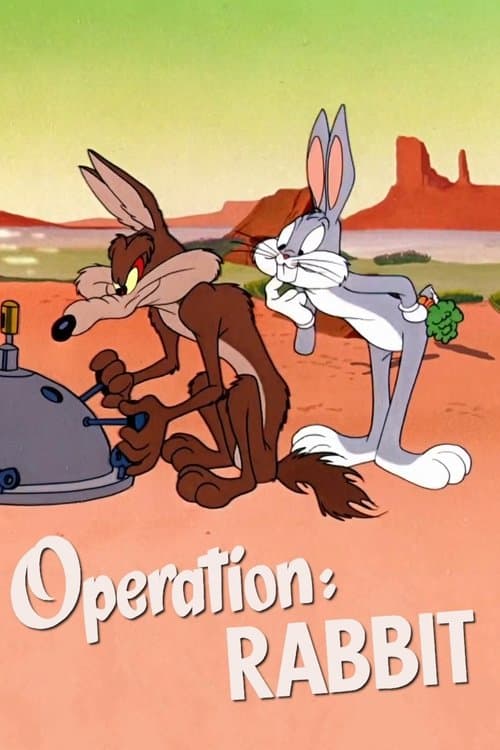
Wile E. Coyote, genius, announces to Bugs Bunny that he is going to catch him and eat him, and then employs a variety of gadgets and plans in an attempt to do so.
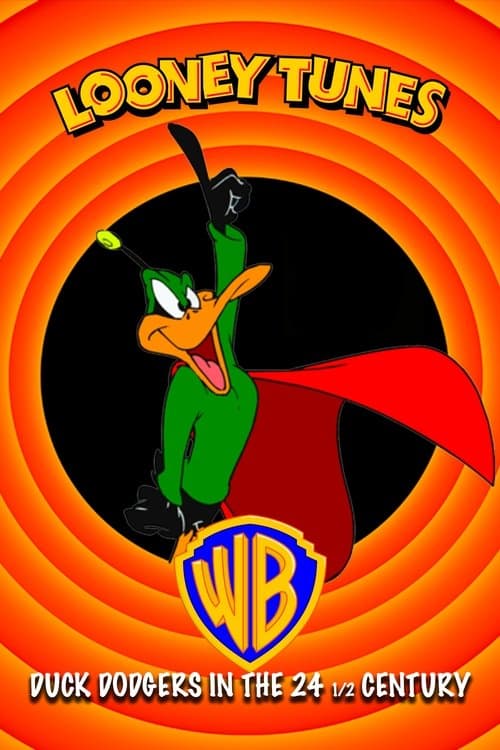
Space hero Daffy battles Marvin the Martian for control of Planet X.

Bugs Bunny single handedly takes on the “Gas-House Gorillas,” a baseball team of hulking, cigar-chomping bullies.
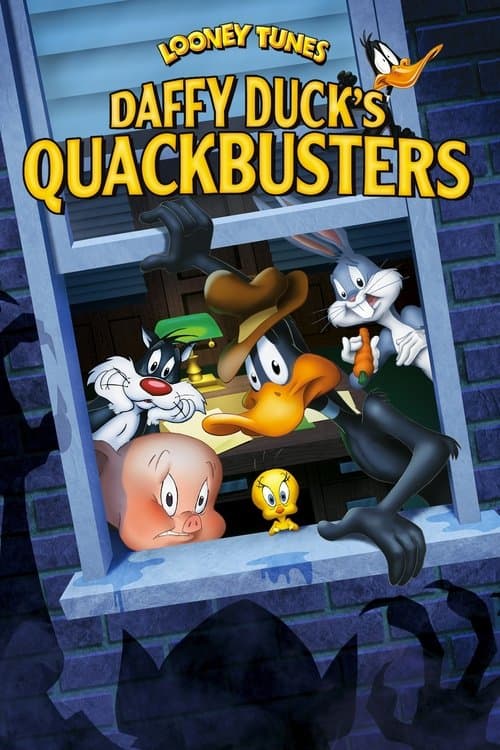
In this feature-length film combining footage from classic Warner Brothers cartoon shorts with newly animated bridging sequences, Daffy Duck, after having induced laughter in an ailing millionaire and forestalled the millionaire's death for a time (as chronicled in Daffy Dilly (1948), is the beneficiary for the deceased millionaire's assets. But the millionaire's will clearly stipulates that Daffy must use the money for the common good, by providing a service, and should Daffy think of pursuing selfish aims, the millionaire's ghost will "repossess" his millions by making them disappear from Earthly existence. Under the pretense of community service, Daffy opens an exorcism agency and employs Porky Pig, Sylvester Cat, and Bugs Bunny to track and eliminate ghosts, ghouls, and other monsters, while Daffy secretly schemes to use his learned "ghost-busting" talents to rid himself of the millionaire's nagging spirit.