“Do you know who your enemy is?”
Overview
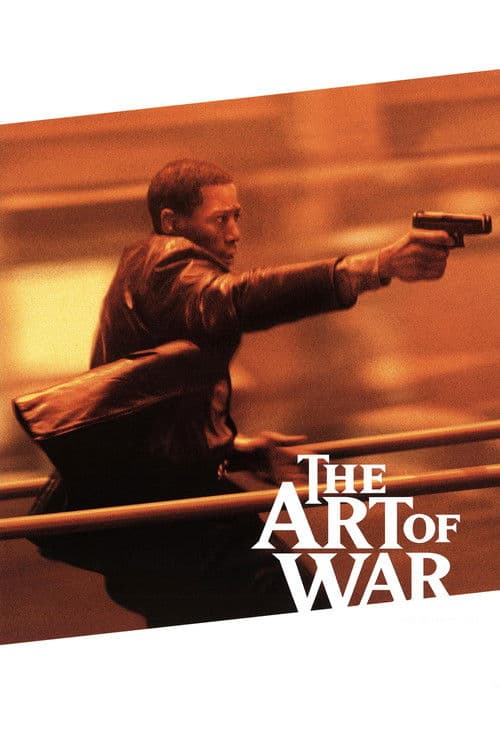
Neil Shaw is both agent and weapon - a critical line of defense for the Secretary General of the United Nations. He does not even officially exist. As an international security expert, he must uncover an international plot in which ruthless terrorists threatened to bring down the United Nations on the eve of an historic summit with China. A mysterious chain of events leads to the murder of the Chinese U.N. Ambassador, and the terrorists frame Neil Shaw, the one man they believe can stop them. Accused of the crime, Shaw goes underground — in effect, vanishing from his own life — as he tries to stop what could become World War III.
Directed by Christian Duguay
Written by Wayne Beach, Simon Barry
Produced by Nicolas Clermont
Box OfficeBudget: $40.0MRevenue: $30.2M
Themes & Keywords
new york citymartial artsassassinationambassadorchinaspyfbiinterpreterchinese womansecret agentcovert operationconspiracyhong kongone man armyunited nationssummitterrorist plotundercover operationframed for murderdiplomacyvietnamese refugeesaction herochinese triadabsurdu.n. secretary generaltrade agreementbusiness mogul
About The Art of War
The Art of War is a action, thriller, crime film released in 2000 exploring themes of new york city, martial arts, assassination, ambassador, china, spy. Directed by Christian Duguay, it stars Wesley Snipes, Donald Sutherland, Anne Archer. Neil Shaw is both agent and weapon - a critical line of defense for the Secretary General of the United Nations. He does not even officially exist. As an international security expert, he must uncover an international plot in which ruthless terrorists threatened to bring down the United Nations on the eve of an historic summit with China. A mysterious chain of events leads to the murder of the Chinese U.N. Ambassador, and the terrorists frame Neil Shaw, the one man they believe can stop them. Accused of the crime, Shaw goes underground — in effect, vanishing from his own life — as he tries to stop what could become World War III.